Nestle India To Launch Zero Refined Sugar Cerelac In Response To Criticism
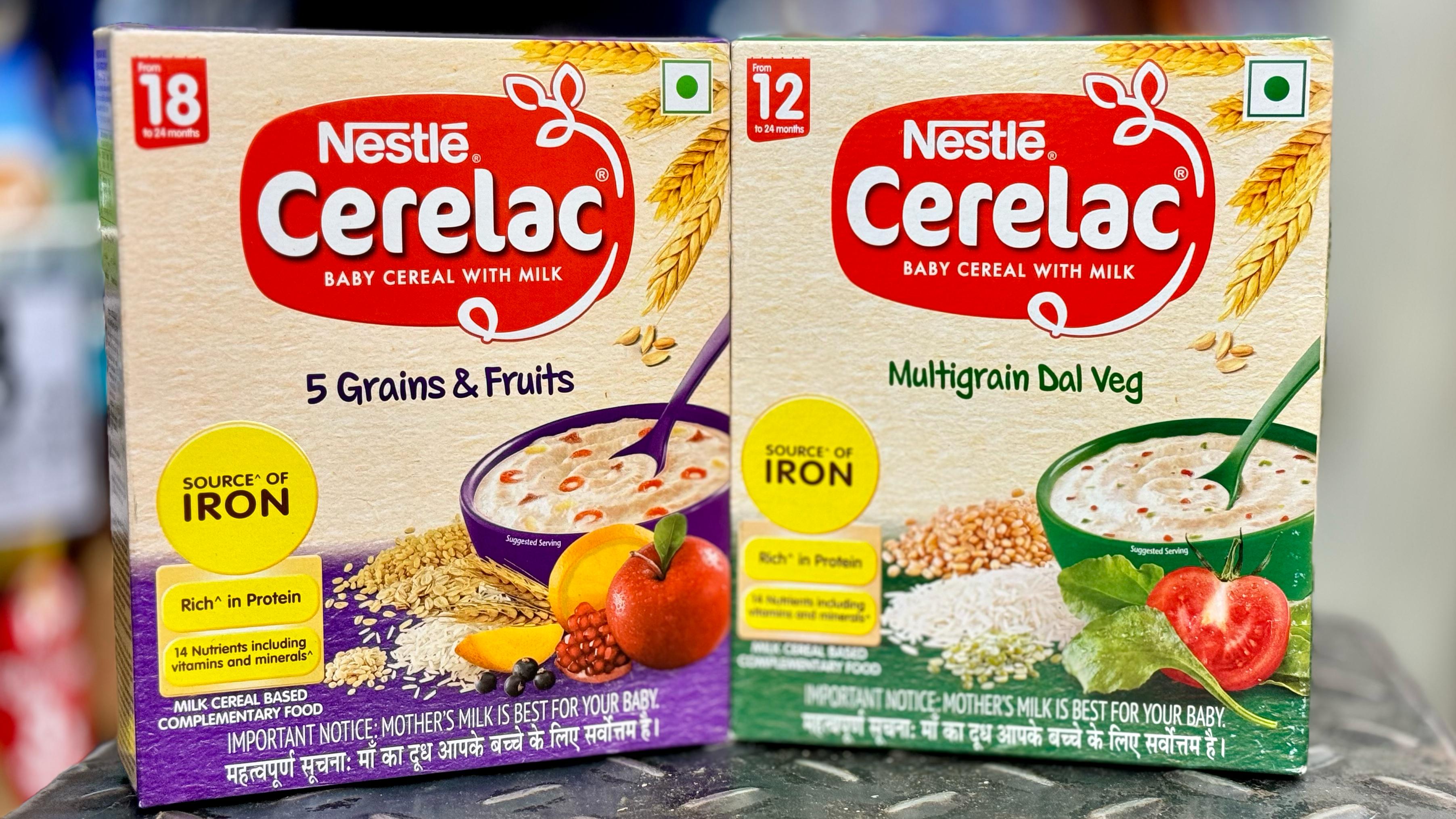
Nestle India Ltd. is set to launch new variants of Cerelac that contain zero refined sugar, following widespread criticism that its formulations contained higher sugar levels than those sold in developed countries.
The cereal-based food range offered to the country will now have a total of 21 variants, of which 14 would be refined sugar-free, the company said in an exchange filing on Thursday. Out of the 14 non-refined sugar variants, seven are expected to be rolled out in the markets by the end of November, while the other half will be available in the following weeks.
Earlier in April, a Swiss investigative agency Public Eye and International Baby Food Action Network revealed that the consumer goods giant added sugar to baby products like infant milk in poorer South Asian nations, including India, Africa, and Latin America, but not in primary markets like the US and Europe. In India, for instance, Cerelac has been found to contain an average of nearly three grams of added sugar per serving.
In response to the controversy, a spokesperson for Nestle India stated earlier that the company has reduced the total amount of added sugars in its infant cereal portfolio by 30% over the past five years, and it continues to "review" and "reformulate" products to reduce them further.
"I am delighted to inform you that we have achieved our ambition of introducing Cerelac variants with no refined sugar," said Suresh Narayanan, chairman and managing director of Nestle India, in a post-earnings statement on Thursday. "This initiative began three years ago and has culminated this year with the launch of the new Cerelac variants."
The company also notified in its filing that Cerelac has entered its 50th year in India this month. The first batch was manufactured in its flagship factory in Moga, Punjab, on Sept. 15, 1975.

-
Signature Play: The Classic Cocktail Is Dead. Or Is It?

Classic cocktails are disappearing from India's cocktail menus. But they're still being ordered, taught to bartenders and borrowed from. So, who's really having the last drink?
-
A New Samvat Wishlist: Inclusive Prosperity And Human Development
India has strengthened its economic foundations through infrastructure, digital access and enterprise. Its next growth chapter must deepen productivity, create better livelihoods and widen participation in prosperity.
-
Love, Sex Aur Dhokha: The Audacious Plot To Spy On Jensen Huang
A Taipei dinner, a Singapore chip buyer and a suspected Chinese asset: inside the alleged spy operation that got close to NVIDIA's Jensen Huang.
-
Ten Things I Learnt This Samvat
Patience can be a trap. Cheap stocks can stay cheap. Leverage can wipe you out. What did Samvat 2082 teach us? Niraj Shah writes on 10 lessons from the year gone by.
-
Talking Points This Week: Tech Nerves, FII Buying, And A Faraway Banking Shock
The global markets are not shining this Diwali. The exception in the large markets is, India.
-
Midterm Rally Lasted A Day. The Hard Reality Of A Divided US May Last Two Years | Opinion
Between a contested AI boom, a debt ceiling that arrives in 2027 and a president with every incentive to act alone, the next two years may prove more volatile than the first day's rally suggests.
-
Blue Wave Will Derail the AI Trade but Won't Dismantle the AI Era | Unhedged Position
The Democrats' sweep of the US Congress will see politics collide with economic forces both over the long and short term.
-
It's Time To Take The GST Council's Bet On Trust Global
Payment records can prove India's services exports, and clear, proportionate rules can bring foreign digital sellers into the tax net.
-
Opinion | India at 38: From Innovation Overperformer to Innovation Powerhouse
India now has 453 VC-backed deep science startups, 18 of them late-stage, after 117 percent growth since 2020. Laurus Labs, at USD 9.3 billion, is the most valuable deep science company in any middle-income economy outside China.









