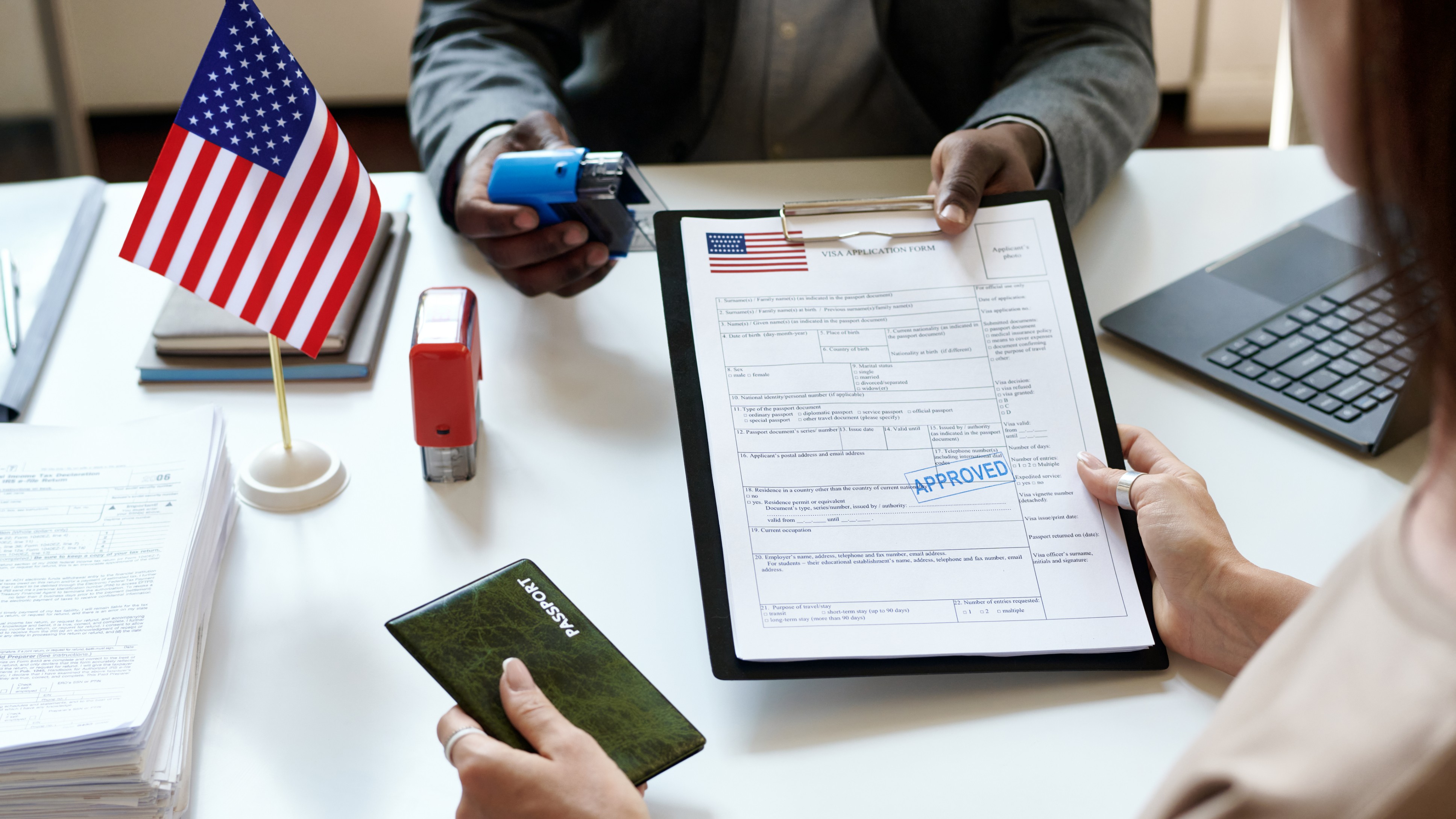
The United States is set to expand online screening for H-1B visa applicants and their H-4 dependents starting Monday, Dec. 15. The US Department of State said that this step is a part of comprehensive checks to identify individuals who may pose national security or public safety risks.
“Every visa adjudication is a national security decision. The United States must be vigilant during the visa issuance process to ensure that those applying for admission into the United States do not intend to harm Americans and our national interests,” the US administration announced in a statement on Dec. 3.
Previously applied to F, M, and J visa holders, the review now requires all applicants to adjust social media privacy settings to “public” to facilitate vetting. The F, M and J visas are used by students and visitors under exchange programmes.
Also Read | Layoffs Are Rising In Tech, But These Skills Are Helping People Unlock Better Pay
“To facilitate this vetting, all applicants for H-1B and their dependents (H-4), F, M, and J non-immigrant visas are instructed to adjust the privacy settings on all of their social media profiles to “public.” The State Department uses all available information in visa screening and vetting to identify visa applicants who are inadmissible to the United States,” the Department of State added.
The US is also exploring asking foreign tourists for their five-year social media history before entry into the country.
Donald Trump, Bill Clinton, Prince Andrew Photos From Epstein's Estate Released; White House ReactsWhat Exactly The Trump Administration Is Looking For?
Under this expanded vetting, all visa applicants are required to credibly demonstrate their eligibility for the US visa. They will need to show that they meet requirements and intend to engage only in activities consistent with the terms of their admission, according to the US Department of State.
However, as per the revised proposal, applicants will not be required to provide their social media login credentials or passwords. Instead, the US authorities will review only publicly accessible information on their social media profiles.
The move is most likely targeted at identifying people who have posted content that can be deemed a “security threat” for the US. While the US government has not exactly specified what they are looking for, the measure is likely aimed at identifying content with expressions of anti-Semitic views, or commentary on US policies and socio-political issues, according to the BBC
The officers will also be looking at content with support for designated foreign terrorists and other threats to national security. Critics argue that the measure may discourage visa applicants from exercising free speech.
Essential Business Intelligence, Sharp Market Insights, Practical Personal Finance Advice, Daily Fuel, Gold and Silver Prices and Latest Stories — On NDTV Profit.