India Cautions IMF On Pakistan Bailout, Flags Potential Misuse Of Funds For Terror
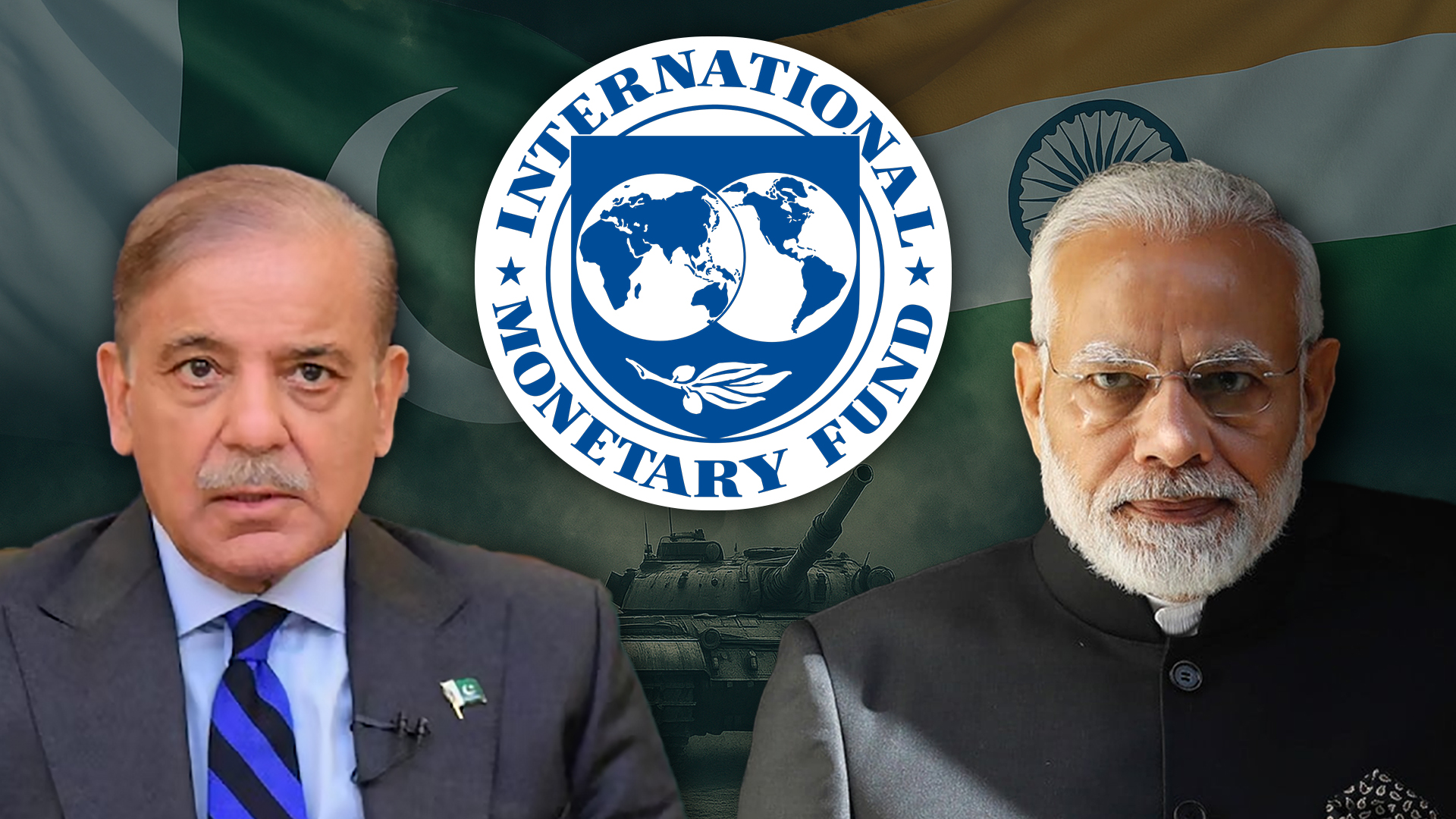
India on Friday questioned the efficacy of bailout programs for Pakistan at a meeting of the International Monetary Fund, flagging the potential misuse of funds for military and state-sponsored terrorist purposes.
The multilateral lender reviewed the Extended Fund Facility lending program worth $1 billion and also considered a fresh Resilience and Sustainability Facility lending program worth $1.3 billion for Pakistan.
India abstained from the vote on the bailout proposal and the agency took note of New Delhi's objections.
"As an active and responsible member country, India raised concerns over the efficacy of IMF programs in case of Pakistan given its poor track record, and also on the possibility of misuse of debt financing funds for state sponsored cross border terrorism," the government said in a statement.
India highlighted Islamabad's poor track record in implementation and adherence to the IMF's program conditions and thereby calling into question the effectiveness of repeated bailouts.
"In the 35 years since 1989, Pakistan has had disbursements from the IMF in 28 years. In the last 5 years since 2019, there have been 4 IMF programs. Had the previous programs succeeded in putting in place a sound macroeconomic policy environment, Pakistan would not have approached the Fund for yet another bailout program," the statement said.
Moreover, as a result of repeated bailouts, Pakistan's high debt burden paradoxically makes it a too big to fail debtor for the IMF, India argued.
The country warned that rewarding continued sponsorship of cross-border terrorism "sends a dangerous message to the global community, exposes funding agencies and donors to reputational risks, and makes a mockery of global values".
While the concern that fungible inflows from international financial institutions, like IMF, could be misused for military and state sponsored cross border terrorist purposes resonated with several member countries, the IMF response is circumscribed by procedural and technical formalities, the statement said.
Military-Linked Crisis
India highlighted Pakistani military's "deeply entrenched interference" in economic affairs that risks policy slippages and reversal of IMF-mandated reforms.
"Even when a civilian government is in power now, the army continues to play an outsized role in domestic politics and extends its tentacles deep into the economy," the statement said, alluding to the fact that Pakistan has been under direct or indirect military control for most of its existence.
"The situation has not changed for the better; rather the Pakistan Army now plays a leading role in the Special Investment Facilitation Council of Pakistan," it said.
This is a serious gap highlighting the urgent need to ensure that moral values are given appropriate consideration in the procedures followed by global financial institutions.

-
One Battle After Another: India's Corporate Dynasties Battle For Control

2026 could go down as Corporate India's year of succession wars, governance battles and family fault lines.
-
Rs 50-Lakh Gold In Bank Locker, Rs 3 Lakh Of Protection: The Gap Most Families Don't Know About
The RBI ties a bank's liability to the annual locker rent and families who want to insure their jewellery face a separate question about how to prove what was inside.
-
The More Food Turns Into Fuel, The Harder It Is To Read Agricultural Markets | The Reason Why
A policy designed to reduce dependence on imported fuel can create new pressures elsewhere in the food economy.
-
Your iPhone Costs 12 Grams Of Gold, A Car About 100. What Does Your Life Weigh?
Measured in rupees, almost everything looks more expensive than it did a generation ago. Measured in grams of gold, a lot of it has become cheaper.
-
Gold Is Rs 22,000 Cheaper Than A Month Ago. Should You Buy Amid The Wedding Season?
Gold's potential slide to $3,500 could save around Rs 4,700 per 10 grams, but a soft inflation print could just as easily push prices back up. One way to split the risk is to buy in parts, some now and the rest after the Fed's Dec. 9 decision.
-
AI Agents Are Gaining Power. Who Governs Them?
Artificial intelligence agents promise to transform productivity by moving machines from assisting decisions to executing them. But as organisations delegate greater authority to these AI-agents, they must first establish who controls that authority and who remains accountable when things go wrong.
-
Why Swapping Your Old Gold Can Trigger A Rs 5 Lakh Tax Bill, And How You Can Avoid It Legally
Swapping old gold for new is taxed as a sale and a fresh purchase. Getting your own gold remade can cut most of that bill, though it has its own costs.
-
The AI Trade is Done. The Real Opportunity for Investors Starts in 2027 | Unhedged Position
As pureplay AI stocks plunge and circular, capex-led financing unwinds, 2027 is set to be a year of reckoning for AI companies. Yet the bust clears the way for a better opportunity for investors in 2027 -- shifting the spotlight from AI builders to the companies using AI.
-
Leadership As Mission: Why The Age Of AI Demands More Human Leadership
Debjani Ghosh examines how AI is changing leadership, arguing that its success must be measured by its impact on people and the accountability of those guiding its use.
-
We May Need Another Tukaram Mundhe To Fight Air Pollution | The Reason Why
Developers may install basic measures such as sprinklers and green nets, resume work, and continue violating rules when this equipment stops working.









