OpenAI Clarifies ChatGPT Policy: No Change In Legal Or Medical Advice Rules
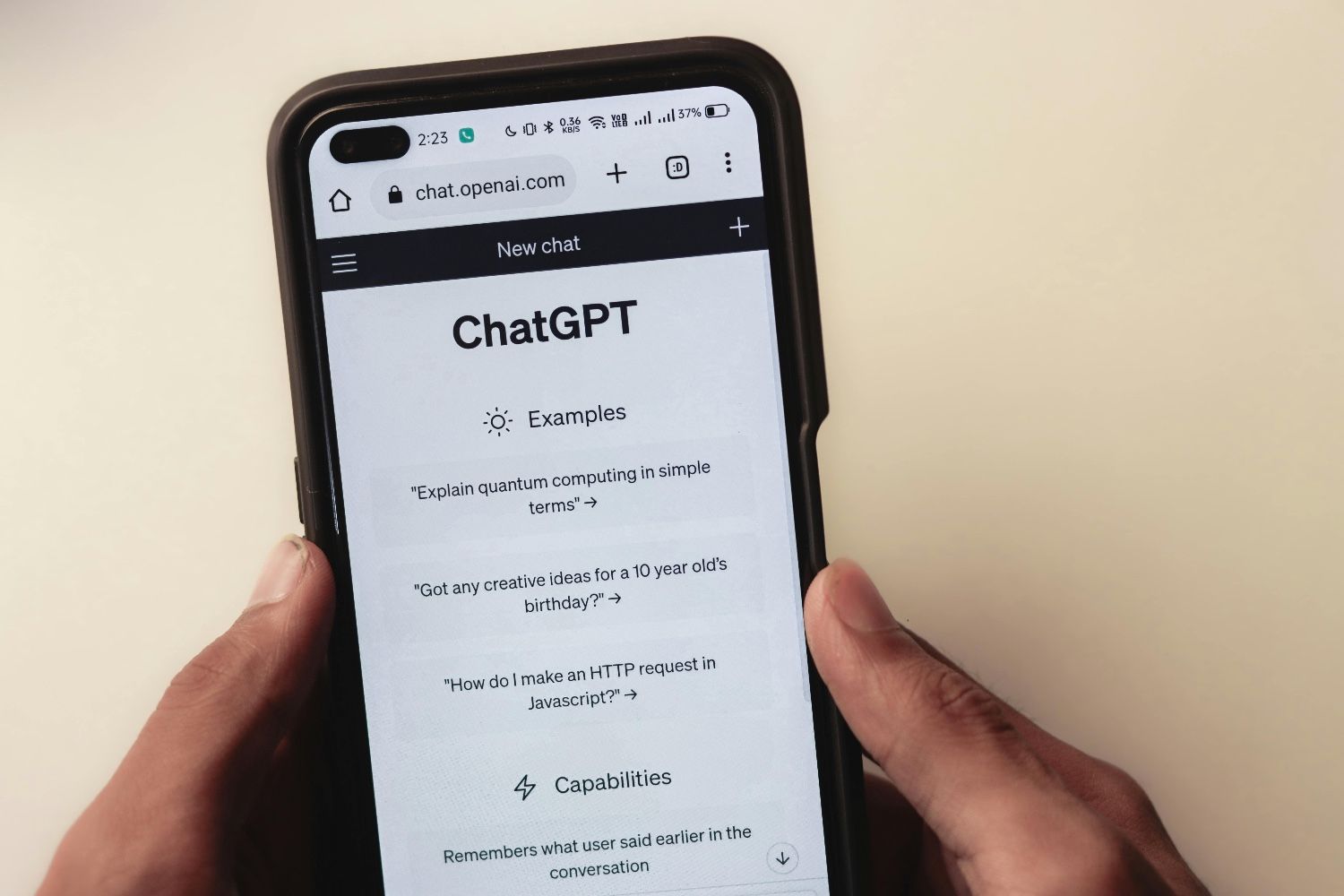
OpenAI has confirmed that ChatGPT's behavior remains unchanged following widespread social media claims that the chatbot would no longer provide legal or medical guidance. The confusion stemmed from a recent update to OpenAI's usage policy on Oct. 29, 2025, which consolidated existing rules into a unified framework.
On Oct. 29, Open AI in a blog post wrote, “We aim for our tools to be used safely and responsibly, while maximizing your control over how you use them”
It further added that, “We work to make our models safer and more useful, by training them to refuse harmful instructions and reduce their tendency to produce harmful content.”
Karan Singhal, OpenAI's head of health AI, wrote on X that the claims about updates are, “Not true. Despite speculation, this is not a new change to our terms. Model behavior remains unchanged. ChatGPT has never been a substitute for professional advice, but it will continue to be a great resource to help people understand legal and health information
As per The Verge, Singhal replied to a now-deleted post from the betting platform Kalshi that had claimed “JUST IN: ChatGPT will no longer provide health or legal advice.”
The new policy update came Oct 29. It listed that OpenAI follows applicable laws—for example, do not:
Compromise the privacy of others
Engage in regulated activity without complying with applicable regulations
Promote or engage in any illegal activity, including the exploitation or harm of children and the development or distribution of illegal substances, goods, or services
Use subliminal, manipulative, or deceptive techniques that distort a person's behavior so that they are unable to make informed decisions in a way that is likely to cause harm
Exploit any vulnerabilities related to age, disability, or socio-economic circumstances
Create or expand facial recognition databases without consent
Conduct real-time remote biometric identification in public spaces for law enforcement purposes
Evaluate or classify individuals based on their social behavior or personal traits (including social scoring or predictive profiling) leading to detrimental or unfavorable treatment
Assess or predict the risk of an individual committing a criminal offense based solely on their personal traits or on profiling
Infer an individual's emotions in the workplace and educational settings, except when necessary for medical or safety reasons
Categorise individuals based on their biometric data to deduce or infer sensitive attributes such as their race, political opinions, religious beliefs, or sexual orientation

-
High US Salaries, No Green Card Certainty: The Financial Calculation Facing Indian H-1B Families

The suspension of PERM processing at eight technology employers does not cancel existing H-1B visas. What it does is force a question many Indian families have been avoiding: is the US salary worth tying your career and family plans to one employer?
-
Swiggy vs Eternal: Food Delivery's Two Rivals Are No Longer In The Same Race
Eternal is building a private AI assistant, dark.ai. Swiggy is still working out how to make Instamart pay, with an operating loss of Rs 895 crore in the July-September quarter while Blinkit stayed profitable.
-
Where You Live Shapes How You Get To Work | The Reason Why
Two-wheelers are the most popular way to get to work in India, accounting for nearly 43% of workplace commutes.
-
Unhedged Position: Can India See An Indonesia-Style Time Correction?
The Nifty is trading below levels it first clocked in 2024. Is there, then, as I have suggested in the headline, potential that the current time correction drags on painfully for the next three-five, even ten years?
-
Navigating Friction And Energy Realities: An Analysis Of Marco Rubio's October Visit To India
Occurring at a critical juncture marked by stalled trade negotiations and escalating geopolitical pressures over global energy supplies, the visit offers a profound window into modern US-India relations.
-
India Exports Capital. Why Not Export Trusteeship?
The big question, then, is whether India can build an institution that global borrowers, investors, banks, and lawyers can trust, even without an Indian connection.
-
France's Economy & Politics Are In Crisis | The Reason Why
Let's look at how the French economy and politics evolved under Nicolas Sarkozy, Franois Hollande and Emmanuel Macron.
-
You May Inherit The Business. You Must Earn Its Credibility.
Succession tests the founder's ability to share authority as much as it tests the next generation's readiness to assume it.
-
Signing Deals Is One Thing; Making Them Work Is Another | The Week In Whys
Sometimes, things don't turn out as planned. Indian companies have lost some bids to rivals, some projects won't produce until 2030.
-
FOMC Wall, PERM Suspension, Hospital Stocks | Talking Points This Week
A PERM suspension would directly affect green-card sponsorship rather than H-1B visas, so the near-term earnings impact could remain relatively limited. The key question is whether this marks a new phase in US scrutiny of Indian IT.









