- Microsoft's AI chief Mustafa Suleyman aims to develop superintelligence aligned with human interests
- He pledged to stop AI development if it poses a threat to people
- Microsoft's partnership with OpenAI limited its AI capabilities until an October deal
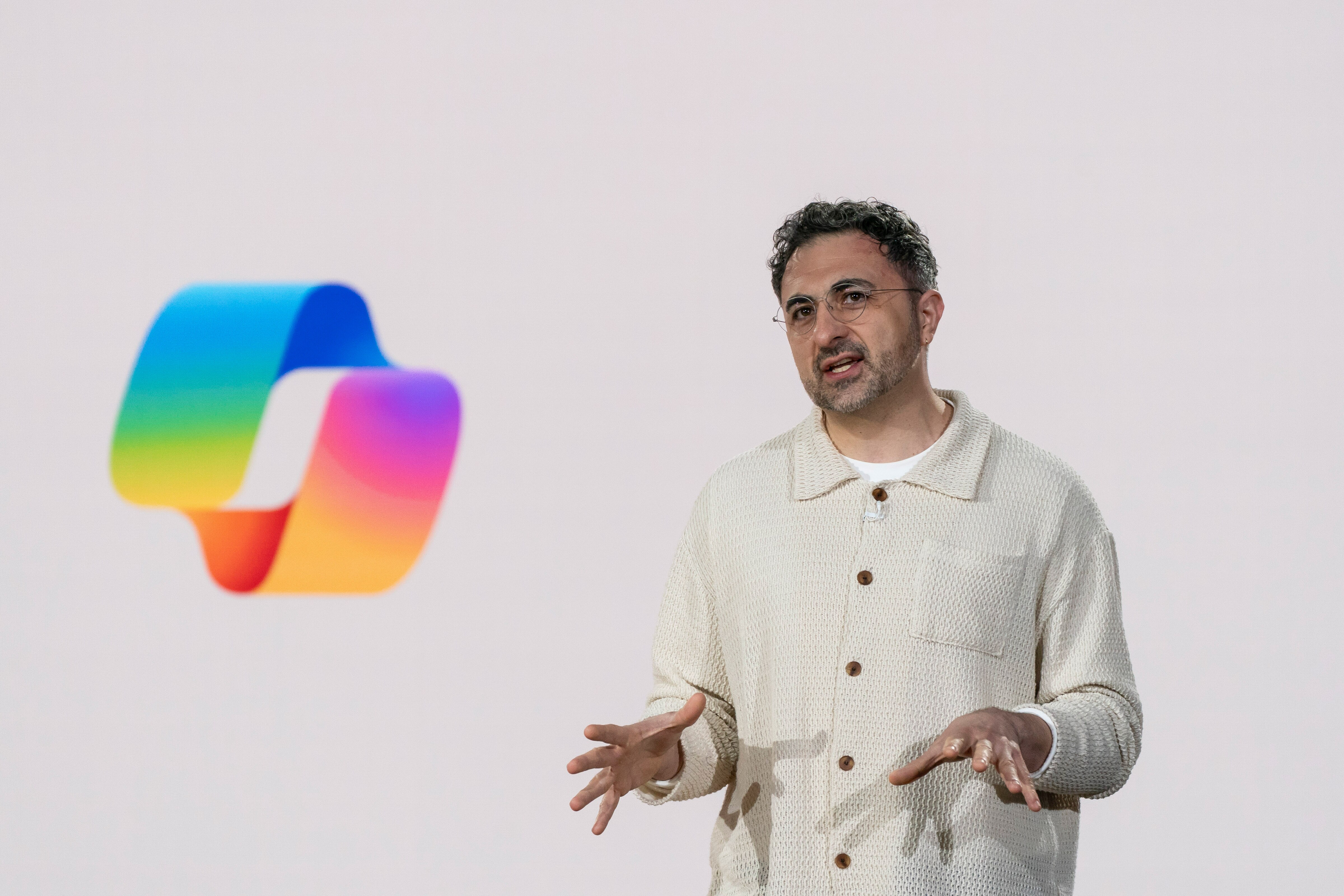
Microsoft Corp. consumer artificial intelligence chief Mustafa Suleyman is bent on creating a super intelligence that's “aligned with human interests” and pledged to halt such work if it posed a threat to people.
“We won't continue to develop a system that has the potential to run away from us,” Suleyman said in an interview on Bloomberg's The Mishal Husain Show, adding that such a view should be an obvious, universal sentiment. “And yet, I think it's kind of a novel position in the industry at the moment.”
Suleyman joined Microsoft early last year after the company acquired the intellectual property and much of the staff behind his startup, Inflection AI. Microsoft, which had previously relied on OpenAI for most of its AI tools, charged Suleyman with building products capable of rivaling the industry's best.
But until an October deal that reshaped Microsoft's relationship with OpenAI, Suleyman's work was limited by contractual terms that prohibited the company from pursuing artificial general intelligence – generally defined as a system as capable as humans – or superintelligence, which would exceed human capacity. Microsoft, Suleyman said, had essentially forfeited those rights in exchange for access to OpenAI's latest products, one element of a partnership that had the company building and fitting out data centers on OpenAI's behalf for years.
The Mishal Husain Show is a new podcast from Bloomberg Weekend. The full conversation with Mustafa Suleyman will be published on Dec. 12. Subscribe here.
“They now have deals with SoftBank and many others – Oracle – to build more data centers than Microsoft wanted to build for them,” Suleyman said of OpenAI. “And so, in return, we then have the right to go develop our own AI.”
“We've still been a general-purpose AI development shop over the last 18 months, but now we can work on some techniques and methodologies that have the potential to exceed human performance at all tasks,” he said. “And so, it is a shift for us.”
Suleyman announced the superintelligence push last month in a blog post that outlined his and Microsoft's view that such systems will only be successful if they are designed to serve humanity. Many of the industry's biggest players, including OpenAI, whose nonprofit structure was built to foster AI for the benefit of humanity, and Anthropic PBC, founded by OpenAI alumni determined to build AI that was safer still, tout similar goals. Suleyman sees Microsoft's aim as unique.
He stopped short of calling out any rivals. “Everybody has to decide what they stand for and how they operate, and I don't want to judge how they're operating right now,” he said. “I don't see any evidence of large-scale mass harm.”
For now, the superintelligence discussion is academic. AI systems like ChatGPT can interact with humans in ways computers a decade ago could not. But the technology remains a work in progress, both for consumers hoping for an AI assistant to do everything from booking concert ticket to creating holiday shopping lists, and corporate executives betting such tools will boost workers' productivity.
Suleyman said the agentic features of Microsoft's Copilot consumer assistant don't “always get it right” and remain in development.
“We're still experimenting with it,” he said. “But when it does work, it is the most magical thing you've ever seen.”
Essential Business Intelligence, Continuous LIVE TV, Sharp Market Insights, Practical Personal Finance Advice and Latest Stories — On NDTV Profit.