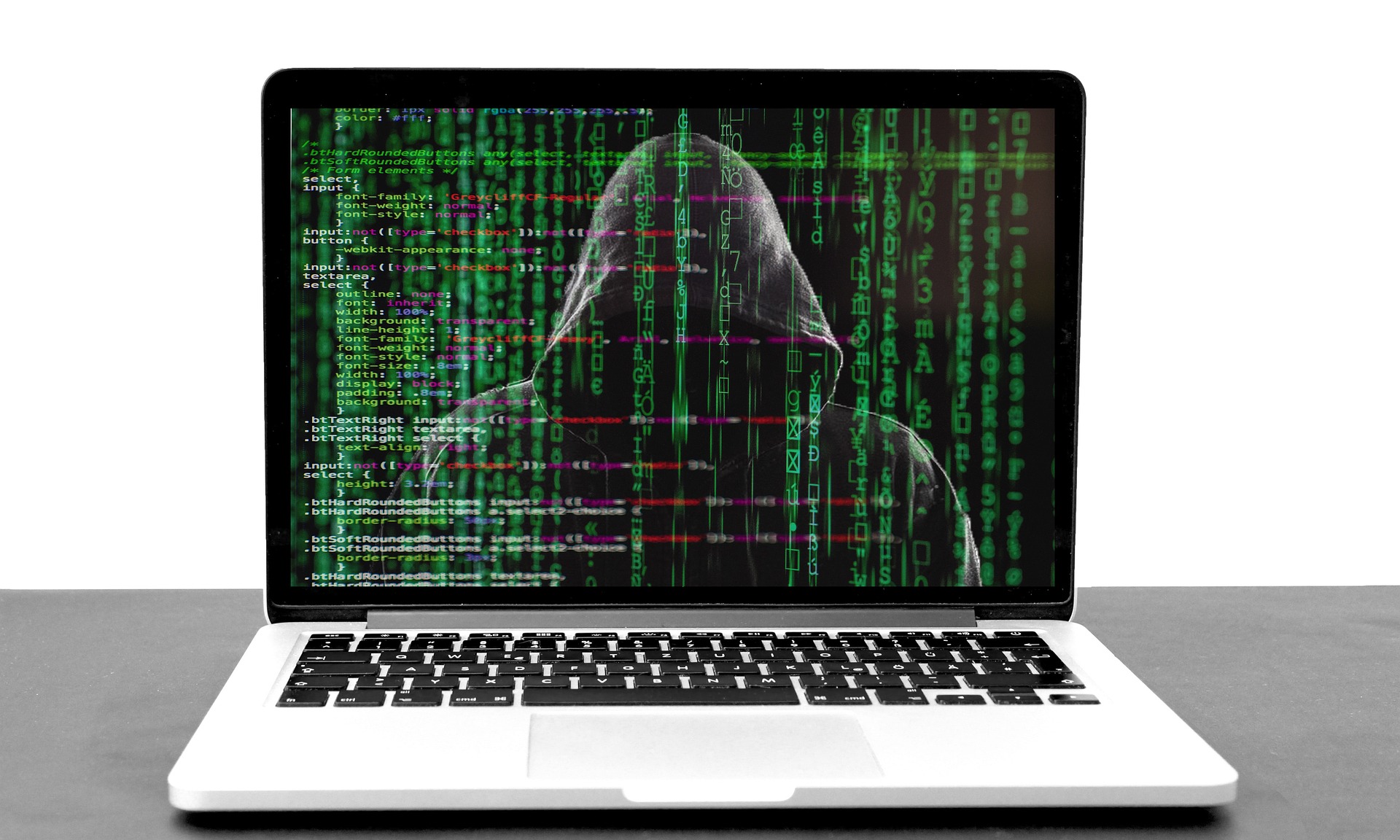
- Cybercriminals use fake guides to trick macOS users into downloading malware via paid Google ads
- Attackers exploit ChatGPT and Grok to deliver malicious instructions for installing the Atlas browser
- AMOS malware gains root access to steal data, passwords, crypto wallets, and record keystrokes
Cybercriminals are creating fake troubleshooting guides to mislead macOS users into downloading malicious software on their systems, according to reports by Kaspersky and Huntress.
Hackers have begun using paid Google ads to simulate tech support conversations through ChatGPT and Grok, luring macOS users into installing malware designed to harvest their data.
It represents an evolution of the ClickFix attack, long known for tricking victims via fake CAPTCHA or error messages. This time, the malicious directions are hidden within seemingly helpful guides on popular AI platforms.
Also Read | Layoffs Are Rising In Tech, But These Skills Are Helping People Unlock Better Pay
Kaspersky has uncovered a campaign targeting macOS users to install the Atlas browser. Searching for “chatgpt atlas” often brings up a sponsored link on ChatGPT.com titled “ChatGPT™ Atlas for macOS – Download ChatGPT Atlas for Mac.”
Clicking the link takes users to the legitimate ChatGPT website, where they are presented with step-by-step instructions that claim to show how to install Atlas.
Government Prefers Existing Laws Over New Regulations To Govern AI: MeitY SecretaryIn reality, the page reproduces a publicly shareable chat between an unnamed user and the AI, which serves as a step-by-step guide for installing malware. Users are instructed to paste and run a command in the Mac Terminal and approve all permissions, effectively giving the AMOS (Atomic macOS Stealer) infostealer full access.
Security firm Huntress discovered that both ChatGPT and Grok could be manipulated to deliver harmful search results, even when users feed routine troubleshooting searches like “how to delete system data on Mac” or “clear disk space on macOS.”
AMOS is a macOS-targeting malware that escalates to root-level access, enabling attackers to run commands, record keystrokes, and deploy further malicious payloads. According to BleepingComputer, it also steals cryptocurrency wallets, browser data, including cookies, saved passwords, and autofill entries, Keychain credentials and local files.
If you are seeking solutions to tech issues, scrutinise any instructions you find online. Threat actors often disguise ClickFix attacks as legitimate advice via paid search listings and social media. Never execute commands you don't fully comprehend, especially those requesting Terminal or PowerShell access, as these are commonly used to deploy malware.
It is possible to counter the attack by starting a fresh ChatGPT conversation and asking whether the instructions are safe. Kaspersky reports that the AI will correctly warn users that they are not safe.
Photos In Apple iPhones Are Turning Red This Christmas! Here's How To Fix ThemEssential Business Intelligence, Sharp Market Insights, Practical Personal Finance Advice, Daily Fuel, Gold and Silver Prices and Latest Stories — On NDTV Profit.