- OpenAI survey finds AI saves workers 40 to 60 minutes daily on professional tasks
- Data science, engineering, and accounting roles report highest time savings using AI
- 75% of employees say AI improves speed or quality of their work output
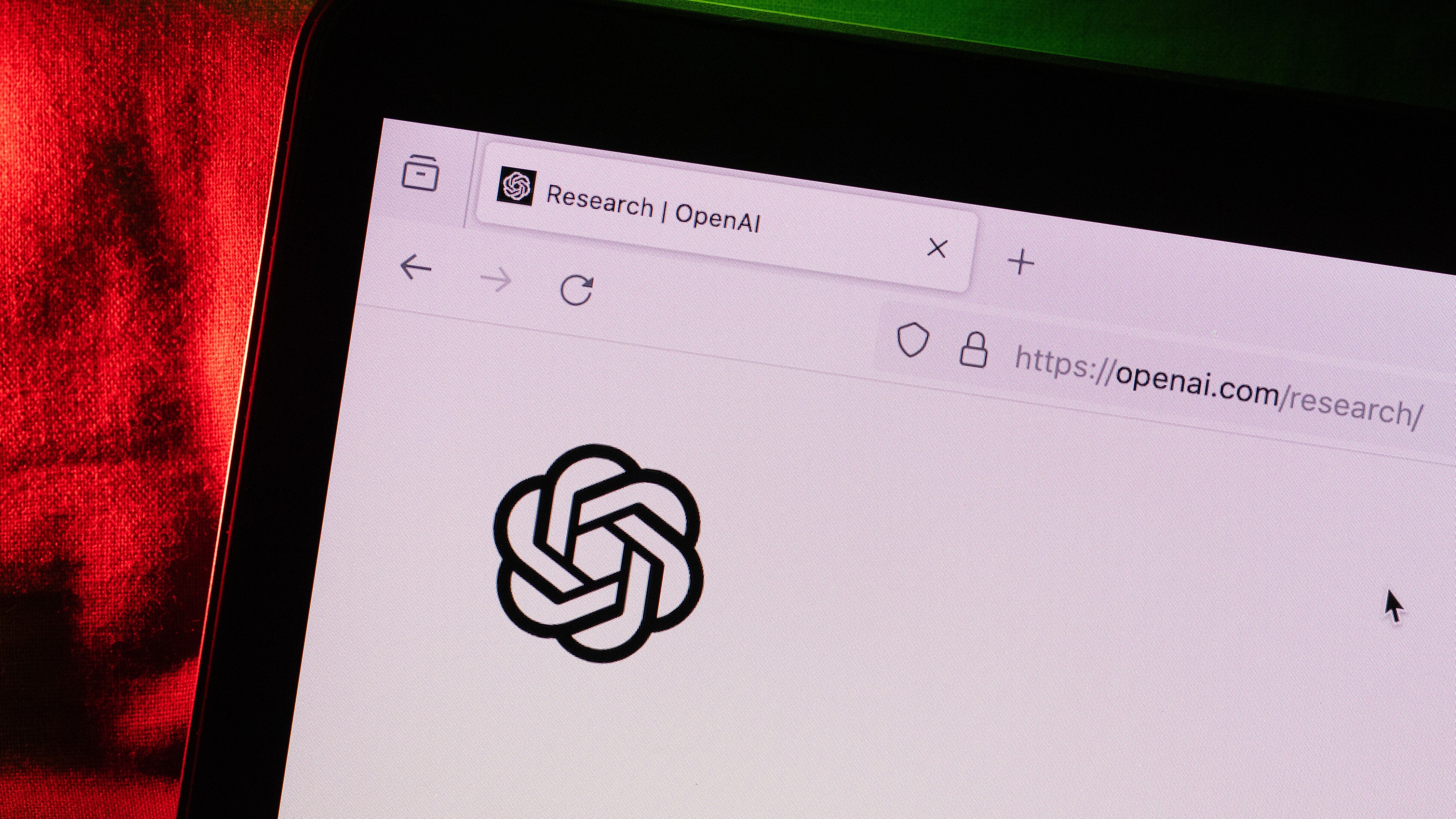
OpenAI's artificial intelligence products are saving workers an average of about 40 to 60 minutes a day on professional tasks, according to a large survey conducted by the ChatGPT maker amid lingering skepticism of the economic benefits of AI.
Employees in industries such as data science, engineering and communications, as well as certain roles like accounting, reported some of the most time saved from using AI, according to OpenAI's survey of 9,000 workers across 100 companies.
Three quarters of employees said that using AI at work has improved either the speed or quality of their output, the survey found. Three years into the AI boom, doubts persist about whether and how much AI will boost work productivity.
In August, researchers at the Massachusetts Institute of Technology found that the vast majority of organizations saw zero return on their investment in generative AI initiatives. The next month, researchers at Harvard and Stanford universities determined that professionals are using AI to create “workslop,” which they define as “AI generated work content that masquerades as good work, but lacks the substance to meaningfully advance a given task.”
Those findings have added to concerns about a possible bubble as tech firms race to spend billions on a technology with an unknown payoff. OpenAI and other prominent artificial intelligence companies have since pushed out their own research and evaluations to showcase the technology's economic impact.
Last week, OpenAI rival Anthropic released a report estimating that its AI tool, Claude, cut down the time it takes for people to commit work tasks by 80%, among other findings. The results were based on an analysis of 100,000 user conversations. These reports are not peer reviewed.
“There's a lot of studies flying around saying this, that and the other thing,” said OpenAI Chief Operating Officer Brad Lightcap. “They never quite line up with what we see in practice.” OpenAI is finding, he said, that “enterprise adoption is actually accelerating, basically just as quickly as consumer — in some places, more quickly than consumer.”
OpenAI now has more than 1 million businesses paying to use its enterprise AI products. There are now 7 million paid seats, or employees, for ChatGPT workplace products, according to the report.
The company surveyed workers three to four weeks after they first started using the tools on the job. Heavily engaged users who took advantage of the most advanced AI models and turned to a combination of tools were found to get the most value from them.
Some professionals are also using AI to perform new types of tasks, according to the report. For example, employees who worked in engineering, IT and research, but not in technical roles, showed a 36% increase in coding-related messages over the past six months.
“Three out of four people are now saying, ‘I can do things I couldn't do before,'” said Ronnie Chatterji, OpenAI's chief economist. “This is often missed in the conversation about AI and work.”
Essential Business Intelligence, Sharp Market Insights, Practical Personal Finance Advice, Daily Fuel, Gold and Silver Prices and Latest Stories — On NDTV Profit.