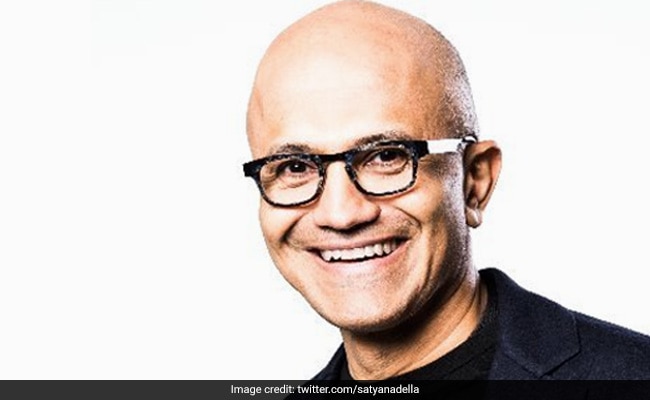
Microsoft CEO Satya Nadella has reportedly issued a stark ultimatum to his executive leadership team: fully commit to the 'AI grind' or find a new place to work, the Business Insider reported.
The directive, detailed in a series of high-level memos and internal town halls throughout late 2025, marks the end of the 'empathetic' management style that defined Nadella's first decade. As Microsoft pivots from being a "software factory" to an "intelligence engine," Nadella is making it clear that legacy thinking is now a liability.
According to internal documents and interviews with Microsoft employees, Nadella often references Digital Equipment Corporation (DEC), a once-dominant player that failed to adapt to new technologies and ultimately disappeared, as reported by BI.
Also Read | Layoffs Are Rising In Tech, But These Skills Are Helping People Unlock Better Pay
To address these challenges, Nadella is driving sweeping organisational shifts within Microsoft. These changes include high-profile executive changes, mandates for teams to work faster and leaner, and a focus on consolidating power around AI leaders. The goal is to radically reshape how the company builds and funds its products, ensuring it remains competitive in the AI era, says the report.
"Satya is pushing on intensity and urgency," one Microsoft executive told BI. That's putting pressure on some Microsoft veterans to decide whether they want to stay and commit to the mountain of work it's going to take to complete Nadella's AI revolution, the report said.
"You've gotta be asking yourself how much longer you want to do this," this executive added, adds the report.
According to an internal memo, Nadella has started a weekly AI accelerator meeting and corresponding Teams channel to speed the AI work and get more ideas from across the company, as per the report.
Recent executive changes include a potential retirement of Rajesh Jha, who oversees Office and Windows, and possibly Charlie Bell, who heads Microsoft's cybersecurity efforts. These changes come as part of the company's efforts to reorganise and focus on AI-driven innovation, the report mentions.
Investment Boom: From Google To Microsoft, Why Tech Companies Are Investing In IndiaEssential Business Intelligence, Sharp Market Insights, Practical Personal Finance Advice, Daily Fuel, Gold and Silver Prices and Latest Stories — On NDTV Profit.