Daan Utsav: If Everyone Acted The Way You Do, Would The World Be A Better Place?
Daan Utsav celebrates acts of giving, from October 2 to October 8. BloombergQuint brings you on-ground stories of change, from social sector leaders shaping them.
Growing up in an army background, I had the opportunity to complete my schooling in five different schools, travelling across North India and living in various military cantonments. Life in these cantonments was a pretty unique experience. Everything was disciplined, organised, precise. It was around the time I got into the ninth grade that the all-too-familiar question popped up - “What's your plan for the future?”
The only thing that really excited me at the time was the thought of working for a cause. For a while, inspired by the movie, Thank You For Smoking, I even considered becoming a lobbyist. However, things changed when I joined a college in the University of Delhi in 2005. Through multiple discussions with my peers and a diverse group of intellectuals, I realised that I was living in a bubble with a very limited world-view that was based on my sheltered existence and watching the India Shining campaign on television. I wanted to know more, and it was this desire that compelled me to apply for the India Fellowship program where I got the opportunity to work in a government primary school in Baligoan village of Gangolihat, Pithoragarh in Uttarakhand, with an amazing organisation, Himalayan Gram Vikas Samiti. The experience was life-changing.
During my six weeks of internship there, I got a sense of the challenges the two teachers faced while managing 150 children, spread across five grades.
The plans and strategies I had prepared appeared baseless and shallow, faced with the ground reality.
The one question that really bothered me during my time there was – what future was there for children living in such conditions? This thought lingered in my head for a long time, until eventually, I began to ask myself, “What can I do?” After months of late night conversations with my hostel roommates, in September 2007, we decided to start Milaan, a social development organisation aimed at providing access to quality education to the children in rural India.
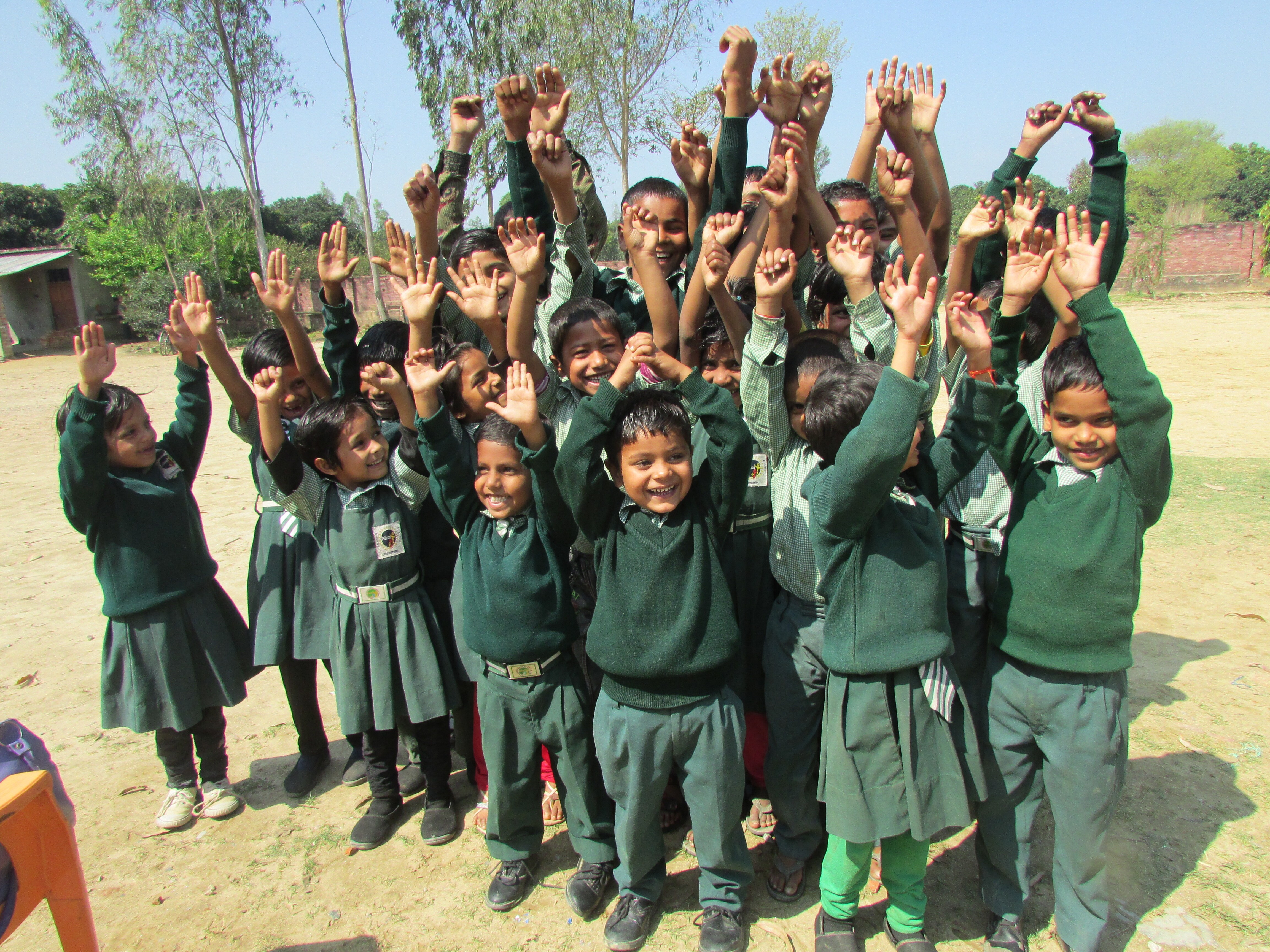
Our first base was in Kaintain village of Sitapur, Uttar Pradesh, where we opened a makeshift learning centre with ten children and two local teachers. Within months, the number of children in our centre grew to 48 and our regular weekend volunteering from Delhi to Sitapur helped us cultivate a positive relationship with the local community. In fact, in April 2008, we were invited to a local panchayat meeting where the villagers appreciated our work and proposed to help us in building the village's first senior secondary school.
They proposed to donate an acre of land and asked us if we could build the school.
Even though we had no hands-on experience of what it took to build and run a school, we accepted the challenge.
What followed next was a period of excitement mingled with anxiety as we got to work. Our fears worsened when we learned that it would cost approximately Rs 3 crore to build the school. After a lot of sleepless nights, we decided to reach out to our friends and families with our first campaign, “Build a School, Brick by Brick”, where we set the cost of one brick at Rs 10 and encouraged people to support us with as many bricks as they wanted. To our surprise, within a week, over 55 volunteers from different university colleges signed up to raise funds and we ended up raising Rs 80,0000 as our first fund. Following this, a foundation based out of Delhi heard about the campaign and offered to match our collection. This was a moment of triumph of faith, not just for us but also the villagers who put their trust in us.
Finally, in 2016, we were successful in building what was not just the first senior secondary school within a radius of over 12 kilometres in the target community, but also in getting a lifetime affiliation with the state government till grade 12. Words can't describe the euphoria I felt at that time, watching a seemingly impossible dream come true.
Our next focus was on deepening our understanding of the education scenario in India, in order to expand our learning initiative into a larger educational transformation movement. Based on our research, we narrowed down our efforts to two major problem areas – affordable government schools, and the education of adolescent girls, particularly in economically backward areas.
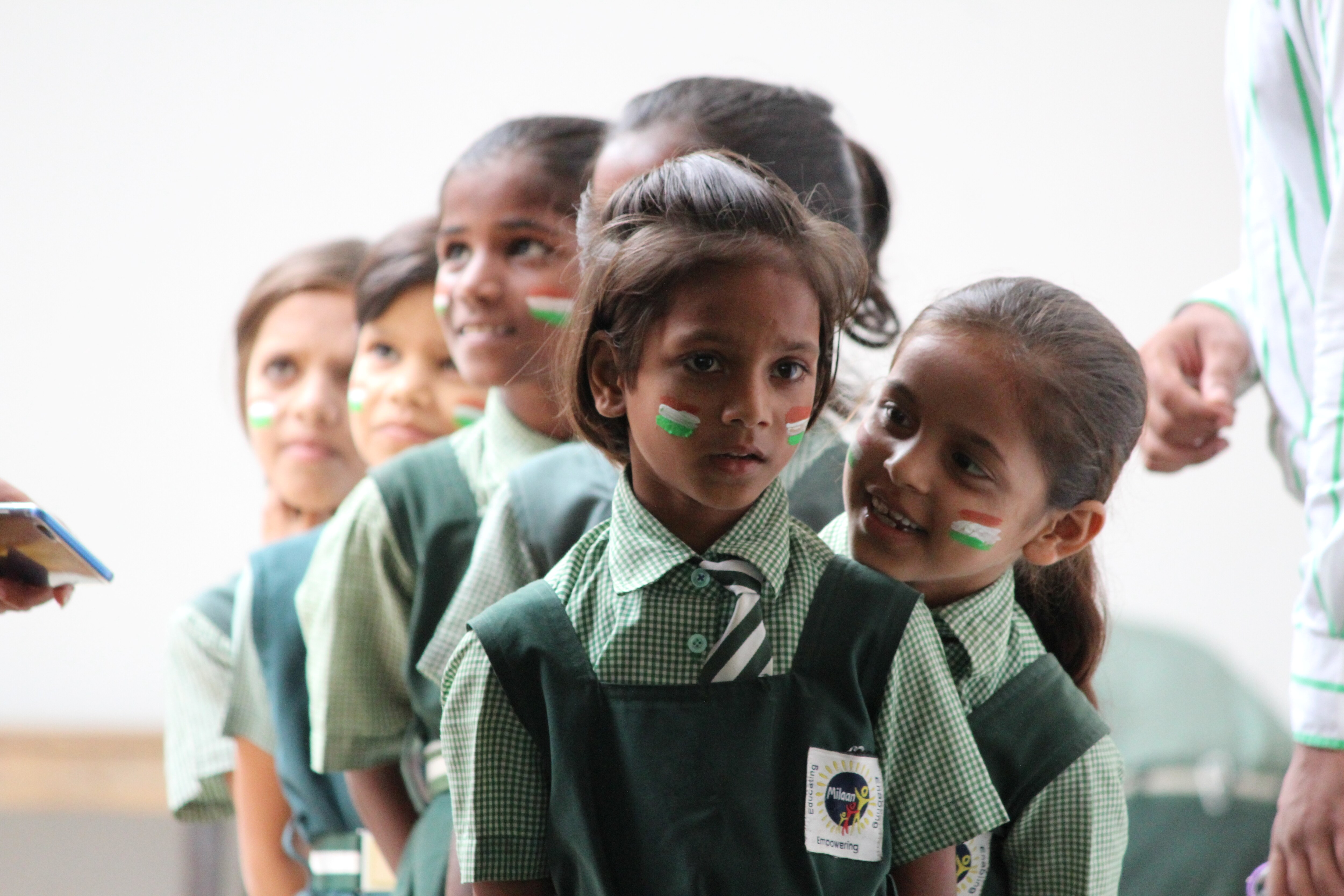
As far as government schools are concerned, we have been running a three-year comprehensive school development program aimed at grades 6 to 8 to inculcate safe and fun learning spaces. Other than that, we have also been instrumental in bridging the gap between the schools and the local communities and facilitating a healthy conversation between the two stakeholders.
One of our case studies, Neha, was only in the seventh grade when she became a victim of child marriage. She fought the injustice boldly, leading to an annulment of her marriage and making her the first underage bride from Madhya Pradesh who received a maintenance of Rs 1,500 from the boy's family. However, she had to pay a price. Estranged from her family, Neha lives in an ashram now, where her fight against child marriage continues.
It is stories like Neha's that fuel us in our journey towards nurturing girl leaders within the local communities to create a more equitable world.
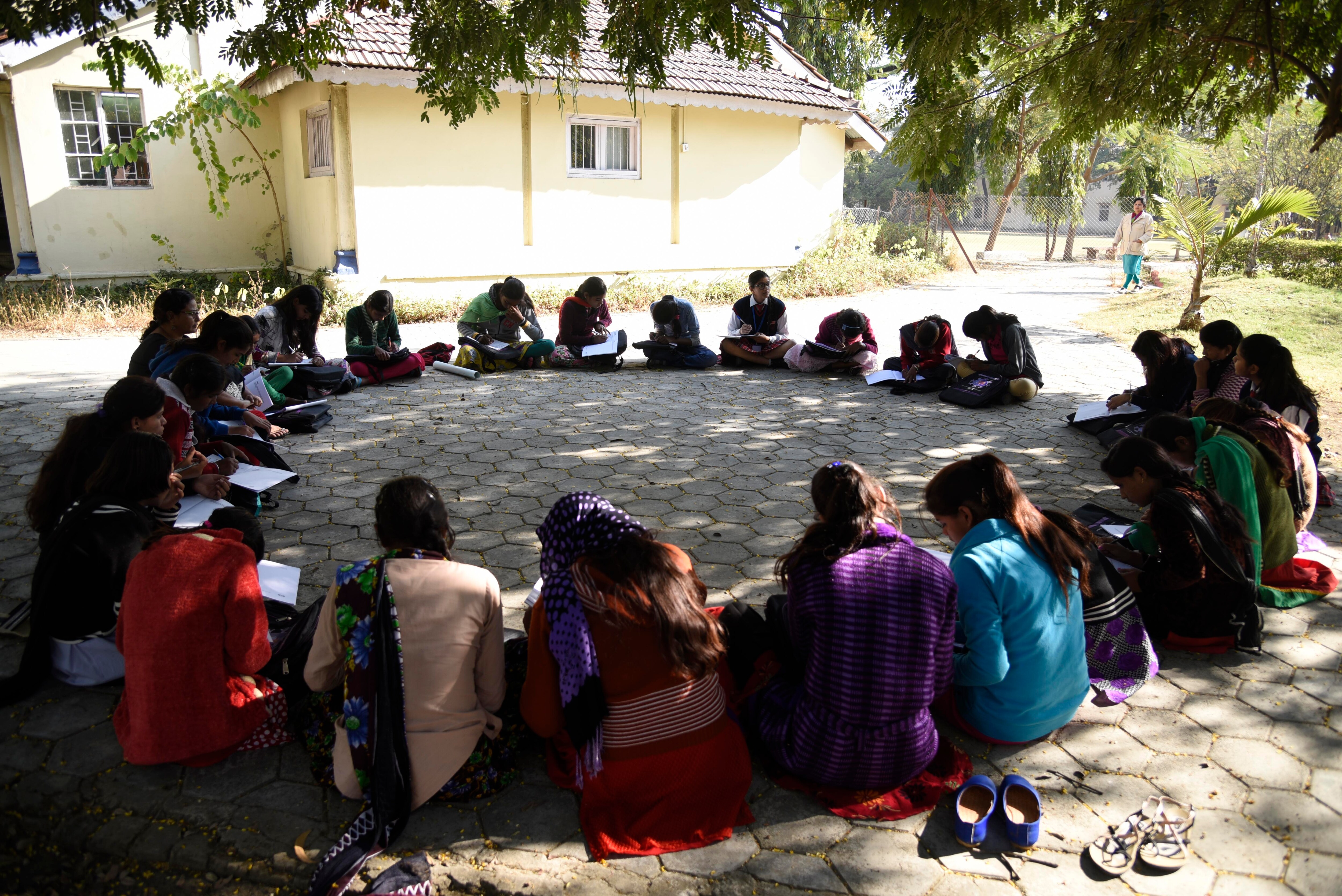
Our Girl Icon Fellowship program is a two-year long leadership development program for adolescent girls (12-18 years) who have demonstrated a willingness and ability to challenge social barriers that restrict the unleashing of girls' potentials in their communities.
With 100 Girl Icon Fellows, representing 43 districts in two of the largest states in India: Uttar Pradesh and Madhya Pradesh, the journey has already begun.
Given a chance, every individual has the power to be a change-maker in their own lives, and the communities they come from. All we need to do is to ask ourselves, “If everyone acted the way you do, would the world be a better place?”
Dhirendra Pratap Singh is a co-founder and the CEO of Milaan.
The views expressed here are those of the author's and do not necessarily represent the views of BloombergQuint or its editorial team.

-
Gold Is Rs 22,000 Cheaper Than A Month Ago. Should You Buy Amid The Wedding Season?

Gold's potential slide to $3,500 could save around Rs 4,700 per 10 grams, but a soft inflation print could just as easily push prices back up. One way to split the risk is to buy in parts, some now and the rest after the Fed's Dec. 9 decision.
-
AI Agents Are Gaining Power. Who Governs Them?
Artificial intelligence agents promise to transform productivity by moving machines from assisting decisions to executing them. But as organisations delegate greater authority to these AI-agents, they must first establish who controls that authority and who remains accountable when things go wrong.
-
Why Swapping Your Old Gold Can Trigger A Rs 5 Lakh Tax Bill, And How You Can Avoid It Legally
Swapping old gold for new is taxed as a sale and a fresh purchase. Getting your own gold remade can cut most of that bill, though it has its own costs.
-
The AI Trade is Done. The Real Opportunity for Investors Starts in 2027 | Unhedged Position
As pureplay AI stocks plunge and circular, capex-led financing unwinds, 2027 is set to be a year of reckoning for AI companies. Yet the bust clears the way for a better opportunity for investors in 2027 -- shifting the spotlight from AI builders to the companies using AI.
-
Leadership As Mission: Why The Age Of AI Demands More Human Leadership
Debjani Ghosh examines how AI is changing leadership, arguing that its success must be measured by its impact on people and the accountability of those guiding its use.
-
We May Need Another Tukaram Mundhe To Fight Air Pollution | The Reason Why
Developers may install basic measures such as sprinklers and green nets, resume work, and continue violating rules when this equipment stops working.
-
Extracting Value From Battery Scrap Could Be Challenging For India | The Reason Why
A discarded lithium-ion battery still contains valuable materials such as lithium, nickel and cobalt. These can be recovered and reused. When such batteries are crushed and shredded, they produce a dark powder called black mass.
-
One El Nino, India Can Handle. Two Could Break The Granary
India's grain stocks can absorb one bad year, but a second El Nino could drain the buffer in two to three years, economists say.
-
India's Troika Of Good Luck | Joining The Dots
As Jensen Huang's exit drags Nvidia down, a cooling AI trade and resilient earnings have revived investor interest in India. A likely RBI rate hike looms.
-
Talking Points This Week: Leadership Shock At Nvidia, Earnings Strength, And The Fog Over Hormuz
The Anthropic IPO pricing and first trading day, Nvidia's upcoming earnings, and any fresh signals from Iran will set the tone for the following week.









