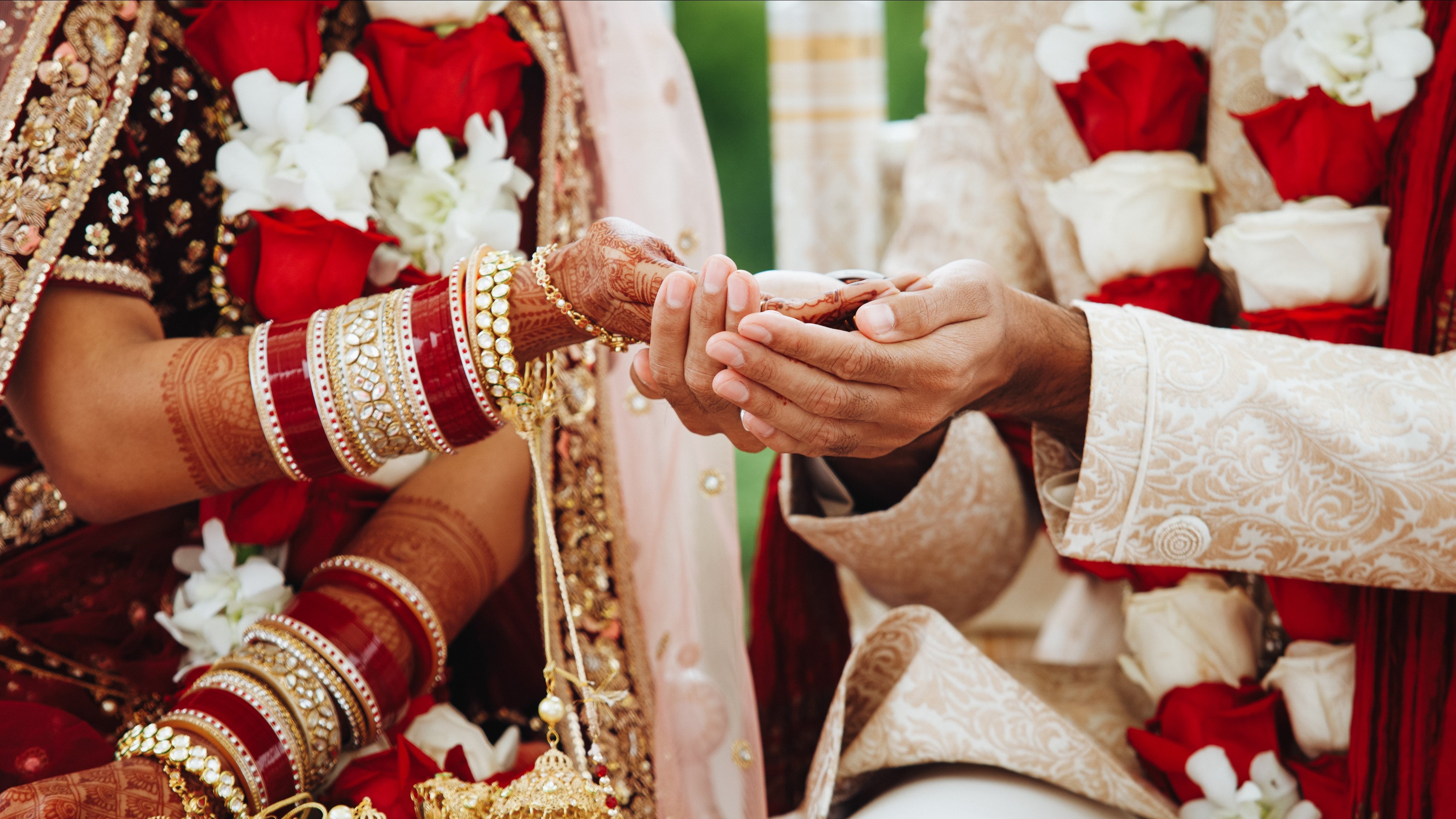
Indian weddings in 2025 are not getting smaller or simpler. They are getting more intentional. The shift is subtle, almost easy to miss. Traditions are still followed, rituals still performed, photographs still staged. However, beneath the choreography, something has shifted. Couples are marrying later, questioning timelines, setting boundaries and making choices that prioritise compatibility and comfort over compliance.
WedMeGood's Annual Wedding Industry Report 2025 suggests that the result is not a rejection of the wedding as an institution, but a subtle rebalancing of control — away from obligation and towards intention.
Compatibility Check
One of the clearest signs of this shift appears well before the wedding day. The rituals remain. The timing, however, is being negotiated.
Also Read | Layoffs Are Rising In Tech, But These Skills Are Helping People Unlock Better Pay
Nearly 29% of couples now cohabit before marriage, reflecting a growing emphasis on emotional alignment and shared decision-making before formal commitment. Marriage, increasingly, is not treated as the starting point of adult life but as a step taken later—often around the age of 29—when careers, finances and relationships feel more settled.
They're Your Soulmate, But Do You Know All Their Investments?Spending, But With Restraint
Indian weddings are still expensive. The average wedding cost now stands at Rs 39.5 lakh, up 8% year-on-year, broadly tracking inflation rather than runaway excess. Yet the way money is being spent tells a different story.
The report shows growing financial consciousness. The average wedding loan size is Rs 15.5 lakh, suggesting that while couples are willing to spend, they are also mindful of borrowing limits. Payment behaviour reflects this shift as well. While cash continues to dominate, 38% of couples now use digital payment modes, indicating a move towards transparency and traceability in wedding expenses.
Editing Traditions
Rituals continue to anchor Indian weddings, but couples are increasingly selective about what they include and why.
This shift shows up indirectly in planning choices. The report notes that availability constraints, time management and venue limitations are among the most common pain points for couples, prompting them to streamline ceremonies rather than expand them.
Nearly 38% of venue-related frustrations stem from limited saya dates, pushing couples to make pragmatic decisions about which rituals to retain and which to compress or drop.
BNPL For Wedding Shopping: Is It Safe Or A Debt Trap?Beauty, Clinically Upgraded
Another area where intention is visible is personal preparation. Pre-wedding beauty has shifted decisively towards clinical interventions. According to the report, 65% of couples opt for clinical skin treatments, while 17% choose dermal fillers.
The glow-up has become procedural — planned, and timed — mirroring the broader approach to wedding planning itself.
Technology In The Background
Technology, too, is playing a role, though discreetly. One in three couples checks online reviews before booking vendors, signalling a move away from blind trust and towards informed choice. Platforms have evolved into structured discovery tools, helping couples compare, shortlist and decide with greater clarity.
Among vendors, nearly 24% have begun using AI tools to improve speed and professionalism.
Couples are still getting married. Families are still involved. Rituals still unfold. But the wedding is no longer treated as an unquestioned script. It is something to be planned, negotiated and — where necessary — edited.
The rebellion is soft because it has to be. In a culture where weddings carry social, familial and symbolic weight, change arrives not with rupture, but with intention.
AI Enters The Mandap: The Future of Wedding Jobs In IndiaEssential Business Intelligence, Sharp Market Insights, Practical Personal Finance Advice, Daily Fuel, Gold and Silver Prices and Latest Stories — On NDTV Profit.