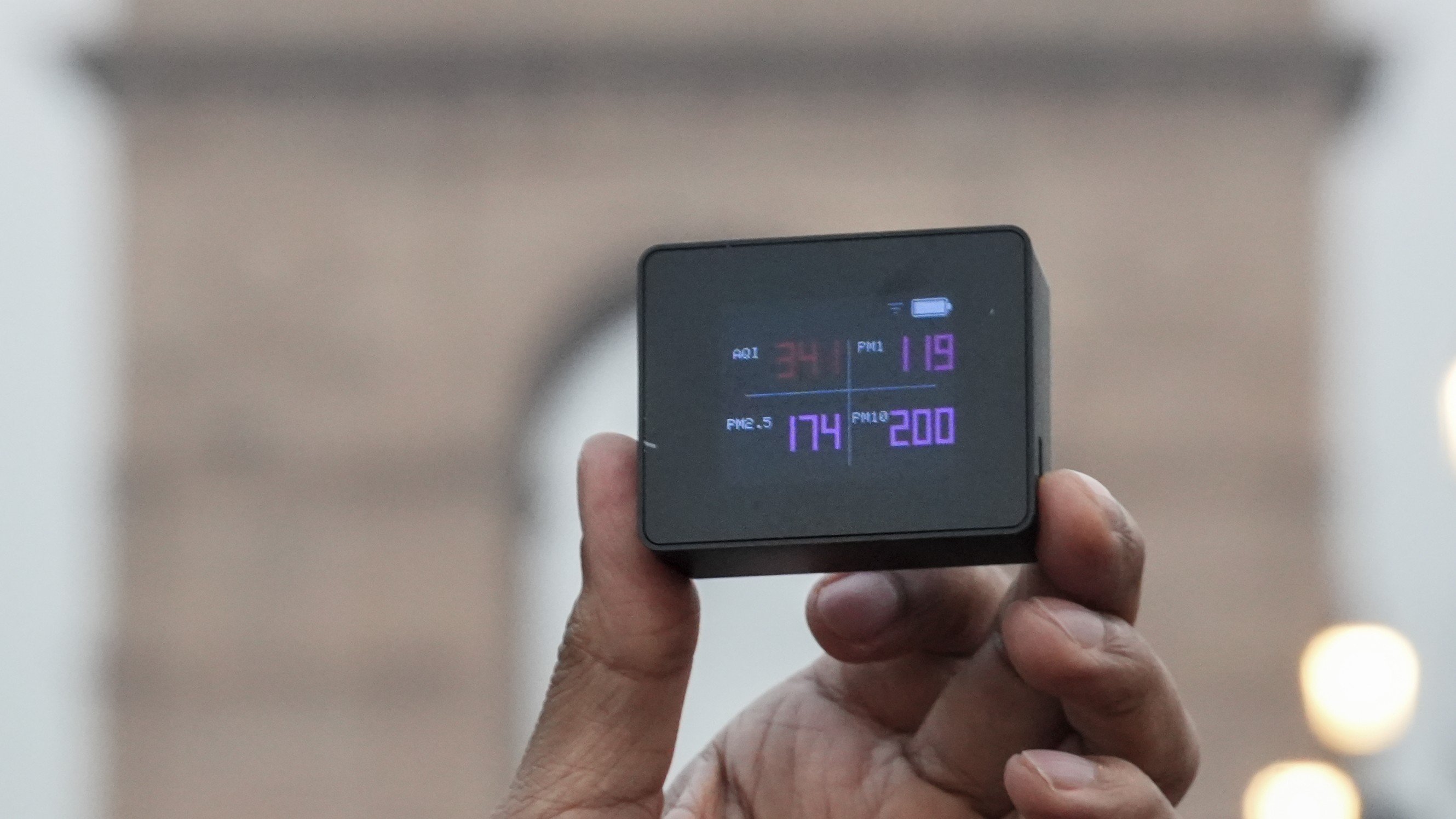
- Delhi-NCR's Air Quality Index has deteriorated to hazardous levels affecting residents' health
- Chinese Embassy suggests closing heavy industries and phasing out old high-emission vehicles
- China controlled emissions with strict vehicle norms and reduced car growth via license lotteries
The Air Quality Index in Delhi-NCR has slipped to "hazardous" levels, posing a threat to the health of all those living in the region. With smog clouds refusing to release the national capital from their chokehold, the Chinese Embassy in India has outlined a comprehensive list of measures, including closing up heavy industries and slowly discarding old vehicles with higher emissions that should be taken to get it under control.
China's list is based on its experience with Beijing, which once mirrored Delhi's current smog filled streets.
"Both China and India know the struggle with air pollution amid rapid urbanization. While the challenge remains complex, China's sustained efforts over the past decade have delivered noticeable improvements", Yu Jing, spokesperson for the Chinese embassy stated.
Also Read | Layoffs Are Rising In Tech, But These Skills Are Helping People Unlock Better Pay
According to Jing, here is how Beijing tackled its high AQI:
It began with vehicle emissions control and adopting ultra-strict regulations. She advised New Delhi to do the same and adopt regulations "like China 6NI (on par with Euro 6) and phase-out retired old, high-emission vehicles.”
Curbing car growth via license-plate lotteries and odd-even/weekday driving rules was the second step for China. She highlighted that Delhi should build one of the world's largest metro and bus networks and hasten the shift to electric mobility. "Work with the Beijing–Tianjin–Hebei region on coordinated emissions cuts", the spokesperson said.
China also shut down, removed and shifted over 3,000 heavy industries to cut down on inhalable particles. In the process, Shougang, one of China's largest steelmakers, was relocated leading to a reduction of 20% in inhalable particles.
Further, citing the example of the former Shougang site, which was transformed into 2022 Winter Olympics venue, Jing suggested that vacated factories should be converted into parks, commercial zones, cultural and tech hubs.
She suggested to "relieve non-capital functions by relocating wholesale markets, logistics hubs and some educational and medical institutions".
And finally, while Beijing retained high-value R&D services, general manufacturing was shifted to Hebei to coordinate regional integration.
Essential Business Intelligence, Sharp Market Insights, Practical Personal Finance Advice, Daily Fuel, Gold and Silver Prices and Latest Stories — On NDTV Profit.