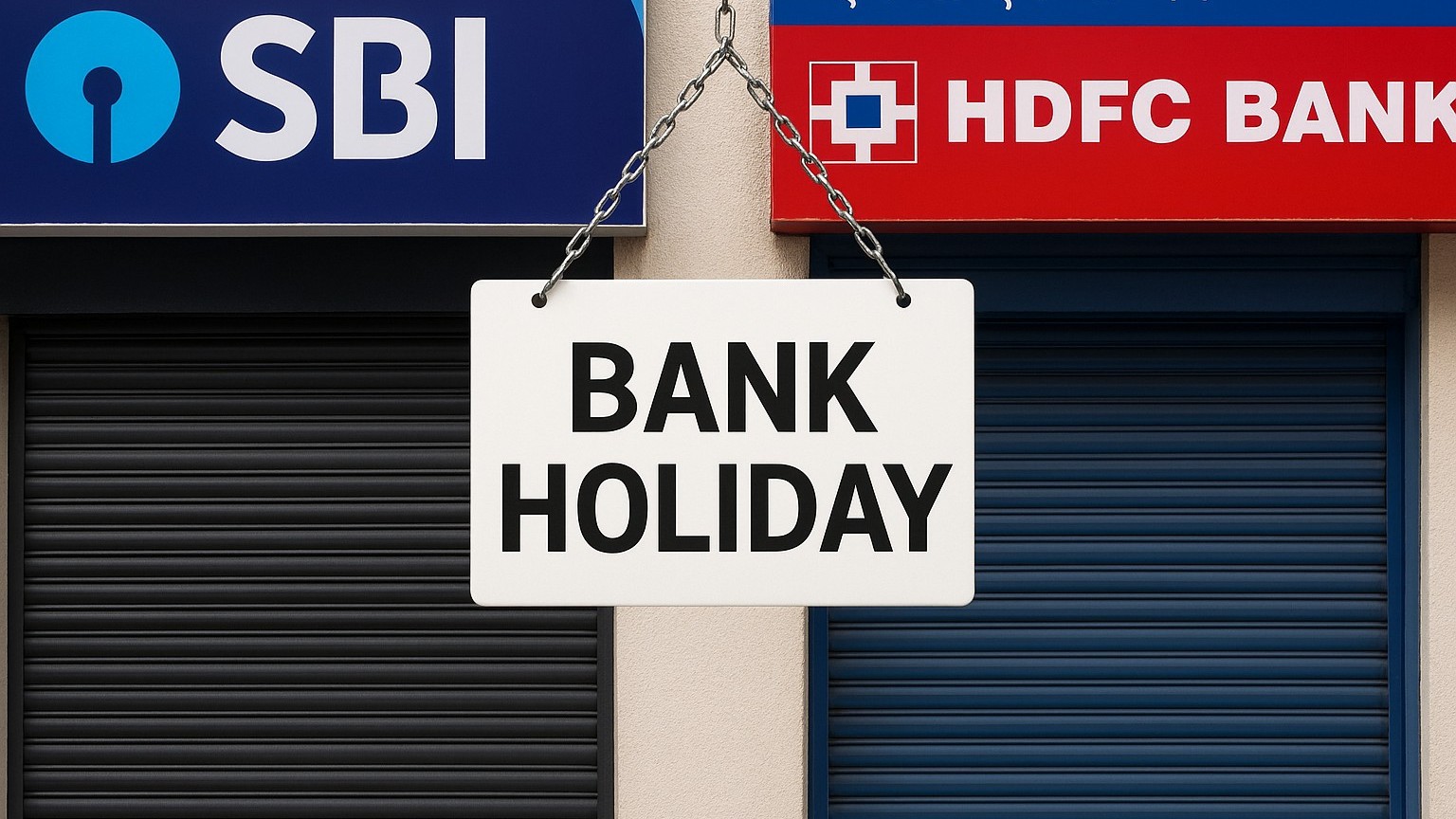
- Banks will be closed on Dec 15, 18, 19, and 20 in select Indian states this week
- Banks in Arunachal Pradesh close Dec 15 for Panchayati Raj election
- Meghalaya banks shut Dec 18 for U Soso Tham death anniversary
Banks in certain parts of India will be closed for a total of four days during this week. As per the Reserve Bank of India's (RBI) calendar, banks will be closed on Dec. 15, 18, 19 and 20.
On Dec. 15, banks will be closed in Arunachal Pradesh on account of the general election to the Panchayati Raj institutions and municipalities across the state.
Banks will remain shut in Meghalaya on Dec. 18 to mark the death anniversary of U Soso Tham, who is renowned as the pioneer of secular Khasi literature.
In Goa, banks will be closed on Dec. 19 on the occasion of Goa Liberation Day.
Banks in Sikkim will remain closed on Dec. 20 for the celebration of Losoong or Namsoong. This festival marks the Sikkim New Year.
It is important to note that banks will remain operational in other parts of India on Saturday, Dec. 20.
While bank branches remain closed on public holidays, customers can continue to access banking services such as ATMs, UPI transactions, online banking and other internet-based options.
If you have planned a visit to the bank this week, you must take note of the holiday schedule that has been mentioned above. In case of any confusion, you can contact your local bank branch to know if they remain closed on any particular day.
Stock Market Holidays In 2026: NSE Shares List Of 15 Non-Trading Dates — Check DetailsThe Reserve Bank of India (RBI) divides bank holidays into three key categories to streamline operations: those mandated by the Negotiable Instruments Act for national and regional festivals, Real-Time Gross Settlement (RTGS) holidays, and banks' closing of accounts.
Different states in India also have their own regional holidays. Thus, state-specific holidays can vary across the country.
Banks across India also remain closed every second and fourth Saturday, plus all Sundays.
The list of banking holidays may be updated from time to time, with changes depending on official decisions. For the latest and most accurate information, it is best to refer to official updates issued by the RBI and the relevant state authorities.
Bank Holidays In December 2025: Banks To Remain Closed For 18 Days, Check Full ListEssential Business Intelligence, Continuous LIVE TV, Sharp Market Insights, Practical Personal Finance Advice and Latest Stories — On NDTV Profit.