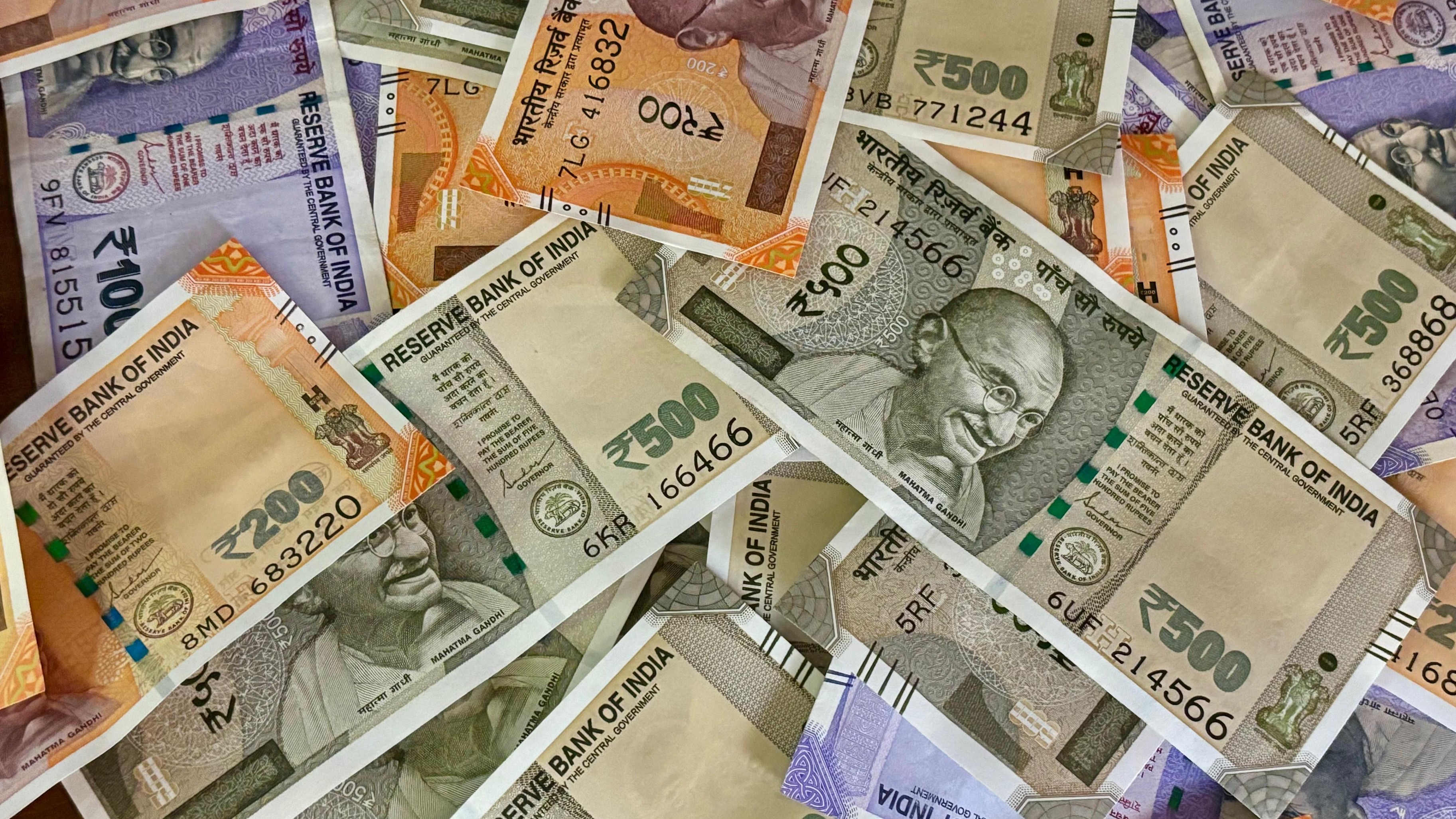
- The Indian rupee dropped below 90.50 against the US dollar amid global volatility.
- The Cabinet approved the Insurance Amendment Bill allowing 100% FDI in insurance.
- The Atomic Energy Bill 2025 was cleared to enable private sector entry in nuclear energy.
The week ending Dec. 12, 2025 was characterised by a mix of domestic economic triumphs and global policy shifts.
On the domestic front, the rupee continued its slide, reaches record lows after Commerce Minister Piyush Goyal said that the India-US negotiations are progressing well. The Cabinet has also approved two significant pieces of legislation — the Insurance Amendment Bill and the Atomic Energy Bill 2025.
On the global front, Australia's recently enacted social media ban for under-16s is already facing legal backlash from social media giant Reddit.
Also Read | Layoffs Are Rising In Tech, But These Skills Are Helping People Unlock Better Pay
Here is a quick rewind of the week gone-by:
Rupee Slide Continues
The Indian rupee slipped to a new record lows this week, weakening beyond the 90.50 mark against the US dollar, as the depreciation trend continued despite positive signals on the trade front.
The decline comes even as Commerce Minister Goyal said trade negotiations with the United States are “progressing well.” However, the domestic currency remains under pressure amid global market volatility and shifting capital flows.
The latest bout of weakness follows the US Federal Reserve's decision to cut interest rates by 25 basis points — a move that has triggered renewed investor interest in safe-haven assets like gold and silver, pushing their prices higher in recent days.
Rupee Hits New Record Low, Weakens Below 90.50 Against US Dollar — Market Expert Explains WhyCabinet Clears Two Key Reform Bills
In a major push to liberalise India's financial and strategic sectors, the Union Cabinet has approved two significant pieces of legislation — the Insurance Amendment Bill and the Atomic Energy Bill 2025 — sources told NDTV Profit on Friday.
The Insurance Amendment Bill, which raises the foreign direct investment (FDI) cap in the sector from 74% to 100%, is expected to be introduced in the Lok Sabha on Monday. Once enacted, the reform will allow foreign investors to fully own insurance companies operating in India.
Separately, the Cabinet has also cleared the Atomic Energy Bill 2025, a long-awaited reform aimed at reshaping India's nuclear power landscape. This change is expected to pave the way for private-sector participation by enabling firms licensed under the Companies Act, 2013, to enter segments of the nuclear energy ecosystem.
Govt Clears Insurance Amendment Bill To Permit 100% FDIICICI Prudential IPO Opens On Dec 12
ICICI Prudential Asset Management Company opened its initial public offering (IPO) on Dec. 12, aiming to raise over Rs 10,600 crore from the primary market, marking one of the biggest listings in India's financial sector.
The issue is set to become the fourth-largest IPO of 2025 by size — trailing Tata Capital, HDB Financial Services and LG Electronics India — underscoring strong investor appetite for financial services companies entering the public markets.
The offering also includes a reservation exclusively for eligible ICICI Bank shareholders, providing them with preferential access to the AMC's market debut.
ICICI Pru AMC IPO GMP: Grey Market Premium Halves To 5% On Eve Of LaunchNovo Nordisk Launches Ozempic in India
Danish drugmaker Novo Nordisk has introduced its blockbuster diabetes drug Ozempic in India, with the lowest 0.25 mg dose priced at Rs 2,200 per week. The launch marks the arrival of one of the world's most widely used GLP-1 therapies for diabetes management in the Indian market.
Speaking exclusively to NDTV Profit, Vikrant Shrotriya, Managing Director, Novo Nordisk India, said the company is committed to ensuring “India-tailored pricing” for its once-weekly injectable formulation of semaglutide. He added that India “deserves innovation and international-quality standards” when it comes to treatment for diabetes and obesity, both of which are rising health challenges in the country.
With this rollout, Ozempic will be available in a pen format in doses of 0.25 mg, 0.5 mg, and 1 mg, widening access to a therapy that has reshaped diabetes management globally.
Novo Nordisk Bets On 'India-Tailored Pricing' With Ozempic Launch For Type-2 DiabetesAustralia Becomes First Country to Ban Social Media for Under-16s
Australia has enacted a sweeping new law banning children under 16 from accessing social media platforms — including TikTok, YouTube, Instagram and Facebook — becoming the first country in the world to impose such a restriction. The ban came into effect on Wednesday, Dec. 10.
Prime Minister Anthony Albanese hailed the move as "a proud day" for families, framing the legislation as a decisive step to curb online harms that have grown faster than traditional regulatory systems.
Just days into enforcement, the policy is already facing pushback. Reddit filed a legal challenge on Friday, arguing against the under-16 ban and setting the stage for the first major test of the law in court.
Reddit Challenges Australia's Under-16 Social Media Ban In High CourtEssential Business Intelligence, Sharp Market Insights, Practical Personal Finance Advice, Daily Fuel, Gold and Silver Prices and Latest Stories — On NDTV Profit.