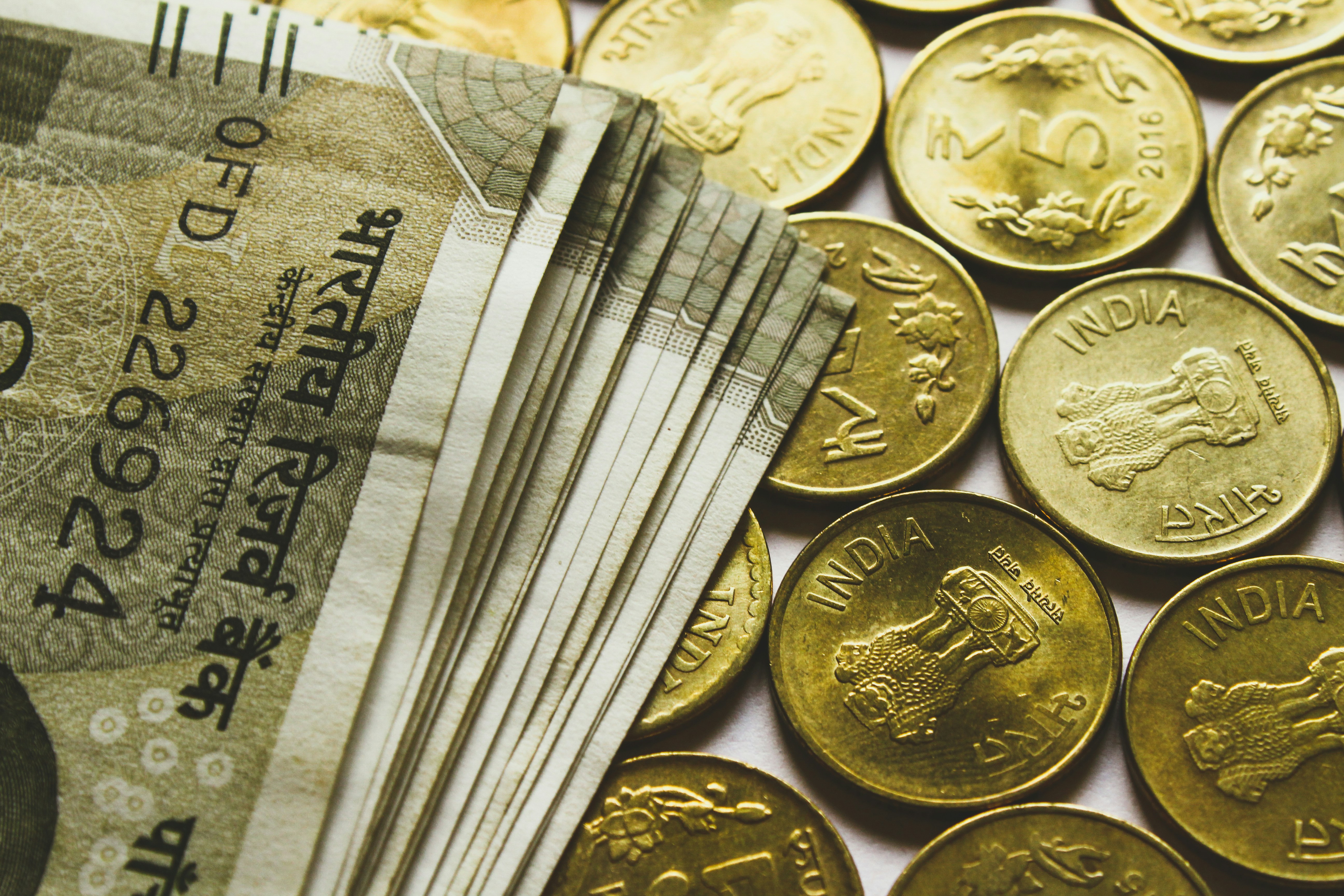
- The Indian rupee hit a record low of 90.72 against the US dollar on Monday
- Rupee depreciation benefits IT, auto ancillary, and auto OEM sectors with dollar revenues
- Oil and gas explorers gain from higher local currency realisations due to weaker rupee
The Indian rupee has slipped to a fresh record low of 90.72 against the US dollar on Monday, underscoring persistent currency pressure and marking the eighth consecutive year of sustained weakness. With the Indian currency under pressure sectors like IT, ancillaries, auto OEMs will be on the gaining side, while OMCs and Aviation will see some pressure.
Over the past 35 trading sessions, the rupee has depreciated by around 3.5%, sliding from 87.64 to nearly 90.73. The pace of decline has accelerated in recent months, with the currency falling 2.35% over the past one month and 3.32% over the last two months, raising fresh concerns about sectoral earnings impact.
IT Sector
Among the key beneficiaries is the IT sector, which remains the most direct play on a weaker rupee. Most Indian IT companies have substantial exposure to US dollar revenues, with a significant portion of contracts billed in dollars. A depreciating rupee boosts reported revenues and margins through favourable currency translation, providing earnings support even in a challenging global demand environment.
Also Read | Layoffs Are Rising In Tech, But These Skills Are Helping People Unlock Better Pay
As the Rupee hit a fresh low, IT stocks that were under pressure earlier saw some recovery on Monday. Even Nifty IT that had fallen 0.61% during the day recovered and hit an intraday high of 38,408.10 with a 0.35% gain.
Auto Ancillary
Auto ancillary companies also stand to gain. A large share of exports from this segment is directed towards the US and European markets. Depreciation against both the dollar and the euro leads to translation gains, improving top-line visibility.
Companies such as Bharat Forge, Endurance Technologies and Samvardhana Motherson are relatively better placed to benefit from currency tailwinds due to their strong overseas revenue mix.
Auto OEMs
Auto original equipment manufacturers with high export exposure are another pocket of strength. TVS Motor derives around 30% of its volumes and roughly 25% of its revenues from exports, while Bajaj Auto generates nearly 50% of its revenue from overseas markets. A weaker rupee enhances export realisations and supports profitability, particularly for companies with limited import intensity.
Rupee Sinks To New Historic Low Against Dollar, Opens WeakerOil and gas
Oil and gas explorers also gain from rupee depreciation. Crude oil and natural gas produced domestically are typically priced and billed in US dollars. As a result, a weaker rupee increases realisations in local currency terms, boosting revenues and cash flows for upstream companies.
Pharmaceuticals
Some sectors experience a more balanced impact. Pharmaceuticals, for instance, see both positives and offsets. About 53% of the industry's turnover comes from exports, making currency depreciation a meaningful tailwind for revenues.
However, benefits can be partly diluted by regulatory pressures, pricing challenges in the US market and imported raw material costs, resulting in a broadly neutral overall impact.
Chemical Sector
The chemicals sector also falls into the neutral category. Around 45–50% of India's chemical production is exported, which supports revenues during periods of rupee weakness. At the same time, close to 50% of raw materials are imported. Higher input costs during depreciation can erode margins, especially for companies with limited pricing power, balancing out the currency advantage.
Aviation
On the negative side, aviation remains one of the most vulnerable sectors. Nearly 60–65% of operating costs, including aircraft leases, fuel and maintenance, are dollar denominated. A weaker rupee directly raises costs, pressuring margins and profitability, particularly if airlines are unable to pass on higher expenses through ticket prices.
Oil marketing companies
Oil marketing companies are also adversely affected. While crude oil is purchased in dollars, product realisations are largely in rupees. Rupee depreciation increases the cost of crude imports, squeezing margins unless offset by timely price hikes, which are often constrained by regulatory and political considerations.
City gas distribution companies face similar challenges. These companies import liquefied natural gas, leading to higher input costs when the rupee weakens. If the higher costs are not fully passed on to consumers, earnings per share could be impacted by around 2–5%.
Stock Market Live: Nifty Near 25,900, Sensex Falls Nearly 400 Points; Rupee Hits Record LowEssential Business Intelligence, Sharp Market Insights, Practical Personal Finance Advice, Daily Fuel, Gold and Silver Prices and Latest Stories — On NDTV Profit.