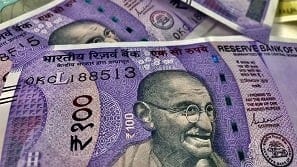
The Indian rupee was back in the spotlight after the US Federal Reserve delivered a third straight 25 basis-point rate cut. While global markets reacted cautiously, the bigger question for India is how the widening monetary gap with the US and the evolving rate environment will shape the rupee's trajectory in the coming months.
Dipanwita Mazumdar, Economist at Bank of Baroda, believes India enters this phase from a position of relative strength, but warns that the currency remains vulnerable until greater clarity emerges on the US–India trade deal.
According to her, several factors now come into play. The first is the policy rate differential between India and the US. Currently at around 150 basis points, this spread is supported by the RBI's comparatively sharper pace of rate cuts.
Also Read | Layoffs Are Rising In Tech, But These Skills Are Helping People Unlock Better Pay
India's 10-year yield differential, at roughly 240 basis points, is also expected to remain sticky in the near term. However, Mazumdar notes that downward pressure may build as domestic monetary conditions loosen and inflation evolves.
Looking ahead, she expects the Fed to cut rates once more and sees India delivering another 25 bps cut as well. If that happens, the policy rate differential could widen to nearly 200 bps, which she believes would be favourable for India from an interest-rate standpoint.
Where the picture turns more complex is the rupee. Mazumdar says the rupee continues to carry a depreciating bias, driven by global volatility, uncertainty around trade negotiations with the US and uneven foreign inflows. She stresses that clarity on the trade deal will be critical in determining the rupee's directional movement. A softer dollar index, meanwhile, could offer interim relief, along with RBI intervention and comfortable domestic liquidity.
Even so, she expects the currency to remain under pressure until the trade agreement is finalised.
Essential Business Intelligence, Sharp Market Insights, Practical Personal Finance Advice, Daily Fuel, Gold and Silver Prices and Latest Stories — On NDTV Profit.