Investors Lose Nearly Rs 10 Lakh Crore As Last Hour Panic Grips Dalal Street
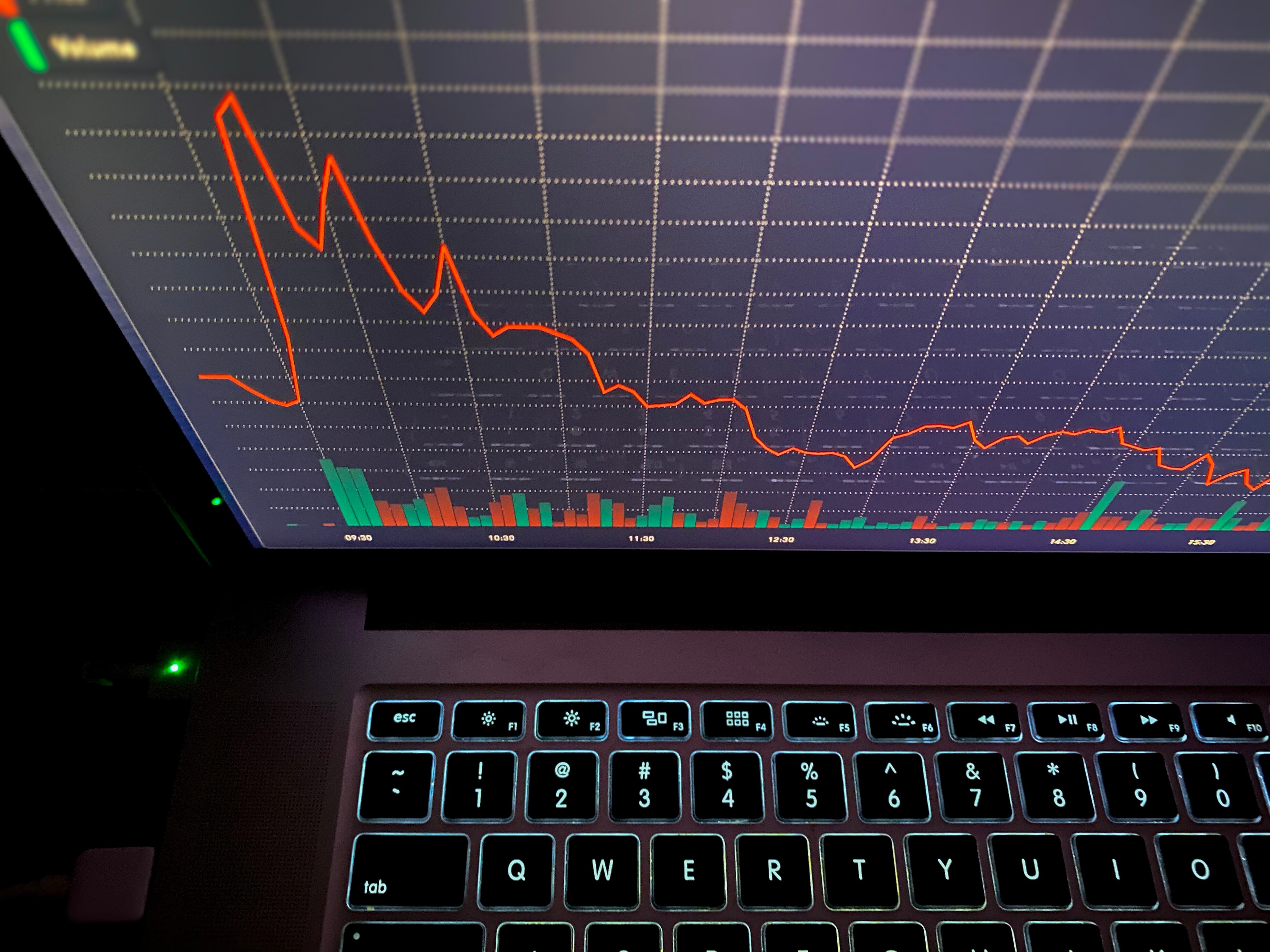
Investors lost nearly Rs 10 lakh crore in trade on Tuesday as benchmark indices ended at a two-month low amid a selloff from foreign investors.
India's benchmark indices Nifty 50 and S&P BSE Sensex ended 1.25% and 1.15% lower, respectively, on Monday, with Nifty PSU Bank and Nifty Realty being the top sectoral losers.
During the last leg of the trade, the Nifty 50 fell as much as 1.35% to 24,445, and the Sensex fell 1.23% to a low of 80,149.
Foreign institutional investors have been net sellers for the 16th consecutive day and have offloaded nearly Rs 93,500 crore since Sept. 27, according to provisional data from NSE.
So far in October, global funds have offloaded nearly Rs 82,500 crore, the highest-ever outflow in a single month. The previous highest monthly outflows of Rs 61,973 crore were seen during the Covid-19 selloff in March 2020.
Bearish sentiment continued to dominate the domestic market today amid heightened volatility, with small and midcap stocks taking the biggest hit, according to Vinod Nair, Head of Research, Geojit Financial Services.
The recent sharp rise in US bond yields signals diminished expectations for aggressive rate cuts by the US Fed, also affecting fund flows to EMs, he said. "In the short term, this bearish outlook may persist due to sluggish earnings growth trends."
The benchmark indices, NSE Nifty 50 and BSE Sensex, have fallen by about 5.56% and 5.33%, respectively, in the last 16 days after the key gauges hit fresh highs.
The volatility gauge, India NSE VIX, rose 5.14% on Tuesday to 14.47, the highest level since Oct. 19.
Reliance Industries Ltd., HDFC Bank Ltd., and Mahindra & Mahindra Ltd. were top laggards in the Nifty 50 index. ICICI Bank Ltd., Bharti Airtel Ltd., and Infosys Ltd. gained to cushion the losses in the benchmark gauge.
The broker market faced more heat as the NSE Nifty Midcap 150 and the Nifty Smallcap 250 ended 2.57% and 5.27% lower, respectively.
The price-to-earnings ratio of the Nifty is valued at 19.2, while that of the small-cap and the mid-cap index is at 33.3 and 44.4, respectively.

-
A New Samvat Wishlist: Inclusive Prosperity And Human Development

India has strengthened its economic foundations through infrastructure, digital access and enterprise. Its next growth chapter must deepen productivity, create better livelihoods and widen participation in prosperity.
-
Love, Sex Aur Dhokha: The Audacious Plot To Spy On Jensen Huang
A Taipei dinner, a Singapore chip buyer and a suspected Chinese asset: inside the alleged spy operation that got close to NVIDIA's Jensen Huang.
-
Ten Things I Learnt This Samvat
Patience can be a trap. Cheap stocks can stay cheap. Leverage can wipe you out. What did Samvat 2082 teach us? Niraj Shah writes on 10 lessons from the year gone by.
-
Talking Points This Week: Tech Nerves, FII Buying, And A Faraway Banking Shock
The global markets are not shining this Diwali. The exception in the large markets is, India.
-
Midterm Rally Lasted A Day. The Hard Reality Of A Divided US May Last Two Years | Opinion
Between a contested AI boom, a debt ceiling that arrives in 2027 and a president with every incentive to act alone, the next two years may prove more volatile than the first day's rally suggests.
-
Blue Wave Will Derail the AI Trade but Won't Dismantle the AI Era | Unhedged Position
The Democrats' sweep of the US Congress will see politics collide with economic forces both over the long and short term.
-
It's Time To Take The GST Council's Bet On Trust Global
Payment records can prove India's services exports, and clear, proportionate rules can bring foreign digital sellers into the tax net.
-
Opinion | India at 38: From Innovation Overperformer to Innovation Powerhouse
India now has 453 VC-backed deep science startups, 18 of them late-stage, after 117 percent growth since 2020. Laurus Labs, at USD 9.3 billion, is the most valuable deep science company in any middle-income economy outside China.
-
Navigating Energy Crossroads: S Jaishankar's Call For Diversified Supply Chains At G20 Ministerial Meeting
As geopolitical fault lines continue to test maritime trade routes and commodity flows, Jaishankar's message remains pertinent: true economic resilience requires open markets, protected transit lines, and a genuine commitment to multilateral cooperation rather than coercion.









