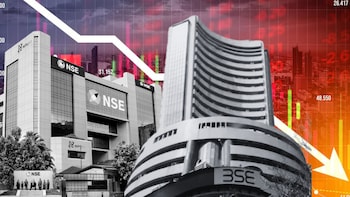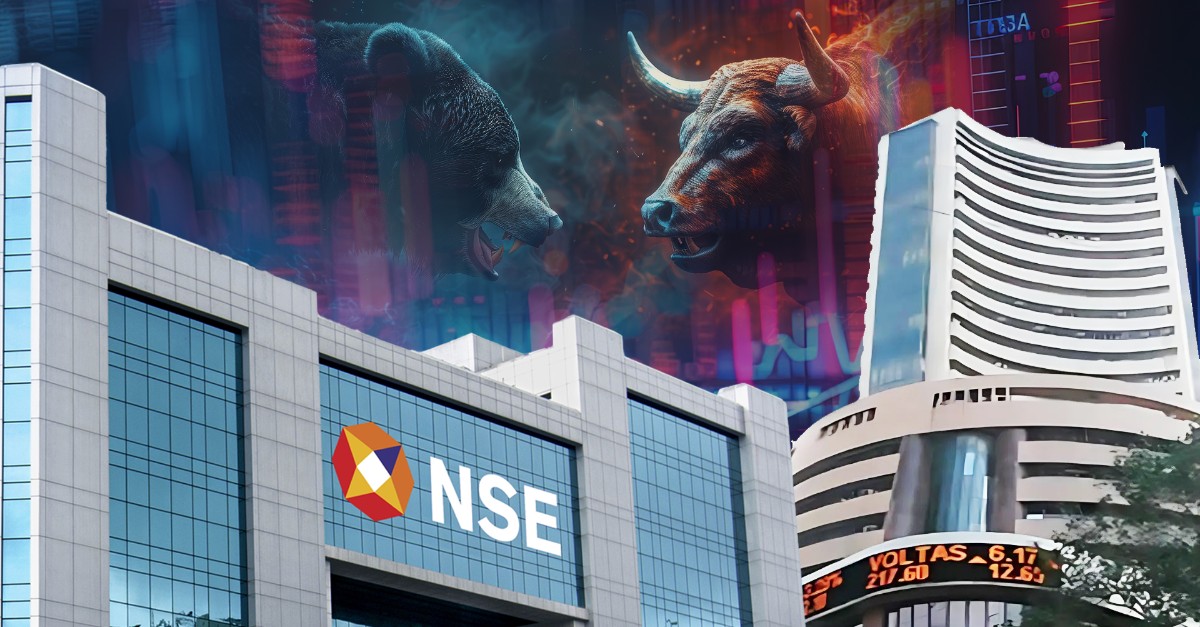
After a period of underperformance against global peers, the Indian stock market could be primed for upside, according to Jefferies, thanks to multiple tailwinds.
Desh Peramunetilleke, head of Asia strategy at the brokerage, has stated in his latest Asia Strategy note that the worst headwinds are over the for Indian market, including earnings per share downgrades and rupee depreciation.
At the same time, relative valuations for Indian equities have cooled significantly, even touching 'average' levels. As a result, the Indian market has become a far more favourable entry point for investors.
In addition, Jefferies is projecting a robust earnings growth of 16% for FY27, an expansion that will be driven by heavyweights in the automobile, banking and power sectors as well as consumer goods.
Although the stars are aligning for the Indian market, Jefferies warns that absolute returns could still be limited.
While domestic liquidity remains a strong growth pillar, the market must absorb a large supply of new equity issuance. And despite the correction in relative valuations, absolute valuations still remain high.
For its 2026 portfolio strategy, Jefferies is betting on domestic cyclical recovery and infrastructure.
The firm favors banks, cement, power, and the automobile sector—specifically two-wheelers. It also highlighted opportunities in real estate, hospitals, and the travel and lodging segment.
The electronics manufacturing services (EMS) and consumer durables spaces also remain preferred bets, despite the recent drawdown in EMS giant Kaynes Technology.
On the other hand, Jefferies is not very constructive on traditional defensive and export-oriented sectors, maintaining a wary stance on consumer staples, information technology, and chemicals.
The coming few quarters could be a good indicator of Indian markets and whether it is headed, with respect to global peers.
Essential Business Intelligence, Continuous LIVE TV, Sharp Market Insights, Practical Personal Finance Advice and Latest Stories — On NDTV Profit.