- Global coffee prices hit record highs, raising cappuccino and latte costs sharply
- Consumers shift to cheaper coffee options like drive-throughs and home brewing
- High-end arabica bean prices doubled due to poor weather and tariffs in Brazil
Global coffee prices rose to record highs this year, sending the cost of cappuccinos and lattes soaring. But a caffeine habit is hard to kick.
So instead of giving up their daily brew, people are choosing cheaper options such as drive-through baristas or whole beans delivered to their door.
An array of data, including visits to US coffee shops and international consumer surveys, point to a growing shift in coffee drinkers' habits that mirrors how consumers of everything from burritos to beef steaks are adapting to persistent inflation.
It's a business trend that's raising competition for some of the biggest chains, but also a cultural shift among cost-conscious members of Gen Z.
“Coffee shops lost a bit of the shine, a bit of momentum as the home market grew,” said James Hoffmann, a coffee connoisseur, YouTube influencer and co-founder of roasters Square Mile Coffee. The cheaper end of the market will keep expanding because “there are cost pressures on people, they need caffeine,” he said at Europe's coffee-shop summit in Berlin last month.
The price of high-end arabica beans favored by chains such as Starbucks Corp. has surged over the last year as global supplies, largely from Brazil, were hit by a combination of poor weather and tariffs. Even with the recent pullback after President Donald Trump backed away from some trade levies, New York futures are trading at about $3.54 a pound, more than double the average level seen over the past two decades.
The median price of a regular cup of coffee on menus across the US has risen almost 20% since early 2023, according to data compiled by Toast, which provides point-of-sale systems to restaurants.
Even cheaper options for decent homemade coffee — private-label brands that are produced by roasters but sold under a major retailer's own brand name — are “increasingly more important when budgets are tight,” said Jeffrey Young, managing director at research firm Allegra Strategies.
Westrock Coffee, a private-label manufacturer with a ready-to-drink plant in Arkansas that opened last summer, is already getting demand that exceeds its capacity and building new production lines, said Chief Operating Officer Will Ford.
Among people without the time or the inclination to brew coffee at home, behavior is also changing.
Locations in the US that specialize in cheaper drive-through and convenience store coffees are seeing growth in customer visits, some in the double-digits, said RJ Hottovy, the head of analytical research at Placer.ai, which estimates foot traffic. In contrast, established chains Starbucks and Tim Hortons Inc. — which also have drive-throughs — saw declines in per-store visits from January to November from a year earlier.
Starbucks Chief Executive Officer Brian Niccol said on a call with analysts earlier this year that the company's three businesses — in-store, drive-through and digital — “are each substantial on their own.” He said in October that customer value perceptions had strengthened across all generations for the fiscal year, as the company snapped a six-quarter decline in sales at established stores.
The company also has not raised prices in fiscal 2025, a spokesperson said.
A Tim Hortons spokesperson said the company serves both coffee and other food options “with strong everyday value that is highly competitive versus our peers.” The spokesperson said the company's internal figures for traffic are higher than Placer.ai's estimates, but declined to share specific numbers.
The expanding chains have “done a good job keeping that average cup of coffee or coffee-based drinks relatively cheap,” Hottovy said. They are also benefiting from rural and suburban population growth where coffee shops are less concentrated, he said.
Companies like 7 Brew Drive-Thru Coffee are opening new stores to meet demand.
“To continue to grow and be successful, we don't need the coffee market to expand,” said Scott Romanoff, a co-managing partner at Franchise Equity Partners, which bought a majority stake in the second-largest franchise owner of 7 Brew in September. The company can keep taking market share away from legacy chains, he said.
These various trends come together in what could be a generational shift away in how and where people drink coffee.
There's been a surge in popularity on TikTok of Gen Z users who share their tricks for emulating the coffee shop experience on a budget, from making cold brew in their refrigerators to bulk-buying plastic cups for iced lattes. The number of posts featuring the hashtags #HomemadeCoffee or #CoffeeMaker have doubled over the past year, according to figures from the social media company.
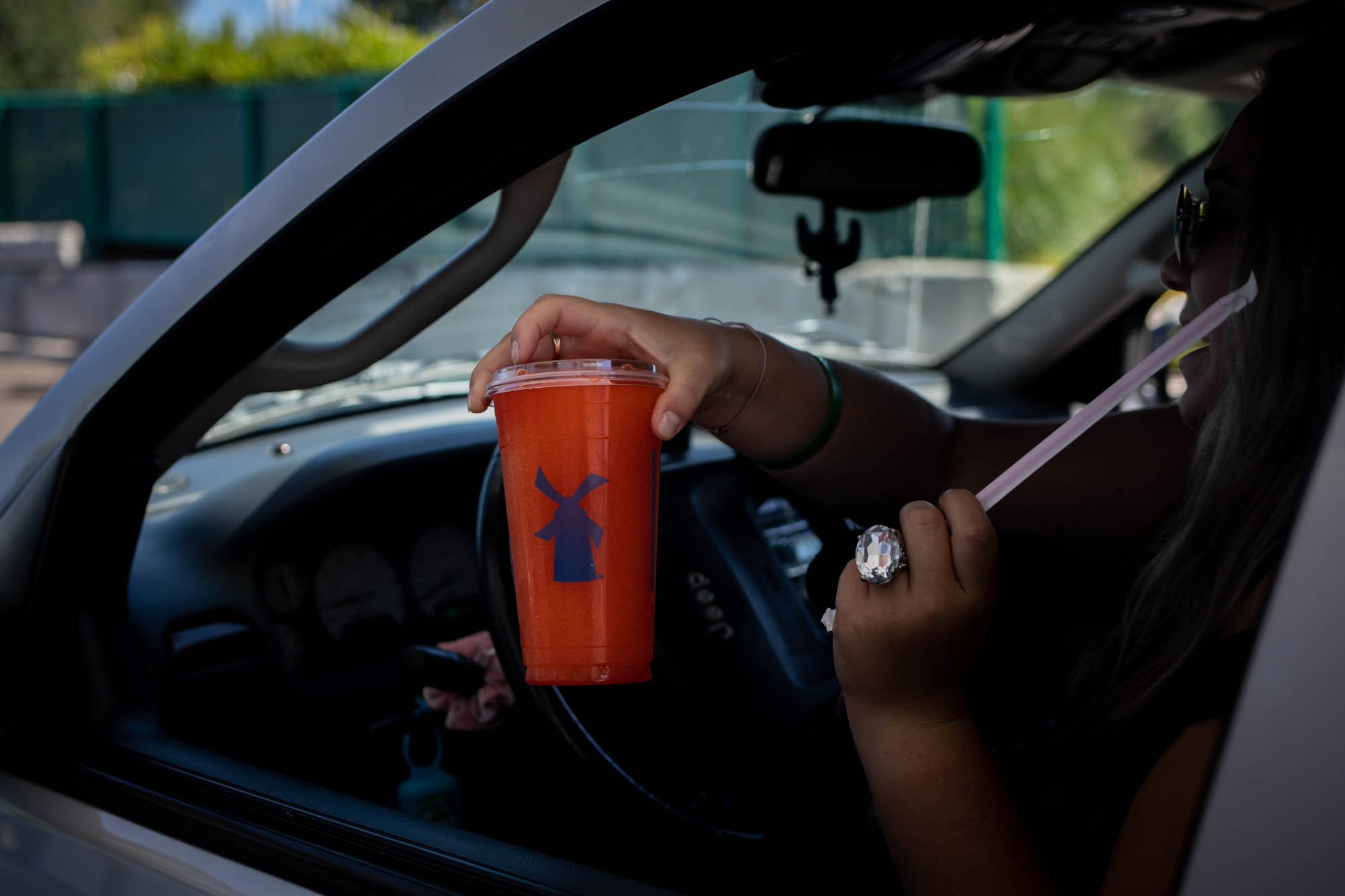
Fueling this trend are people like 27-year-old Abi Whitlock, the self-styled “7Brew Lovin' Bestie” from central Illinois who enthusiastically reviews beverages from the driver's seat of her car for 62,000 followers. Or Gill Riley, a 20-year-old American attending college in Barcelona, who shares tricks like foaming milk at home with a French press.
Even with all the cost pressures, human nature is likely to keep coffee shops alive, Hoffmann said in Berlin.
“I still like hanging out with people, and coffee shops remain the place to do that,” he said.
Riley said she might be inclined to grab a cup in a coffee shop more often if prices came down. But for now she “can just make coffee at home and it's a lot easier and a lot cheaper.”
The World's Top Coffee Producer Is Switching Up Its Beans. What That Means For YouEssential Business Intelligence, Continuous LIVE TV, Sharp Market Insights, Practical Personal Finance Advice and Latest Stories — On NDTV Profit.