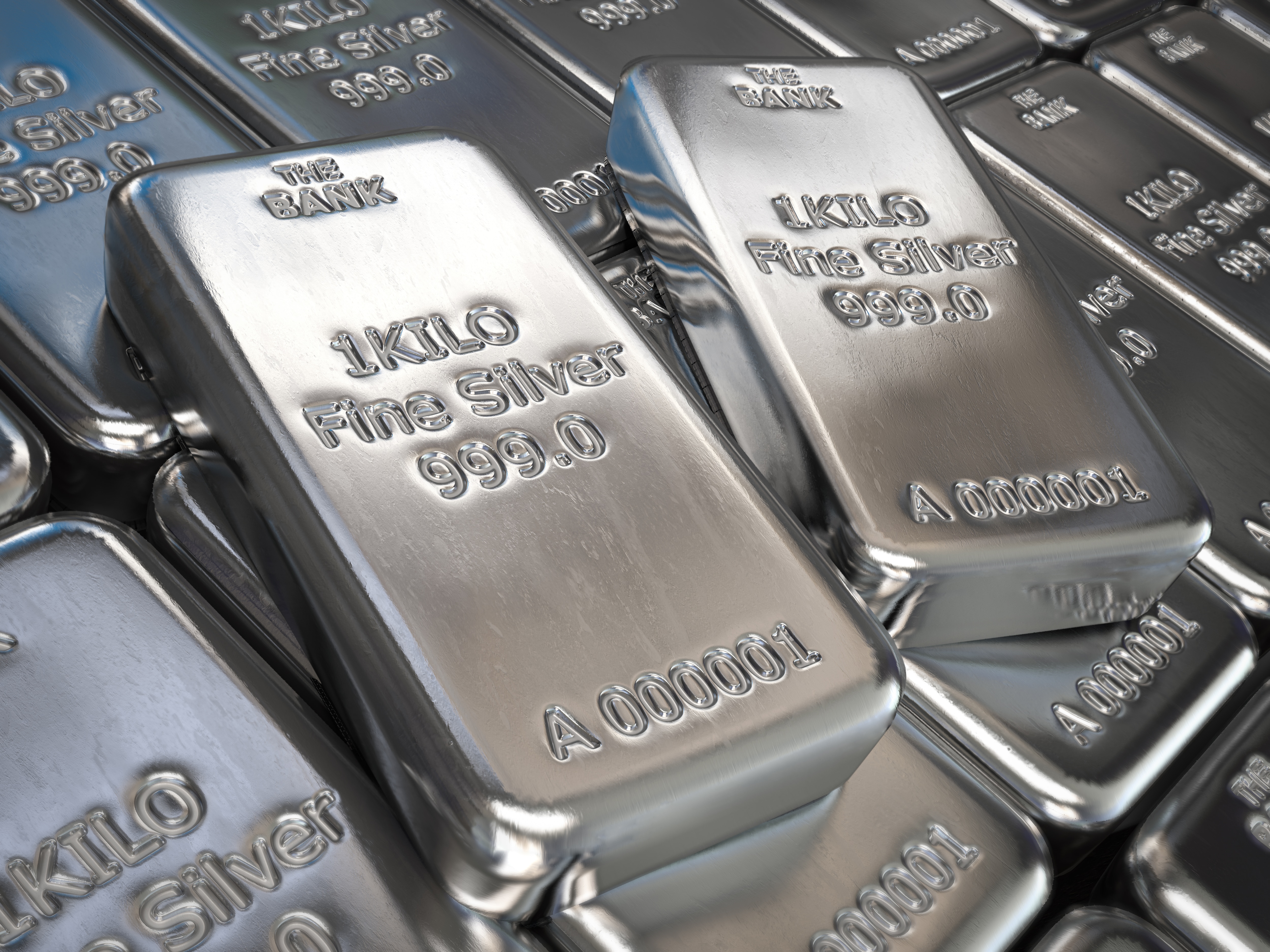
The inclusion of Silver Exchange Traded Funds (ETFs) into the investment universe of the National Pension System (NPS) has been seen as a welcome regulatory decision that promises to redefine both client diversification and market liquidity.
In a conversation with NDTV Profit around the precious metal's rising prominence, Thomas Stephen, associate director and head at Anant Rathi Stock Brokers, framed PRFDA's move as a catalyst for growth. He noted that there will be impact on two distinct fronts.
"For clients, this is an opportunity to diversify their asset classes," he stated, adding, "Though the exposure is capped, I think this is a brilliant move."
The second, more structural benefit, targets the funds themselves. "Now for the ETF markets, what this does is that it narrows the spreads and thereby boosts liquidity."
For retail investors, Stephen urged a shift in focus away from market timing. "The question is not about timing the entry or exit into the Silver ETFs, it is for investors to understand what portion of their portfolio they want to invest into silver."
Outlook On Silver
Looking forward, the fundamental case for silver remains compelling, driven by its unique industrial demand. Given the escalating "demand for EVs, electronics and potential continued global uncertainty, so silver still has the potential to appreciate."
The metal's supply is structurally constrained because "silver comes as the byproduct of mining of other metals," Stephen said. This inelasticity supports price growth, as "the demand cannot expand exponentially in short periods of time. This structural in-elasticity supports for higher prices."
He went on to also issue a cautious note, warning that "investments might be volatile and corrections may come."
Stephen advised investors to monitor their allocation, suggesting that "If the allocation has exceeded the intended portion, investors can book some profits." Further, for those with a horizon "of over four years, then they should invest via SIPs rather than a lumpsum.”
Essential Business Intelligence, Sharp Market Insights, Practical Personal Finance Advice, Daily Fuel, Gold and Silver Prices and Latest Stories — On NDTV Profit.