Buyback Boom Is Over: Tax Changes Trigger A 79% Slump In Issuances In 2025
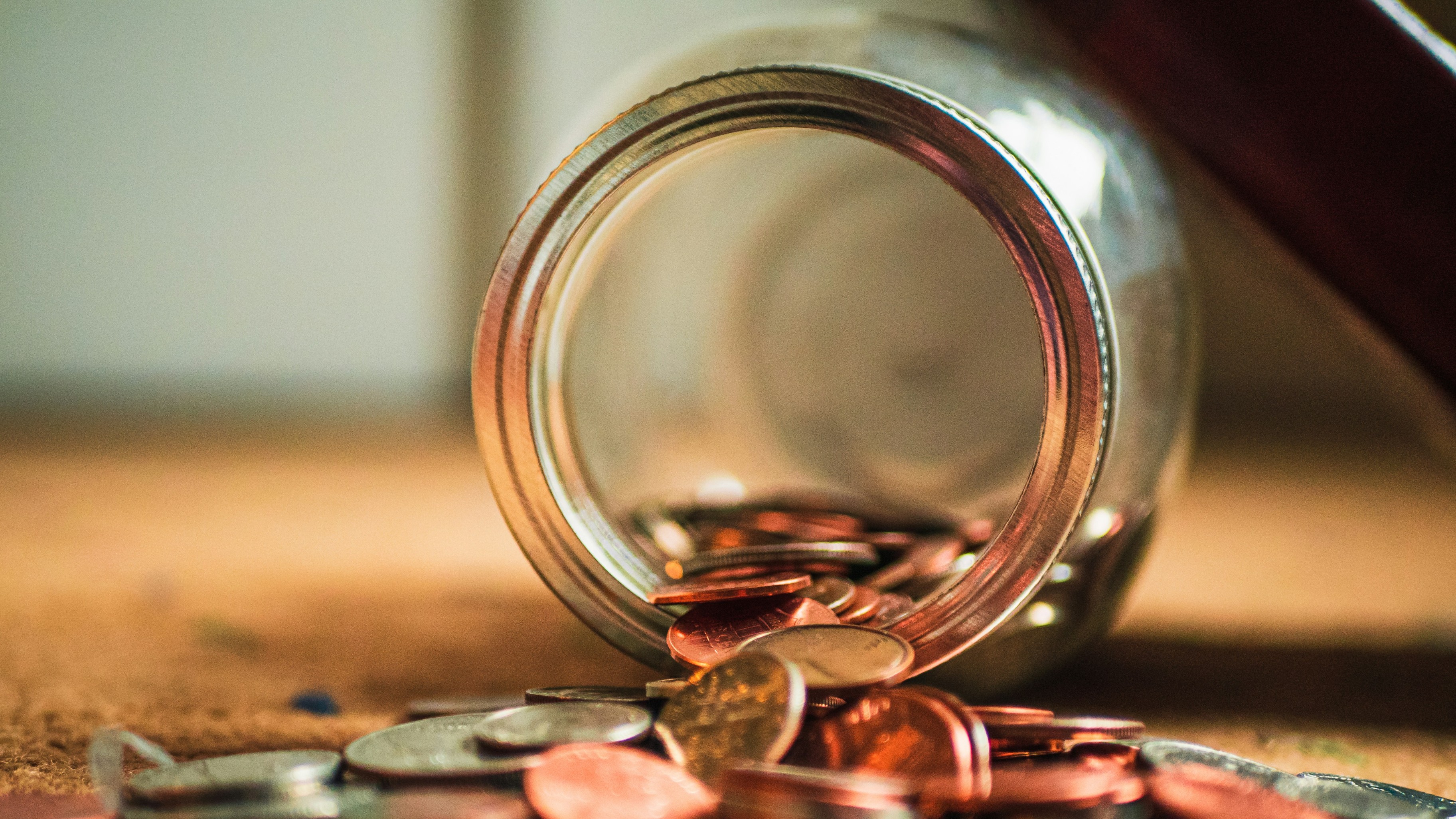
India's share buyback market is facing a historic slump in 2025, with activity collapsing after the government dismantled the tax arbitrage that had long made buybacks an attractive tool for returning cash to shareholders. The drop is sharper than anything recorded during the pandemic or previous market downturns, signalling a deeper structural shift.
79% Drop in Activity; Infosys Masks The Real Collapse
Buyback issuances have fallen nearly 79% this year. Only 10 companies have announced buybacks so far, compared with 47 in 2024.
While the headline value for 2025 stands at Rs 19,215 crore, this largely comprised of the the Rs 18,000-crore Infosys buyback. Stripping out Infosys, the market-wide buyback value is barely Rs 1,215 crore, down drastically from Rs 13,512 crore last year.
This makes 2025 the weakest year for buybacks in almost a decade.
Tax Switch That Upended A Popular Strategy
The steep decline follows the removal of the Buyback Distribution Tax (BDT) in October 2024. Under the old system, companies paid tax before buying back shares, and investors received the entire payout tax-free, making buybacks more efficient than dividends.
The new regime reverses this advantage. The entire buyback amount is now classified as dividend income and taxed directly in the hands of investors. For those in higher slabs, the effective tax can reach over 35%, destroying the primary incentive behind participating in buybacks
Promoters Step Back; Corporate Playbook Changes
Companies may be deferring or scrapping buyback plans, and promoters participants may be avoiding tenders because of higher personal tax costs.
The Infosys buyback highlighted this shift. Despite the programme's massive Rs 18,000 crore size, promoters chose not to tender any shares. While this signals confidence in the company's long-term performance, it also reflects the increased tax burden under the revised rules.
Historical Data Shows 2025 Is An Outlier
From 2018 to 2023, India's buyback landscape remained strong despite economic slowdowns, volatile markets, and even the Covid-19 crisis. The number of annual buybacks consistently ranged between 40 and 67, and buyback values regularly crossed Rs 30,000–Rs 45,000 crore.
The dramatic collapse in 2025 stands out even against years marked by global uncertainty. Weak equity sentiment may have contributed this time, but earlier downturns like 2019 slowdown and 2020 pandemic shock still saw significantly more activity. The current downturn seems clearly policy-driven.
Long-Term Effects: A Shift Towards Dividends Ahead
With the tax advantage gone, buybacks are no longer the most efficient tool for capital distribution. Companies are increasingly likely to shift back to traditional dividends or explore alternative capital return options.
Early data suggests the buyback market may remain subdued unless the tax policy is revisited. The 2025 numbers indicate the end of a buyback-heavy era - a trend once powered by favourable tax treatment but now fundamentally reset.

-
Why Amazon And Flipkart Are Struggling To Beat Meesho In India's Smaller Cities

With 274 million users and lowest-cost logistics, Meesho is defending its value commerce crown against giants like Amazon and Flipkart.
-
High US Salaries, No Green Card Certainty: The Financial Calculation Facing Indian H-1B Families
The suspension of PERM processing at eight technology employers does not cancel existing H-1B visas. What it does is force a question many Indian families have been avoiding: is the US salary worth tying your career and family plans to one employer?
-
Swiggy vs Eternal: Food Delivery's Two Rivals Are No Longer In The Same Race
Eternal is building a private AI assistant, dark.ai. Swiggy is still working out how to make Instamart pay, with an operating loss of Rs 895 crore in the July-September quarter while Blinkit stayed profitable.
-
Where You Live Shapes How You Get To Work | The Reason Why
Two-wheelers are the most popular way to get to work in India, accounting for nearly 43% of workplace commutes.
-
Unhedged Position: Can India See An Indonesia-Style Time Correction?
The Nifty is trading below levels it first clocked in 2024. Is there, then, as I have suggested in the headline, potential that the current time correction drags on painfully for the next three-five, even ten years?
-
Navigating Friction And Energy Realities: An Analysis Of Marco Rubio's October Visit To India
Occurring at a critical juncture marked by stalled trade negotiations and escalating geopolitical pressures over global energy supplies, the visit offers a profound window into modern US-India relations.
-
India Exports Capital. Why Not Export Trusteeship?
The big question, then, is whether India can build an institution that global borrowers, investors, banks, and lawyers can trust, even without an Indian connection.
-
France's Economy & Politics Are In Crisis | The Reason Why
Let's look at how the French economy and politics evolved under Nicolas Sarkozy, Franois Hollande and Emmanuel Macron.
-
You May Inherit The Business. You Must Earn Its Credibility.
Succession tests the founder's ability to share authority as much as it tests the next generation's readiness to assume it.
-
Signing Deals Is One Thing; Making Them Work Is Another | The Week In Whys
Sometimes, things don't turn out as planned. Indian companies have lost some bids to rivals, some projects won't produce until 2030.










