SEBI Closes Co-location Case Against NSE Without Further Action
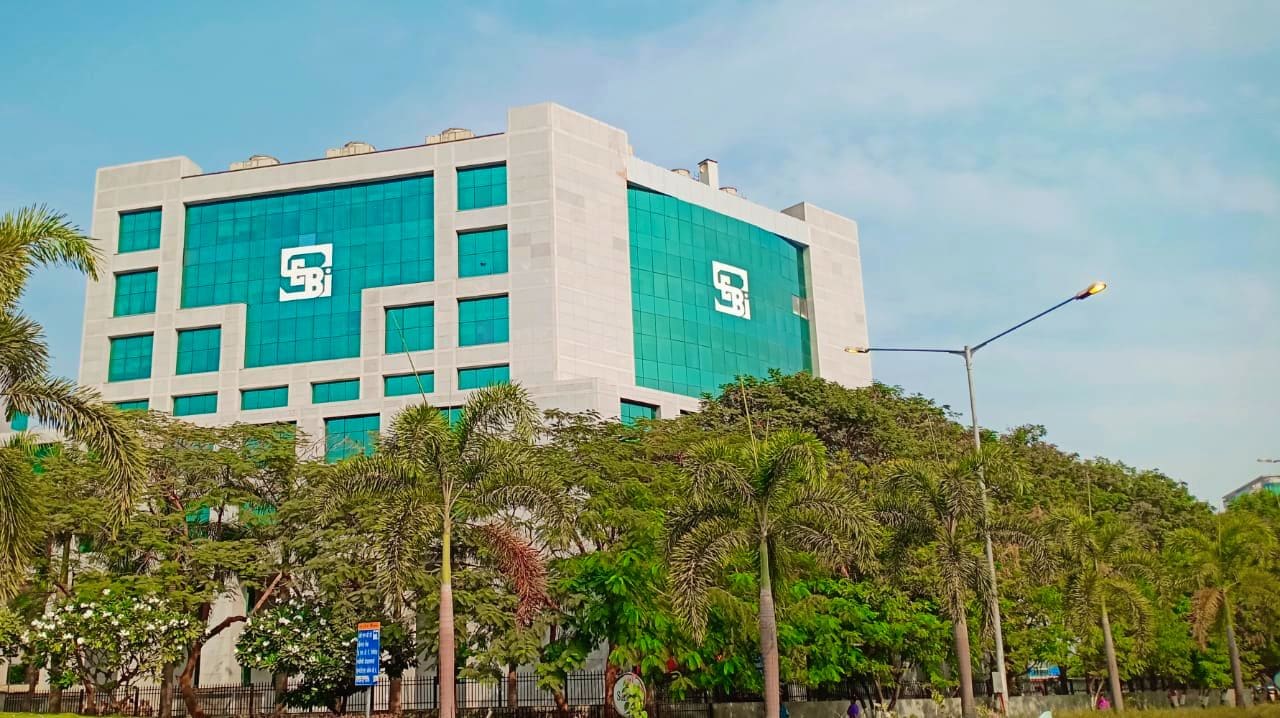
The Securities and Exchange Board of India has officially closed its proceedings against the National Stock Exchange and other associated parties in the long-standing co-location matter. This decision, announced today, comes after a thorough review prompted by a series of appeals and orders issued by the Securities Appellate Tribunal.
The co-location case, which has been a long-standing issue, involved individuals such as Chitra Ramkrishna and Ravi Narain, who were among those at the helm of affairs when the alleged irregularities took place. These individuals, along with others, were scrutinised by the regulators as they investigated the matter, which centred on allegations of unfair access to the exchange's servers and systems.
It is interesting to know that this case became a roadblock for NSE's IPO approval.
The case began with SEBI's order dated April 30, 2019, which addressed issues related to NSE's co-location facility—a system that allows trading members to colocate their servers at the exchange's data centre.
This order was subsequently challenged in appeals before the SAT, leading to the Jan. 23, 2023, SAT ruling, which was the basis for the recent proceedings.
In its January 2023 decision, the SAT evaluated several appeals, including those filed by NSE and individuals such as Narain and Ramkrishna. The Tribunal's review also included OPG Securities Private Limited and its directors, challenging SEBI's earlier sanctions.
The SAT's ruling showed a lack of evidence for systemic malpractices, though it did point to human errors in IP allocation and system monitoring.
The SAT found that NSE's system architecture provided fair and transparent data access but identified issues with the allocation of IPs and a failure to adequately monitor server connections. Despite these shortcomings, the SAT did not find violations of the market regulator's regulations.
SEBI's recent review reaffirmed the SAT's findings, noting that no new evidence had emerged that would substantiate allegations of collusion or conspiracy. Reports from the Indian School of Business (ISB) and Deloitte, which were reviewed in the proceedings, did not contribute new insights or evidence of collusion.
As a result, SEBI has decided to close the case without issuing any new directives.

-
The Economic Imperative: Analysing The Material Driving Force Behind India-Canada Strategic Reset

This economic complementarity is further reinforced by deep institutional investment ties and talent mobility, which form the bedrock of the bilateral framework.
-
Medicine Pricing: Where Must Profit Stop?
India must confront excessive margins, hidden incentives and regulatory gaps that threaten the integrity of medicine.
-
Why Amazon And Flipkart Are Struggling To Beat Meesho In India's Smaller Cities
With 274 million users and lowest-cost logistics, Meesho is defending its value commerce crown against giants like Amazon and Flipkart.
-
High US Salaries, No Green Card Certainty: The Financial Calculation Facing Indian H-1B Families
The suspension of PERM processing at eight technology employers does not cancel existing H-1B visas. What it does is force a question many Indian families have been avoiding: is the US salary worth tying your career and family plans to one employer?
-
Swiggy vs Eternal: Food Delivery's Two Rivals Are No Longer In The Same Race
Eternal is building a private AI assistant, dark.ai. Swiggy is still working out how to make Instamart pay, with an operating loss of Rs 895 crore in the July-September quarter while Blinkit stayed profitable.
-
Where You Live Shapes How You Get To Work | The Reason Why
Two-wheelers are the most popular way to get to work in India, accounting for nearly 43% of workplace commutes.
-
Unhedged Position: Can India See An Indonesia-Style Time Correction?
The Nifty is trading below levels it first clocked in 2024. Is there, then, as I have suggested in the headline, potential that the current time correction drags on painfully for the next three-five, even ten years?
-
Navigating Friction And Energy Realities: An Analysis Of Marco Rubio's October Visit To India
Occurring at a critical juncture marked by stalled trade negotiations and escalating geopolitical pressures over global energy supplies, the visit offers a profound window into modern US-India relations.
-
India Exports Capital. Why Not Export Trusteeship?
The big question, then, is whether India can build an institution that global borrowers, investors, banks, and lawyers can trust, even without an Indian connection.
-
France's Economy & Politics Are In Crisis | The Reason Why
Let's look at how the French economy and politics evolved under Nicolas Sarkozy, Franois Hollande and Emmanuel Macron.










