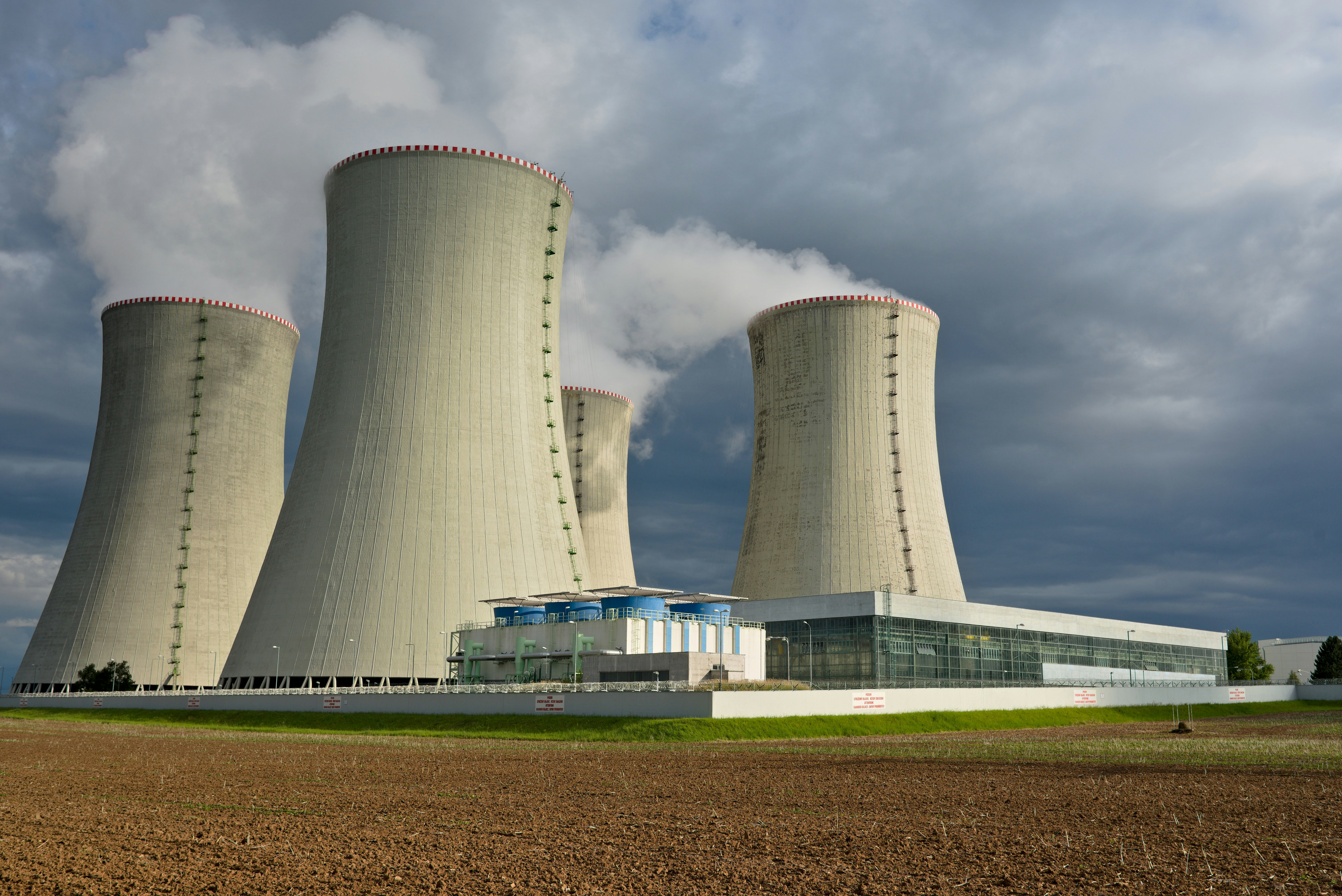
- The Parliament approved the SHANTI Bill 2025 allowing private sector in India's nuclear energy
- Rajya Sabha passed the bill by voice vote after Lok Sabha approval, now awaiting President's nod
- Private firms can build and operate nuclear plants, but key controls remain with Union government
The Parliament on Thursday approved the 'SHANTI Bill 2025' that allows private sector entry in India's nuclear energy. The Rajya Sabha passed the The Sustainable Harnessing and Advancement of Nuclear Energy for Transforming India Bill, 2025 via a voice vote.
The bill, which was approved by the Lok Sabha a day ago, will now head to President Droupadi Murmu for final approval.
The SHANTI Bill allows private companies and joint ventures to apply for licences to build, own and operate nuclear power plants, marking a significant shift from India's long-standing state-dominated nuclear power framework. However, the draft law makes it clear that core strategic levers will remain with the Union government, particularly the Department of Atomic Energy.
Under the proposed legislation, nuclear power tariffs will be fixed by the Centre, overriding the Electricity Act, 2003. The move effectively classifies nuclear power as strategic infrastructure rather than a market-priced commodity.
L&T To MTAR Technologies: Shanti Bill Clears Way For Nuclear Private Players — Check Key BeneficiariesThe Bill also rewrites India's nuclear liability framework. It places primary liability for nuclear damage on the plant operator, while capping liability at 300 million Special Drawing Rights (SDR) per incident — roughly Rs 3,300–3,500 crore. The government will step in to cover compensation beyond the cap and in cases involving natural disasters, war or terrorism.
The government said the SHANTI Bill is aimed at accelerating nuclear capacity addition to support India's clean energy transition, round-the-clock power requirements for data centres and advanced manufacturing, and long-term energy security.
Minister of State in the Department of Atomic Energy Jitendra Singh introduced the bill the upper house earlier today.
"India's nuclear plants are located in such a way that they are far away from seismic vulnerability. On the east, the nearest seismic zone is in Indonesia, about 300 km from the Kudankulam plant; on the west, the nearest seismic zone is Makran, Pakistan, roughly 1,300 km away," he said.
Nuclear Energy Bill 2025: Decoding Safety, Liability And ModernisationEssential Business Intelligence, Sharp Market Insights, Practical Personal Finance Advice, Daily Fuel, Gold and Silver Prices and Latest Stories — On NDTV Profit.