IBC: Legal Experts On Changes In Regulations For Liquidation Process
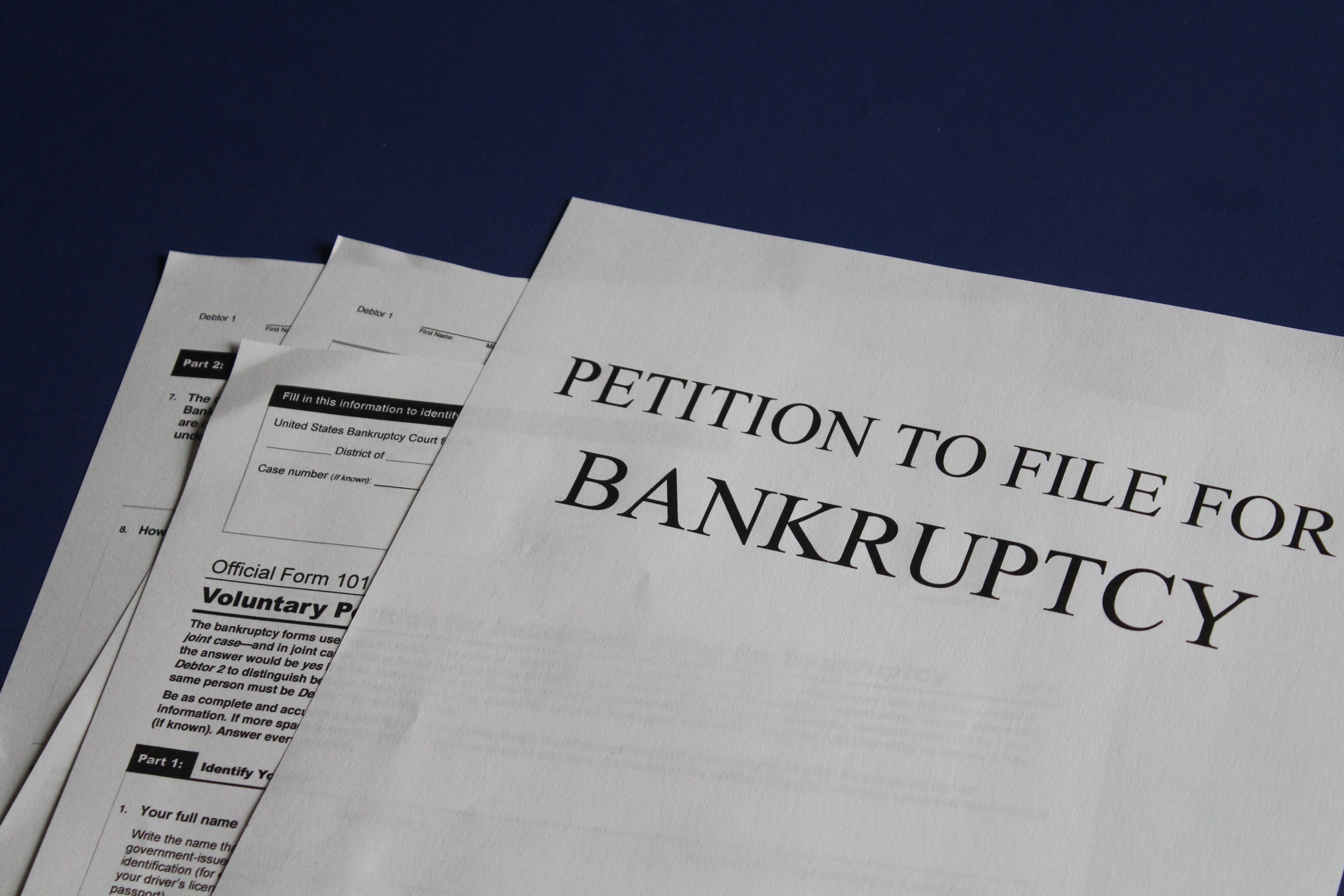
The Insolvency and Bankruptcy Board of India has brought in significant changes to the liquidation process with an aim to reduce the time taken for such proceedings.
IBBI is the agency responsible for implementing the Insolvency and Bankruptcy Code, 2016, and makes regulations for the process of insolvency resolution.
The amendments introduced by the board are aimed at streamlining the liquidation process by reducing delays and to help realise better value for the liquidated entity.
The key changes include:
CoC To Function As SCC For The First 60 Days
The Committee of Creditors is now allowed to function as Stakeholders Consultation Committee in the first 60 days of liquidation.
Once the claims are decided and admitted, the stakeholders committee would be reconstituted based on the admitted claim for the liquidation proceedings.
Earlier, SCC was appointed within 60 days of commencement of liquidation during which the liquidator took important decisions without the guidance of SCC.
The functions of the SCC have also been increased under the new amendments, elevating it to a status closer to that of Committee of Creditors.
The amendment brings the liquidation process in similar lines to that of the insolvency resolution process and democratises it, says Piyush Mishra, partner at Luthra and Luthra Law Offices.
A more transparent and consultative process has been brought about, Mishra said.
Claim Collated During CIRP To Be Deemed Claim During Liquidation
As per the new amendments, if a stakeholder fails to submit his claim, then the claim he submitted during the insolvency resolution process will be considered as his claim during the liquidation process as well.
This change will help in reducing duplication of process that has already been undertaken, said Ashwyn Misra, partner at Trilegal.
Mishra pointed out that liquidation is an extension of corporate insolvency resolution process. There is no reason why claims submitted during CIRP shouldn't be taken into consideration at a later stage, he said.
SCC Can Now Replace Liquidator With Ease
The amendments also include changes in the process of replacing a liquidator for the liquidation proceedings.
After the amendments, a liquidator can be replaced with 66% votes of the stakeholders consultation committee.
The new framework addresses a great difficulty from the earlier regime and is a regulatory positive, said Mishra.
Earlier, we were wound up in a philosophy that the liquidator should act independently. But the fact remains that liquidation is an extension of CIRP and not merely a piecemeal sale of assets. Therefore, the process should ideally be made closer to the CIRP process. This amendment allows us to bridge the gap between both processes by allowing stakeholders to participate in the liquidation.Piyush Mishra, Partner, Luthra and Luthra Law Offices
Stricter Timelines For Auction, Compromise
There are various amendments introduced to ensure that the liquidation is completed in a timebound and structured manner.
It includes the following:
Timelines for auction process is provided under the new regulations. The auction shall be completed within 45 days from the commencement of liquidation. Bidder can prove his eligibility within 14 days of public notice and earnest money shall be deposited at least two days prior to the auction.
Timelines are also provided for successive auctions. A notice for successive auction shall be issued within 15 days of the last failed auction.
Compromise application should now be made within 30 days of commencement of liquidation as against 90 days granted initially.
These changes will help in the liquidation process to be completed in a timely manner, said Misra.
The intent of IBC is to provide a timebound framework within which default of corporate debtor is addressed. Now, because of various reasons, the timelines provided in the code has become suggestive rather than mandatory, diluting the primary object of legislation. The new amendment is expected to bring back the discipline required in distressed asset resolution.Ashwyn Misra, Partner, Trilegal
Record Retention Post Liquidation
Regulations pertaining to retention of records have also undergone changes. As per the new amendments, documents should be physically retained for a period of three years instead of the earlier requirement of eight years. This brings liquidation regulation in line with that of CIRP.

-
One Battle After Another: India's Corporate Dynasties Battle For Control

2026 could go down as Corporate India's year of succession wars, governance battles and family fault lines.
-
Rs 50-Lakh Gold In Bank Locker, Rs 3 Lakh Of Protection: The Gap Most Families Don't Know About
The RBI ties a bank's liability to the annual locker rent and families who want to insure their jewellery face a separate question about how to prove what was inside.
-
The More Food Turns Into Fuel, The Harder It Is To Read Agricultural Markets | The Reason Why
A policy designed to reduce dependence on imported fuel can create new pressures elsewhere in the food economy.
-
Your iPhone Costs 12 Grams Of Gold, A Car About 100. What Does Your Life Weigh?
Measured in rupees, almost everything looks more expensive than it did a generation ago. Measured in grams of gold, a lot of it has become cheaper.
-
Gold Is Rs 22,000 Cheaper Than A Month Ago. Should You Buy Amid The Wedding Season?
Gold's potential slide to $3,500 could save around Rs 4,700 per 10 grams, but a soft inflation print could just as easily push prices back up. One way to split the risk is to buy in parts, some now and the rest after the Fed's Dec. 9 decision.
-
AI Agents Are Gaining Power. Who Governs Them?
Artificial intelligence agents promise to transform productivity by moving machines from assisting decisions to executing them. But as organisations delegate greater authority to these AI-agents, they must first establish who controls that authority and who remains accountable when things go wrong.
-
Why Swapping Your Old Gold Can Trigger A Rs 5 Lakh Tax Bill, And How You Can Avoid It Legally
Swapping old gold for new is taxed as a sale and a fresh purchase. Getting your own gold remade can cut most of that bill, though it has its own costs.
-
The AI Trade is Done. The Real Opportunity for Investors Starts in 2027 | Unhedged Position
As pureplay AI stocks plunge and circular, capex-led financing unwinds, 2027 is set to be a year of reckoning for AI companies. Yet the bust clears the way for a better opportunity for investors in 2027 -- shifting the spotlight from AI builders to the companies using AI.
-
Leadership As Mission: Why The Age Of AI Demands More Human Leadership
Debjani Ghosh examines how AI is changing leadership, arguing that its success must be measured by its impact on people and the accountability of those guiding its use.
-
We May Need Another Tukaram Mundhe To Fight Air Pollution | The Reason Why
Developers may install basic measures such as sprinklers and green nets, resume work, and continue violating rules when this equipment stops working.









