Adani-Hindenburg Case: Supreme Court Gives Clean Chit To Adani Group, Dismisses All Allegations
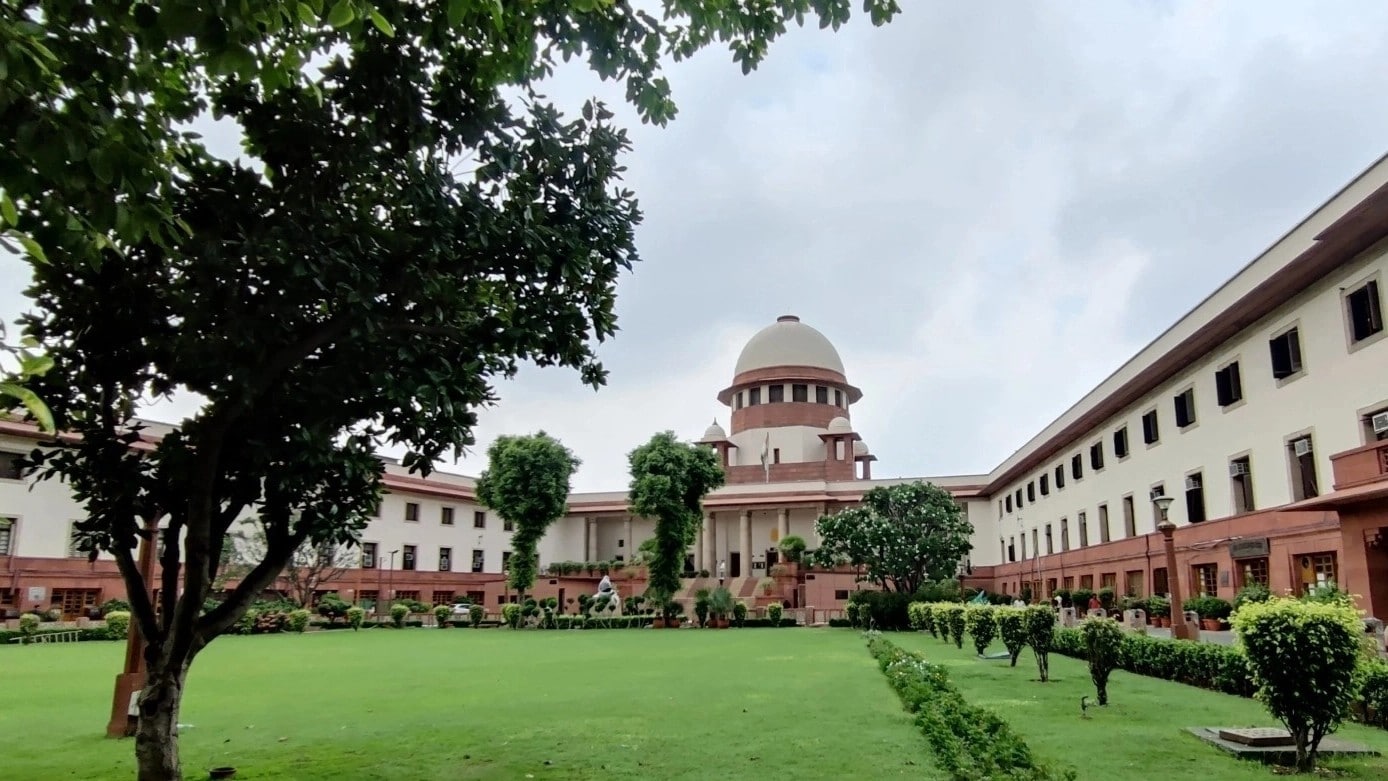
The Supreme Court reposed confidence in SEBI's powers and ruled that petitioners could not provide enough material to transfer the Adani-Hindenburg probe to a special investigation team.
The top court disposed of the petitions, finding that the "threshold for a transfer of investigation" has not been made out.
Grounds for transferring the investigation are deemed to be valid only in cases of deliberate rule violations, the court said.
The petitioners' reliance on DRI's letter pertaining to the 2014 allegation concerning over-valuation of coal imports "is inconclusive", Chief Justice of India DY Chandrachud said, while reading the judgment.
The court has further clarified that the Securities and Exchange Board of India's use of the term 'opaque structures', in relation to FPI regulations, was misinterpreted by the expert committee. FPI regulations didn't prohibit opaque structures, and beneficial owners could be identified, the court said.
"No valid reasons presented to force SEBI to withdraw amendments on FPI and LODR regulations. The regulations are considered sound, without any flaws," the court held.
Allegations of conflict of interest against members of Supreme Court-appointed expert committee are not sustainable, it said.
Noting that SEBI has completed investigation in 22 of 24 allegations, the top court asked the markets regulator to conclude the probe in the remaining two matters in three months.
However, the court has clarified that SEBI should take into account the expert committee recommendations, to strengthen investor interests.
The Story So Far
After Hindenburg Research's report and Adani Group's counter in January, four public interest petitions were filed before the apex court. The PILs had broadly asked for directions regarding allegations against the Adani Group.
On March 2, the Supreme Court directed SEBI to look into any disclosure breaches and possible price manipulation of Adani stock in violation of existing laws.
The regulator was directed to submit its report within two months. But in April, SEBI made submissions before the apex court asking for six months to conclude its investigation. The court, however, granted time only till Aug. 14.
Since the markets regulator required more time to complete the investigation, it filed an application before the court on Aug. 14 asking for 15 additional days. As per SEBI's last status report, which was submitted to the court on Aug. 25, the regulator had wrapped up its investigation in 22 of the 24 matters.
The Supreme Court had also set up an independent committee back in March. This committee was headed by Justice (retired) Abhay Manohar Sapre. Other members of the committee included OP Bhat, KV Kamath, Nandan Nilekani, Somashekhar Sundaresan, and retired Justice JP Devadhar.
The committee submitted its report before the top court in May, concluding that a regulatory failure by SEBI could not be ascertained.
During the last hearing in November, the top court had expressed confidence in the regulator and dismissed allegations doubting SEBI's role in the investigation.
Disclaimer: NDTV is a subsidiary of AMG Media Networks Limited, an Adani Group Company.

-
Signature Play: The Classic Cocktail Is Dead. Or Is It?

Classic cocktails are disappearing from India's cocktail menus. But they're still being ordered, taught to bartenders and borrowed from. So, who's really having the last drink?
-
A New Samvat Wishlist: Inclusive Prosperity And Human Development
India has strengthened its economic foundations through infrastructure, digital access and enterprise. Its next growth chapter must deepen productivity, create better livelihoods and widen participation in prosperity.
-
Love, Sex Aur Dhokha: The Audacious Plot To Spy On Jensen Huang
A Taipei dinner, a Singapore chip buyer and a suspected Chinese asset: inside the alleged spy operation that got close to NVIDIA's Jensen Huang.
-
Ten Things I Learnt This Samvat
Patience can be a trap. Cheap stocks can stay cheap. Leverage can wipe you out. What did Samvat 2082 teach us? Niraj Shah writes on 10 lessons from the year gone by.
-
Talking Points This Week: Tech Nerves, FII Buying, And A Faraway Banking Shock
The global markets are not shining this Diwali. The exception in the large markets is, India.
-
Midterm Rally Lasted A Day. The Hard Reality Of A Divided US May Last Two Years | Opinion
Between a contested AI boom, a debt ceiling that arrives in 2027 and a president with every incentive to act alone, the next two years may prove more volatile than the first day's rally suggests.
-
Blue Wave Will Derail the AI Trade but Won't Dismantle the AI Era | Unhedged Position
The Democrats' sweep of the US Congress will see politics collide with economic forces both over the long and short term.
-
It's Time To Take The GST Council's Bet On Trust Global
Payment records can prove India's services exports, and clear, proportionate rules can bring foreign digital sellers into the tax net.
-
Opinion | India at 38: From Innovation Overperformer to Innovation Powerhouse
India now has 453 VC-backed deep science startups, 18 of them late-stage, after 117 percent growth since 2020. Laurus Labs, at USD 9.3 billion, is the most valuable deep science company in any middle-income economy outside China.









