Starbucks Sells 60% China Stake To Boyu At $4 Billion Value
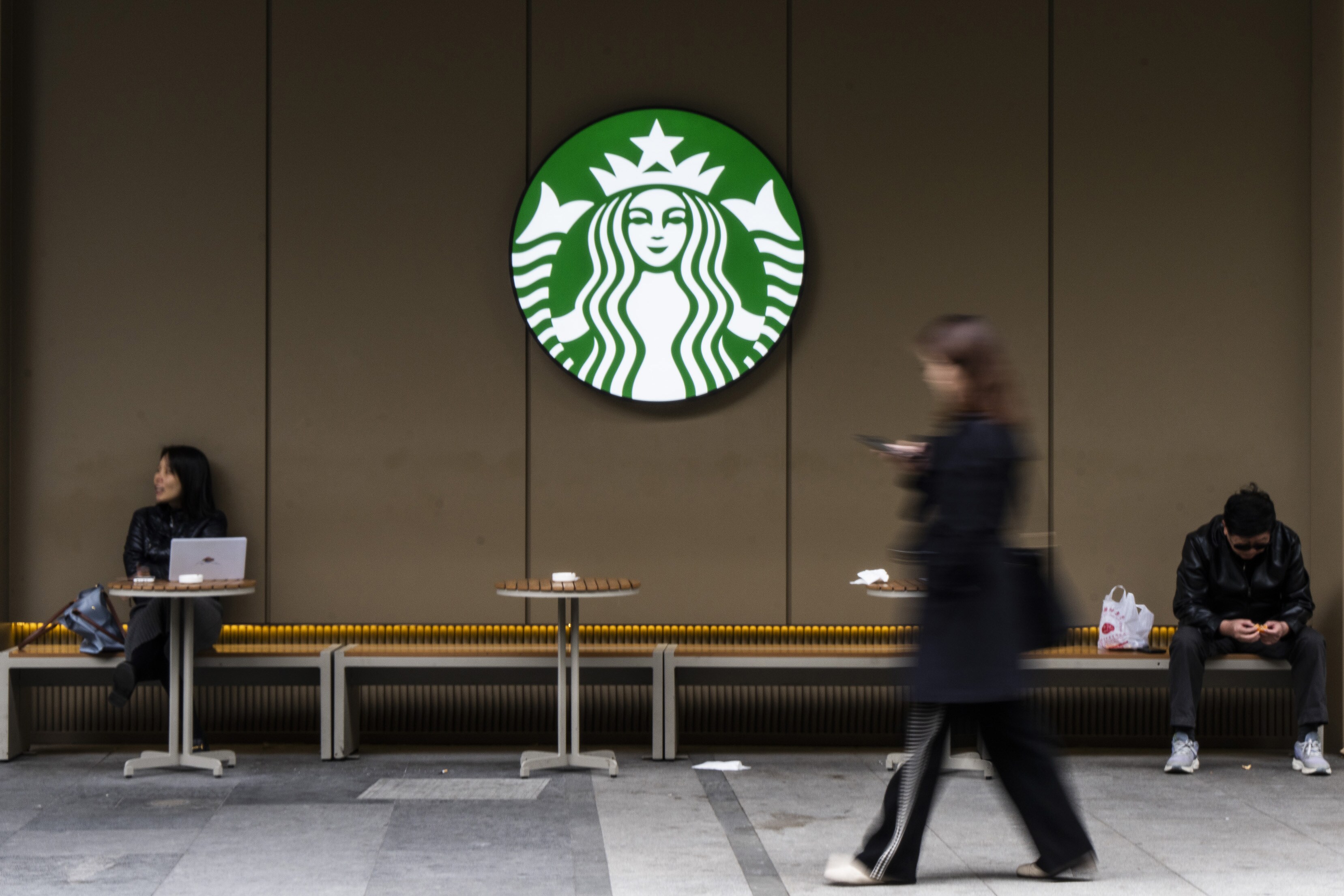
Starbucks Corp. agreed to sell a majority stake in its China business to private equity firm Boyu Capital at a $4 billion enterprise value in a bid to improve the coffee chain's fortunes in the country.
Boyu Capital will hold up to a 60% interest in Starbucks' retail operations in China through a new joint venture with the coffee seller, the companies said in a statement. Starbucks will hold the remaining 40% interest and will continue to license the brand and intellectual property to the joint venture.
The agreement marks the end of a search for a partner to help chart Starbucks' next chapter in China, where it has about 8,000 stores after opening its first outlet in Beijing in 1999. However, Starbucks has struggled in recent years, along with other Western companies that have lost ground to local rivals amid rising nationalism and reluctance to pay premiums for foreign brands.
Read More: Starbucks Struggles to Find a New Identity in Cutthroat China
Xiamen-based Luckin Coffee Inc. dethroned Starbucks as China's biggest coffee chain two years ago by selling coffee at one-third of its price. And while Starbucks' store format is expensive to upkeep, customers have become less willing to pay higher prices for its drinks since the Covid pandemic and ongoing economic downturn.
“Starbucks' store expansion has been restrained amid fierce competition from local rivals, and the deal is expected to accelerate growth with sufficient funds and Boyu's retail experience,” said Jason Yu, Shanghai-based managing director of CTR Market Research. “Boyu needs to balance Starbucks' brand positioning and its participation in price competition, otherwise it will harm its long-term profitability in China.”
Read More: Shanghai Is the World's Most Compelling Coffee City Right Now
Bloomberg previously reported that Boyu had emerged as the front-runner, and that Starbucks was evaluating five bids from potential suitors.
Founded in 2011 and based in the Cayman Islands, Boyu invests in private equity, public equities, real estate and infrastructure, according to its website. It also has a venture capital and renewable energy platform. Its private equity business invests in areas such as technology, consumer and retail and health care.
“We see a path to grow from today's 8,000 Starbucks coffeehouses to more than 20,000 over time,” Starbucks Chief Executive Officer Brian Niccol said in a blog post.
Comparable store sales in China rose 2% in the fourth quarter, helping the company post positive same-store sales growth for the first time in more than a year.
Starbucks expects the total value of its China retail business to exceed $13 billion, including the value of licenses, according to the statement.
The coffee seller's shares rose less than 1% at 6:17 p.m. in after-hours trading in New York. The stock has declined about 11% this year, trailing a nearly 17% advance by the S&P 500 Index.
As part of its efforts to lure back customers in China, Starbucks earlier this year opened free “study rooms” in some of its stores there. Under new China chief Molly Liu, the chain has also expanded its drinks menu to include more sugar-free options and teas catering to local tastes, slashed prices on a slew of beverages and upped its options for customizing orders. That's in contrast to recent moves in the US, where the menu has been simplified to boost operational efficiency.

-
One Battle After Another: India's Corporate Dynasties Battle For Control

2026 could go down as Corporate India's year of succession wars, governance battles and family fault lines.
-
Rs 50-Lakh Gold In Bank Locker, Rs 3 Lakh Of Protection: The Gap Most Families Don't Know About
The RBI ties a bank's liability to the annual locker rent and families who want to insure their jewellery face a separate question about how to prove what was inside.
-
The More Food Turns Into Fuel, The Harder It Is To Read Agricultural Markets | The Reason Why
A policy designed to reduce dependence on imported fuel can create new pressures elsewhere in the food economy.
-
Your iPhone Costs 12 Grams Of Gold, A Car About 100. What Does Your Life Weigh?
Measured in rupees, almost everything looks more expensive than it did a generation ago. Measured in grams of gold, a lot of it has become cheaper.
-
Gold Is Rs 22,000 Cheaper Than A Month Ago. Should You Buy Amid The Wedding Season?
Gold's potential slide to $3,500 could save around Rs 4,700 per 10 grams, but a soft inflation print could just as easily push prices back up. One way to split the risk is to buy in parts, some now and the rest after the Fed's Dec. 9 decision.
-
AI Agents Are Gaining Power. Who Governs Them?
Artificial intelligence agents promise to transform productivity by moving machines from assisting decisions to executing them. But as organisations delegate greater authority to these AI-agents, they must first establish who controls that authority and who remains accountable when things go wrong.
-
Why Swapping Your Old Gold Can Trigger A Rs 5 Lakh Tax Bill, And How You Can Avoid It Legally
Swapping old gold for new is taxed as a sale and a fresh purchase. Getting your own gold remade can cut most of that bill, though it has its own costs.
-
The AI Trade is Done. The Real Opportunity for Investors Starts in 2027 | Unhedged Position
As pureplay AI stocks plunge and circular, capex-led financing unwinds, 2027 is set to be a year of reckoning for AI companies. Yet the bust clears the way for a better opportunity for investors in 2027 -- shifting the spotlight from AI builders to the companies using AI.
-
Leadership As Mission: Why The Age Of AI Demands More Human Leadership
Debjani Ghosh examines how AI is changing leadership, arguing that its success must be measured by its impact on people and the accountability of those guiding its use.
-
We May Need Another Tukaram Mundhe To Fight Air Pollution | The Reason Why
Developers may install basic measures such as sprinklers and green nets, resume work, and continue violating rules when this equipment stops working.









