RBI Asks Payment Firms To Track High-Value, Suspicious Transactions During Elections
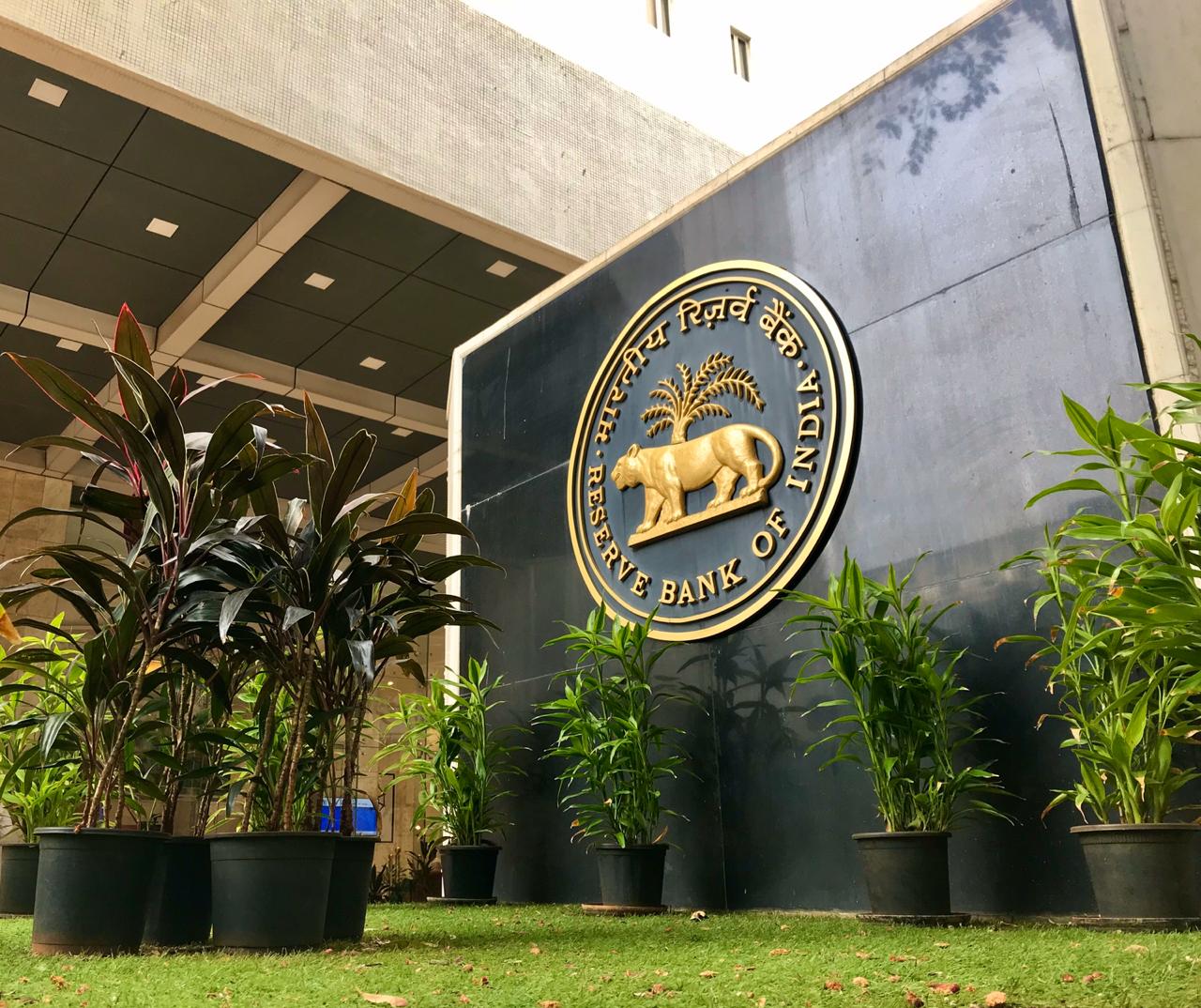
The Reserve Bank of India has asked non-bank payment system operators, or PSOs, to track any high-value or suspicious transactions through electronic modes of payment, according to a copy of the letter reviewed by NDTV Profit.
In the letter dated April 15, the regulator has asked PSOs to do the needful in light of Lok Sabha Elections 2024.
This is because various electronic modes of payment have the potential to be used for the transfer of money. This money is then used to influence voters or to fund the candidates participating in the elections, the RBI said.
"You are accordingly advised to do the needful and report high-value/suspicious transactions to the appropriate authorities or agencies as per the guidelines issued by the ECI from time to time," RBI said in the letter.
The development also comes after the Election Commission of India raised concerns in this regard. It also recommended taking appropriate action when necessary.
The letter was sent by the regulator on April 15, that is, before the commencement of Lok Sabha elections in India. This time, the Lok Sabha elections will take place in seven phases, commencing on April 19 and concluding on June 1.
The date of counting has been set for June 4, 2024.
"This missive compliments the Election Commission MCC (Model Code of Conduct), which is similar to reporting mandates for banks over a defined threshold," said Mandar Kagade, founder and principal of Black Dot Public Policy Advisors.
However, he added that it's curious that the letter uses "suspicious/high-value" in its framing suggesting either large or suspicious transactions have to be reported. "Trustfully, PSOs will appropriately apply context in interpreting the letter and not flag transactions merely because they are high-value."

-
Talking Points This Week: Leadership Shock At Nvidia, Earnings Strength, And The Fog Over Hormuz

The Anthropic IPO pricing and first trading day, Nvidia's upcoming earnings, and any fresh signals from Iran will set the tone for the following week.
-
Signature Play: The Classic Cocktail Is Dead. Or Is It?
Classic cocktails are disappearing from India's cocktail menus. But they're still being ordered, taught to bartenders and borrowed from. So, who's really having the last drink?
-
A New Samvat Wishlist: Inclusive Prosperity And Human Development
India has strengthened its economic foundations through infrastructure, digital access and enterprise. Its next growth chapter must deepen productivity, create better livelihoods and widen participation in prosperity.
-
Love, Sex Aur Dhokha: The Audacious Plot To Spy On Jensen Huang
A Taipei dinner, a Singapore chip buyer and a suspected Chinese asset: inside the alleged spy operation that got close to NVIDIA's Jensen Huang.
-
Ten Things I Learnt This Samvat
Patience can be a trap. Cheap stocks can stay cheap. Leverage can wipe you out. What did Samvat 2082 teach us? Niraj Shah writes on 10 lessons from the year gone by.
-
Talking Points This Week: Tech Nerves, FII Buying, And A Faraway Banking Shock
The global markets are not shining this Diwali. The exception in the large markets is, India.
-
Midterm Rally Lasted A Day. The Hard Reality Of A Divided US May Last Two Years | Opinion
Between a contested AI boom, a debt ceiling that arrives in 2027 and a president with every incentive to act alone, the next two years may prove more volatile than the first day's rally suggests.
-
Blue Wave Will Derail the AI Trade but Won't Dismantle the AI Era | Unhedged Position
The Democrats' sweep of the US Congress will see politics collide with economic forces both over the long and short term.
-
It's Time To Take The GST Council's Bet On Trust Global
Payment records can prove India's services exports, and clear, proportionate rules can bring foreign digital sellers into the tax net.
-
Opinion | India at 38: From Innovation Overperformer to Innovation Powerhouse
India now has 453 VC-backed deep science startups, 18 of them late-stage, after 117 percent growth since 2020. Laurus Labs, at USD 9.3 billion, is the most valuable deep science company in any middle-income economy outside China.









