RBI's Norms On Exchange-Traded Currency Derivatives Deferred To May 3
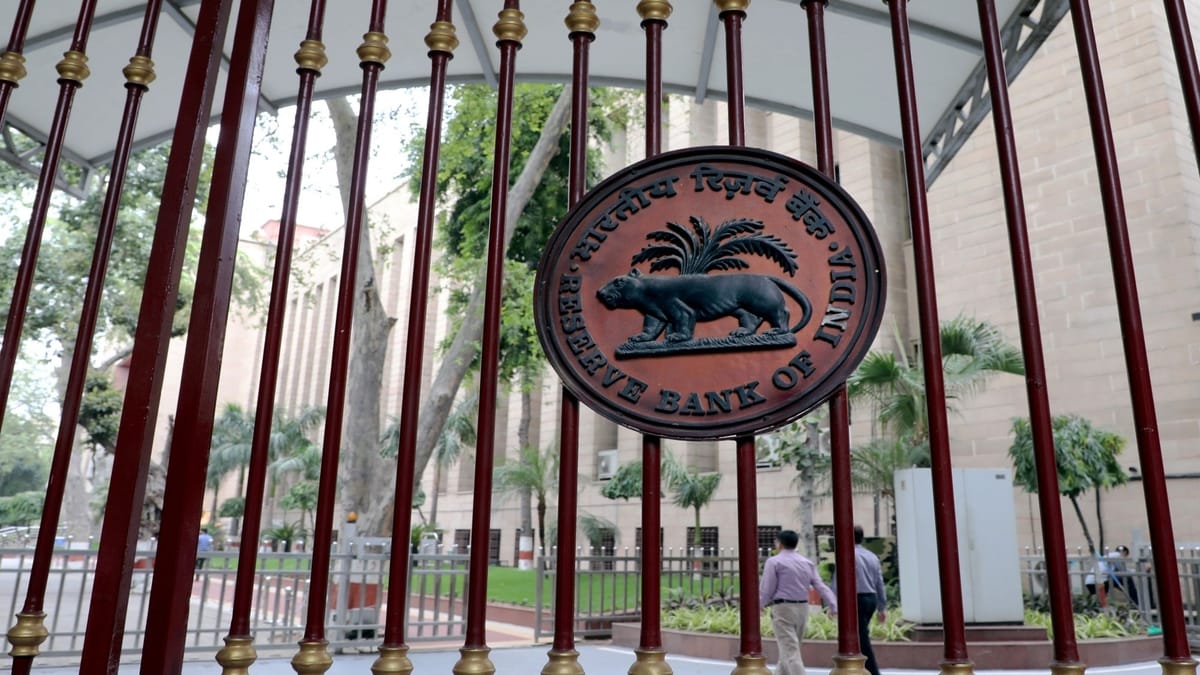
The Reserve Bank of India has deferred implementation of its circular on exchange-traded currency derivatives involving the rupee to May 3, according to a press release on Thursday.
The reiterated circular was to come into effect on April 5 earlier.
In the clarification issued by the RBI on its website, the central bank emphasised that the regulatory framework for rupee derivatives traded on exchanges has "remained consistent over the years and that there is no change in the RBI's policy approach".
The clarification comes after a scramble in the currency derivatives market over the last three days to wind-up existing positions without any existing underlying unhedged exposure. Brokerages complained about a short notice and the fact that this would be detrimental for the currency futures market going ahead, NDTV Profit reported on Wednesday.
"Based on this comprehensive review, public consultations, feedback received from market participants and experience gained, the regulatory framework has been made more comprehensive in respect of all types of transactions—OTC (over-the-counter) and exchange traded—under a single Master Direction to enhance operational efficiency and ease access to foreign exchange derivatives," the RBI said.
The central bank highlighted the existing regulatory framework for participants in the rupee derivatives market "without any change".
Users can take positions in the rupee futures market up to $100 million combined across all exchanges, while ensuring compliance with the requirement of having underlying exposure, the RBI said.
While the circular has undergone amendments over the years "for the purpose of ease of doing business", the RBI highlighted that participants are required to provide documentary evidence to establish the underlying exposure up to $100 million.
Nevertheless, the regulator did not provide any exemption from the requirement of having the exposure, it said.
"For the purpose of ease of doing business, the RBI's circular dated June 20, 2014 permitted users of ETCDs to take positions up to $10 million per exchange, without having to provide documentary evidence to establish the underlying exposure, but did not provide any exemption from the requirement of having the exposure," the central bank said.
Until now, participants who have underlying contracted exposure can continue to transact in the exchange-trade rupee derivatives market up to a limit of $100 million "without having to produce documentary evidence of the underlying exposure", according to the release.
This bit has changed now.
Users are required to provide evidence of the underlying exposure up to $100 million as well.
As the earlier circular was effective from Friday and the RBI has not made any leeway in the norms, it does not change things for brokerages, corporates and retail participants, according to traders from brokerages and corporates.
Most participants had already squared off their existing positions in the dollar/rupee futures market, according to Sajal Gupta, head of forex and commodities at Nuvama Professional Client Group's institutional desk.
"About 95% of people must have squared off their positions," Gupta said. "The only limited benefit is that people, who could not sell their positions today, have got 15–20 more days to do that."
"The original rule still stays, that fresh positions can't be taken if the participant does not have underlying exposure," he said.

-
Talking Points This Week: Leadership Shock At Nvidia, Earnings Strength, And The Fog Over Hormuz

The Anthropic IPO pricing and first trading day, Nvidia's upcoming earnings, and any fresh signals from Iran will set the tone for the following week.
-
Signature Play: The Classic Cocktail Is Dead. Or Is It?
Classic cocktails are disappearing from India's cocktail menus. But they're still being ordered, taught to bartenders and borrowed from. So, who's really having the last drink?
-
A New Samvat Wishlist: Inclusive Prosperity And Human Development
India has strengthened its economic foundations through infrastructure, digital access and enterprise. Its next growth chapter must deepen productivity, create better livelihoods and widen participation in prosperity.
-
Love, Sex Aur Dhokha: The Audacious Plot To Spy On Jensen Huang
A Taipei dinner, a Singapore chip buyer and a suspected Chinese asset: inside the alleged spy operation that got close to NVIDIA's Jensen Huang.
-
Ten Things I Learnt This Samvat
Patience can be a trap. Cheap stocks can stay cheap. Leverage can wipe you out. What did Samvat 2082 teach us? Niraj Shah writes on 10 lessons from the year gone by.
-
Talking Points This Week: Tech Nerves, FII Buying, And A Faraway Banking Shock
The global markets are not shining this Diwali. The exception in the large markets is, India.
-
Midterm Rally Lasted A Day. The Hard Reality Of A Divided US May Last Two Years | Opinion
Between a contested AI boom, a debt ceiling that arrives in 2027 and a president with every incentive to act alone, the next two years may prove more volatile than the first day's rally suggests.
-
Blue Wave Will Derail the AI Trade but Won't Dismantle the AI Era | Unhedged Position
The Democrats' sweep of the US Congress will see politics collide with economic forces both over the long and short term.
-
It's Time To Take The GST Council's Bet On Trust Global
Payment records can prove India's services exports, and clear, proportionate rules can bring foreign digital sellers into the tax net.
-
Opinion | India at 38: From Innovation Overperformer to Innovation Powerhouse
India now has 453 VC-backed deep science startups, 18 of them late-stage, after 117 percent growth since 2020. Laurus Labs, at USD 9.3 billion, is the most valuable deep science company in any middle-income economy outside China.









