RBI Cuts CRR By 100 Bps, To Infuse Liquidity Worth Rs 2.5 Lakh Crore
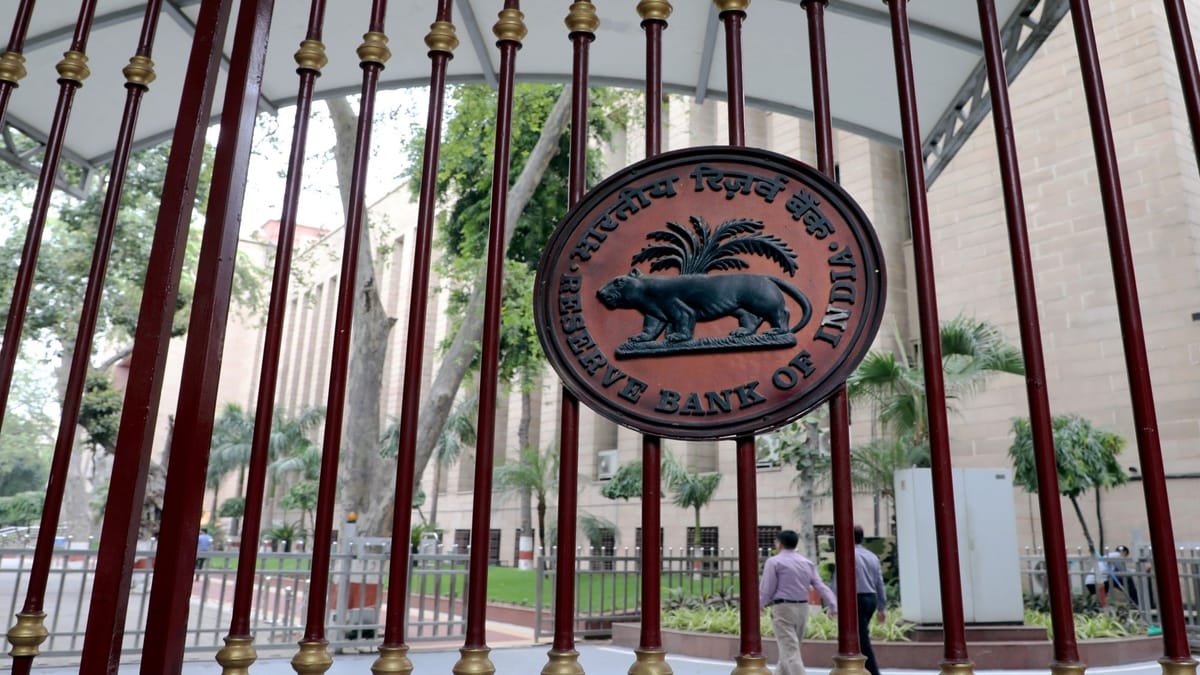
In a surprise move, the Reserve Bank of India has cut cash reserve ratio by 100 basis points, Governor Sanjay Malhotra said during the monetary policy committee meet on Friday.
With this move, CRR will stand at 3% from 4% earlier. The central bank will infuse Rs 2.5 lakh crore worth of liquidity in the banking system at the end of December 2025. This CRR cut will reduce cost of funding for banks.
This reduction will be carried out in four equal tranches of 25 bps each, with effect from the fortnights beginning Sept. 6, Oct. 4, Nov. 1 and Nov. 29, 2025, Malhotra said.
Besides providing durable liquidity, it will reduce the cost of funding of the banks, thereby helping in monetary policy transmission to the credit market, he said.
"The Reserve Bank remains committed to provide sufficient liquidity to the banking system. I would like to reiterate that we will continue to monitor the evolving liquidity and financial market conditions and proactively take further measures, as warranted," he said.
This has come as the RBI has been infusing liquidity in the banking system since the start of 2025 by various measures such as variable rate repo auctions, dollar-rupee buy/sell swaps and open market operations.
As on June 5, liquidity in the banking system stood at a surplus of Rs 3.03 lakh crore.
"The sharp drop in CRR is likely to keep liquidity conditions suitably comfortable to ensure monetary transmission," Upasna Bhardwaj, chief economist at Kotak Mahindra Bank said.
The RBI's MPC also cut the benchmark repo rate by 50 bps for the third straight time. The first rate cut was in February this year, followed by another in April.
The repo rate now stands at 5.5% with a 5:1 majority. Saugata Bhattacharya voted for a 25 bps cut in repo rate, while the others voted for a 50 bps cut.
The standing deposit facility rate, pegged 25 bps below the repo rate, stands at 5.25% and the marginal standing facility rate, which is 25 bps above the repo rate, is 5.75%.
The committee also changed its stance to 'neutral' from 'accommodative'.
"The higher than expected repo rate cut comes along with a shift in the stance back to neutral. This clearly points towards future decisions being more data dependent given the significant global uncertainties," Bhardwaj said.

-
The More Food Turns Into Fuel, The Harder It Is To Read Agricultural Markets | The Reason Why

A policy designed to reduce dependence on imported fuel can create new pressures elsewhere in the food economy.
-
Your iPhone Costs 12 Grams Of Gold, A Car About 100. What Does Your Life Weigh?
Measured in rupees, almost everything looks more expensive than it did a generation ago. Measured in grams of gold, a lot of it has become cheaper.
-
Gold Is Rs 22,000 Cheaper Than A Month Ago. Should You Buy Amid The Wedding Season?
Gold's potential slide to $3,500 could save around Rs 4,700 per 10 grams, but a soft inflation print could just as easily push prices back up. One way to split the risk is to buy in parts, some now and the rest after the Fed's Dec. 9 decision.
-
AI Agents Are Gaining Power. Who Governs Them?
Artificial intelligence agents promise to transform productivity by moving machines from assisting decisions to executing them. But as organisations delegate greater authority to these AI-agents, they must first establish who controls that authority and who remains accountable when things go wrong.
-
Why Swapping Your Old Gold Can Trigger A Rs 5 Lakh Tax Bill, And How You Can Avoid It Legally
Swapping old gold for new is taxed as a sale and a fresh purchase. Getting your own gold remade can cut most of that bill, though it has its own costs.
-
The AI Trade is Done. The Real Opportunity for Investors Starts in 2027 | Unhedged Position
As pureplay AI stocks plunge and circular, capex-led financing unwinds, 2027 is set to be a year of reckoning for AI companies. Yet the bust clears the way for a better opportunity for investors in 2027 -- shifting the spotlight from AI builders to the companies using AI.
-
Leadership As Mission: Why The Age Of AI Demands More Human Leadership
Debjani Ghosh examines how AI is changing leadership, arguing that its success must be measured by its impact on people and the accountability of those guiding its use.
-
We May Need Another Tukaram Mundhe To Fight Air Pollution | The Reason Why
Developers may install basic measures such as sprinklers and green nets, resume work, and continue violating rules when this equipment stops working.
-
Extracting Value From Battery Scrap Could Be Challenging For India | The Reason Why
A discarded lithium-ion battery still contains valuable materials such as lithium, nickel and cobalt. These can be recovered and reused. When such batteries are crushed and shredded, they produce a dark powder called black mass.
-
One El Nino, India Can Handle. Two Could Break The Granary
India's grain stocks can absorb one bad year, but a second El Nino could drain the buffer in two to three years, economists say.









