RBI Lifts Ban On Bajaj Finance’s eCOM And Insta EMI Card
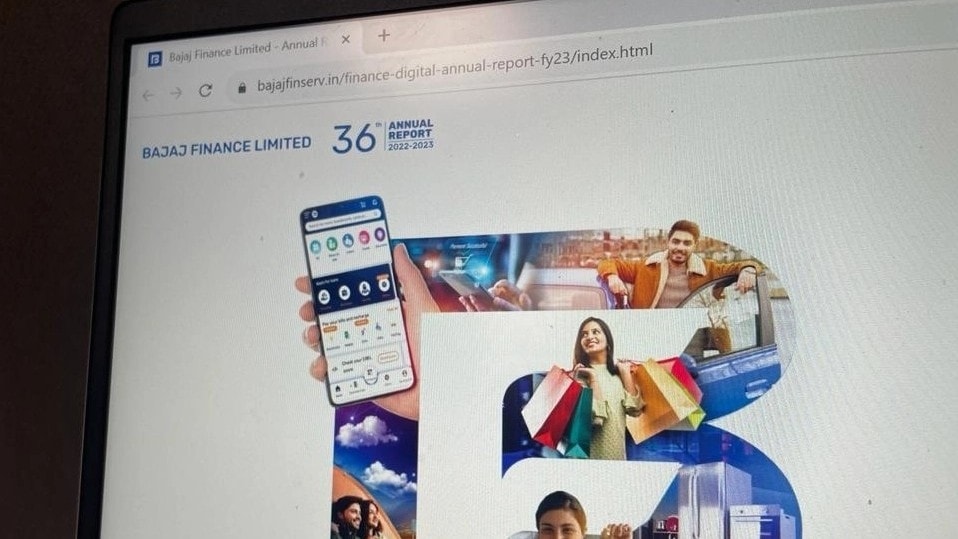
The Reserve Bank of India, on Thursday, lifted restrictions on Bajaj Finance Ltd.'s eCOM and online digital Insta EMI Card products with immediate effect, according to an exchange filing from the lender.
"Now, we wish to inform that the RBI, vide its letter dated May 2, 2024, based on the remedial actions taken by the Company, has conveyed its decision of lifting the said restrictions on eCOM and online digital ‘Insta EMI Card', with immediate effect," it said.
With this, Bajaj Finance has resumed sanction and disbursal of loans under eCOM and Insta EMI Card and also the issuance of new cards.
According to the company's statement, the reversal of RBI's restrictions has happened based on the remedial actions taken by the company. However, it did not specify the nature of actions taken.
The development comes after the company formally submitted its request to RBI for review and removal of restrictions of these digital lending products, according to non-banking finance lender's analyst call for March quarter.
The RBI in November had barred the lender from lending under its two offerings due to non-adherence to the digital lending guidelines—non-issuance of key fact statements to borrowers and deficiencies in KFS issued with respect to other digital loans sanctioned by the company.
According to a investor presentation for the September quarter of previous fiscal, Bajaj Finance had over four crore EMI cards in force, which was 22% higher on a yearly basis. Over the same period, it also acquired over 40 lakh EMI cards through its digital channels.
After the restrictions, the lender saw some impact on its business as well. In January-March quarter, the new loans booked by the lender were at 7.8 million, up merely 4% year-on-year.
Even the consolidated profit before tax grew 20% on a yearly basis to Rs 5,105 crore in the quarter-ended March.
"The profit before tax for Q4 was lower by approximately 4% due to regulatory restrictions on sanction and disbursal of loans under ‘eCOM' and ‘Insta EMI Card'," according to the investor presentation.
Rajeev Jain, managing director of Bajaj Finance, also said in a post-results analyst call that the loan book was down on account of restrictions placed by RBI on these products.

-
Talking Points This Week: Tech Nerves, FII Buying, And A Faraway Banking Shock

The global markets are not shining this Diwali. The exception in the large markets is, India.
-
Midterm Rally Lasted A Day. The Hard Reality Of A Divided US May Last Two Years | Opinion
Between a contested AI boom, a debt ceiling that arrives in 2027 and a president with every incentive to act alone, the next two years may prove more volatile than the first day's rally suggests.
-
Blue Wave Will Derail the AI Trade but Won't Dismantle the AI Era | Unhedged Position
The Democrats' sweep of the US Congress will see politics collide with economic forces both over the long and short term.
-
It's Time To Take The GST Council's Bet On Trust Global
Payment records can prove India's services exports, and clear, proportionate rules can bring foreign digital sellers into the tax net.
-
Opinion | India at 38: From Innovation Overperformer to Innovation Powerhouse
India now has 453 VC-backed deep science startups, 18 of them late-stage, after 117 percent growth since 2020. Laurus Labs, at USD 9.3 billion, is the most valuable deep science company in any middle-income economy outside China.
-
Navigating Energy Crossroads: S Jaishankar's Call For Diversified Supply Chains At G20 Ministerial Meeting
As geopolitical fault lines continue to test maritime trade routes and commodity flows, Jaishankar's message remains pertinent: true economic resilience requires open markets, protected transit lines, and a genuine commitment to multilateral cooperation rather than coercion.
-
Indians Are Travelling, But Not Every Journey Is A Holiday | The Week In Whys
Pilgrims, patients and working women are the real travellers, and the system hasn't quite caught up with them.
-
Getting To Work Costs Women More | The Reason Why
It is not just about women paying more than men. It is about women paying much more in cities than in villages.
-
AI Bias In Investing Cannot Be Eliminated, But It Can Be Governed
Framing is a particularly important example as identical financial information presented in terms of gains rather than losses can lead an LLM to reach a different assessment.









