RBI Doubles Open Market Operation Purchase Auction To Boost Liquidity
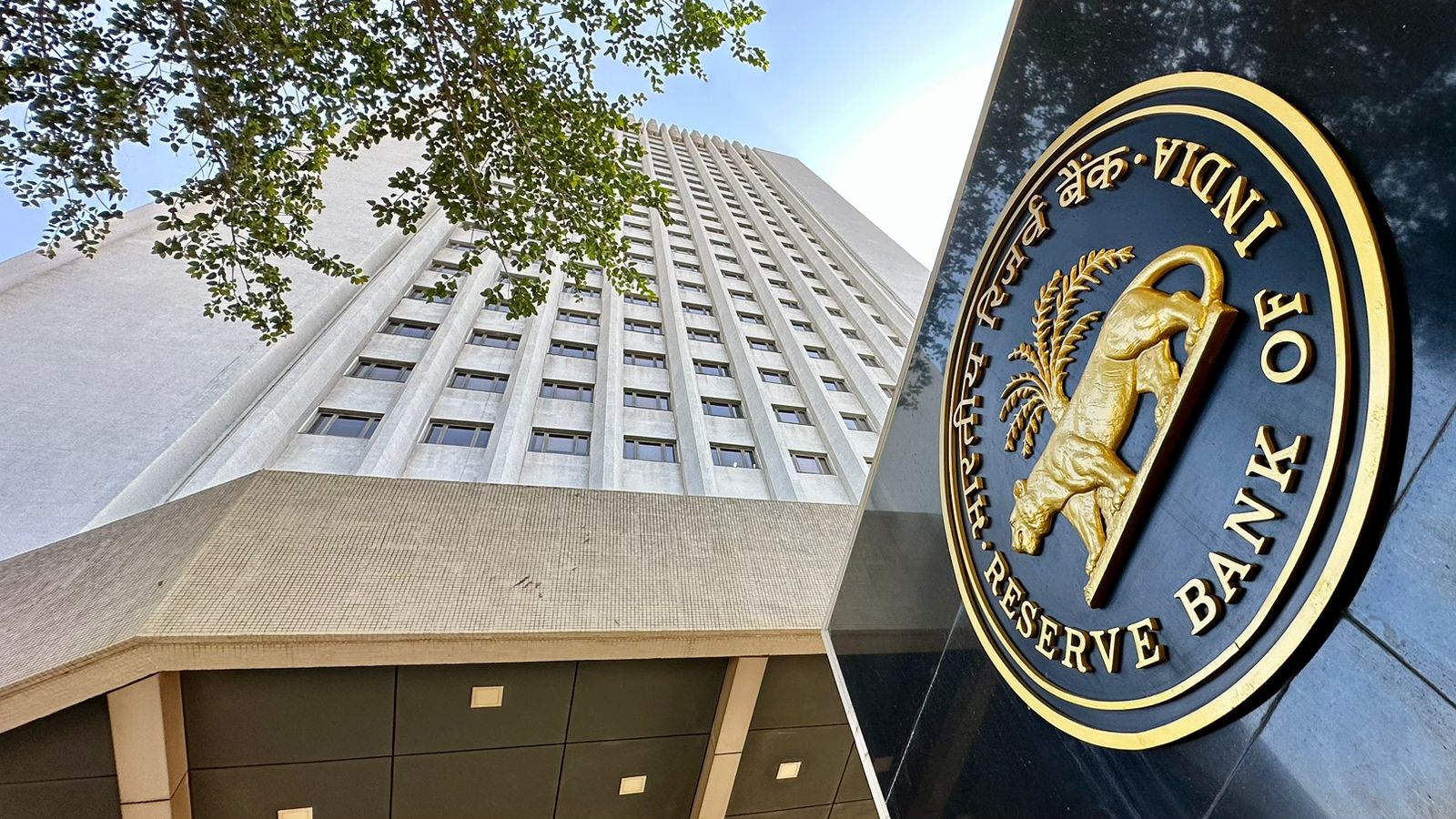
The Reserve Bank of India has decided to conduct open market operation purchase auctions of government bonds worth Rs 40,000 crore as compared to Rs 20,000 crore on Thursday in view of the current liquidity conditions, the central bank said in a media statement.
This is part of the RBI's special liquidity announcement last month, wherein it decided to infuse liquidity worth Rs 60,000 crore through OMO purchases in three tranches of Rs 20,000 crore each.
The RBI has already conducted the first auction on Jan. 30. For the upcoming auction on Thursday, the central bank has revised the amount upwards to buy five gilts worth Rs 40,000 crore. The third auction of Rs 20,000 crore will be held on Feb. 20.
Other notified details of the OMO purchases auction, which will be held on Thursday, remain unchanged, the central bank said.
As of Feb. 7, liquidity in the banking system remained in the deficit of Rs 1.07 lakh crore.
Last week, India's Monetary Policy Committee, led by newly appointed RBI Governor Sanjay Malhotra, cut the benchmark repo rate by 25 basis points but disappointed market participants with no new explicit announcement on liquidity measures.
The January liquidity measures are yet to be completely implemented, and near-term system liquidity deficit, including durable liquidity, appears comfortable compared to January 2025 highs, Madhavi Arora, lead economist at Emkay, said.
Policymakers may also want to keep sufficient tools in reserve and not use them all in one go, especially as global dynamics are very fluid and tricky, implying the need to ensure enough tools to react in times of stress, she added.
"We expect more OMOs in primary/secondary markets, followed by VRRs and more FX swaps, especially as the RBI's forward book is heavy with large near-term maturity," she added.

-
A New Samvat Wishlist: Inclusive Prosperity And Human Development

India has strengthened its economic foundations through infrastructure, digital access and enterprise. Its next growth chapter must deepen productivity, create better livelihoods and widen participation in prosperity.
-
Love, Sex Aur Dhokha: The Audacious Plot To Spy On Jensen Huang
A Taipei dinner, a Singapore chip buyer and a suspected Chinese asset: inside the alleged spy operation that got close to NVIDIA's Jensen Huang.
-
Ten Things I Learnt This Samvat
Patience can be a trap. Cheap stocks can stay cheap. Leverage can wipe you out. What did Samvat 2082 teach us? Niraj Shah writes on 10 lessons from the year gone by.
-
Talking Points This Week: Tech Nerves, FII Buying, And A Faraway Banking Shock
The global markets are not shining this Diwali. The exception in the large markets is, India.
-
Midterm Rally Lasted A Day. The Hard Reality Of A Divided US May Last Two Years | Opinion
Between a contested AI boom, a debt ceiling that arrives in 2027 and a president with every incentive to act alone, the next two years may prove more volatile than the first day's rally suggests.
-
Blue Wave Will Derail the AI Trade but Won't Dismantle the AI Era | Unhedged Position
The Democrats' sweep of the US Congress will see politics collide with economic forces both over the long and short term.
-
It's Time To Take The GST Council's Bet On Trust Global
Payment records can prove India's services exports, and clear, proportionate rules can bring foreign digital sellers into the tax net.
-
Opinion | India at 38: From Innovation Overperformer to Innovation Powerhouse
India now has 453 VC-backed deep science startups, 18 of them late-stage, after 117 percent growth since 2020. Laurus Labs, at USD 9.3 billion, is the most valuable deep science company in any middle-income economy outside China.
-
Navigating Energy Crossroads: S Jaishankar's Call For Diversified Supply Chains At G20 Ministerial Meeting
As geopolitical fault lines continue to test maritime trade routes and commodity flows, Jaishankar's message remains pertinent: true economic resilience requires open markets, protected transit lines, and a genuine commitment to multilateral cooperation rather than coercion.









