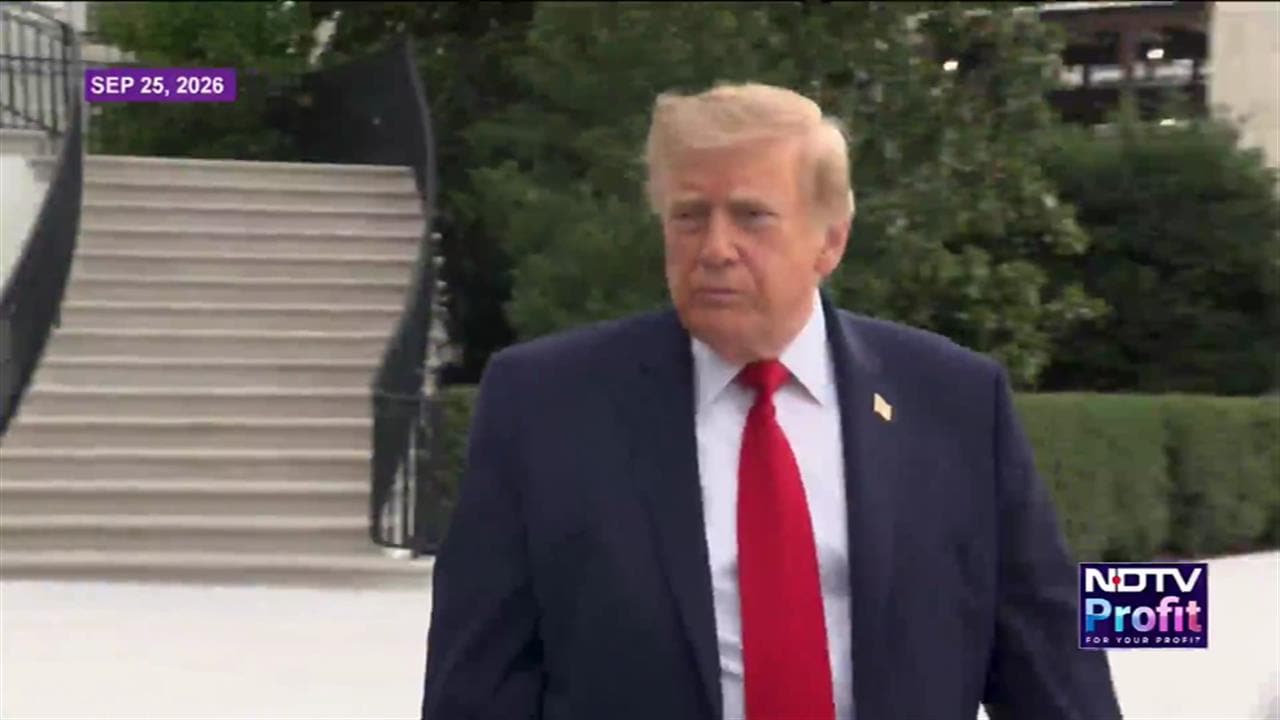
When Trump thought of slapping tariffs on China, he would have thought that China would be forced to give in and accept a deal on his conditions. Today, the effective tariffs are around 47.5%, but China's export machine hasn't paused for a moment. In fact, from January to November, China's trade surplus shot up to $1 trillion, beating last year's record.
Lower Exports to the USA
Prima facie, Trump succeeded in lowering goods imports from China. China's exports to the US have dropped by 19% during the period January to November 2025. Higher tariffs have dented China's trade with the US. For instance, categories that traditionally rely heavily on the US market, such as toys (-12%), footwear (-11%) and furniture (-6%), underperformed after the tariff hikes.
Yet, overall exports grew 5% during the period.
Also Read | Layoffs Are Rising In Tech, But These Skills Are Helping People Unlock Better Pay
Poverty Makes Every Spending Rational | The Reason WhyFrom Box-Shifting to Factory-Shifting
We had seen this movie before during Trump's first term, when Chinese goods entered the US via Hong Kong or Vietnam. That practice is called transhipment. This time, however, China was better prepared.
By late 2025, stricter rules of origin and customs checks made transhipment more difficult. As a result, Chinese companies increasingly relocated production to Southeast Asian countries, Mexico and parts of Africa. In short, there was less box-shifting and more factory-shifting, thus bypassing the tariffs. This explains why Chinese exports to Asean countries are up around 15%, to Africa over 27%, and to Latin America and Europe about 9%.
Gold, Silver To Shine Brighter? Precious Metals Rally May Continue | The Reason WhyIt's Not About Cheap Products Anymore
At the same time, there's another upgrade. China is no longer a low-cost consumer goods export market. Today, high-tech and industrial products lead.
Ship exports are up nearly 27%. Semiconductor exports have grown by around 25%, while automobiles by 17%. Overall, high-tech exports are growing faster than headline exports.
This matters because it tells that many developing countries buy Chinese equipment not because it's cheap, but because it's available, reliable and good enough.
Money Is Created Out Of Thin Air | The Reason WhyThe Other Side
Now comes the uncomfortable part. China's trade surplus is the result of both rising exports and falling imports. When imports drop, which has dropped marginally in 2025 in China compared to the previous year, it usually means people at home aren't buying much, so demand within China is weak.
Since China is so big, this extra supply affects global markets, pushing prices down everywhere. The IMF isn't happy about this. They've told China, repeatedly, to boost domestic spending and reduce its trade surplus. These big surpluses, especially when global demand is low, can spread deflation and stir up trade tensions. Other countries will not be able to catch up to the pace at which China is doing it. Thus, it could lead to massive disruptions globally.
China's response, echoed by CGTN and other commentators, is that the surplus reflects efficiency, not distortion. Cheaper Chinese goods, they argue, help control inflation globally and support growth in developing countries.
Letting Women Work Night Shifts Can Be Revolutionary | The Reason WhyWhere do the Dollars Go?
While China has a massive trade surplus in goods, it is still a net importer of services. That means China spends more on overseas services (foreign travel, transport, insurance and intellectual property, etc.) than it earns from the world. Then, foreign companies and investors earn more profits, interest and dividends from China than Chinese firms earn from their investments abroad. So, a part of China's export earnings is used to pay service providers and foreign investors.
What happens to the remaining dollars matters for the global economy. China recycles this surplus by investing in factories overseas, undertaking infrastructure projects through the Belt & Road Initiative, buying foreign bonds and financial assets — mainly in advanced economies, and adding to its foreign exchange reserves, increasingly in gold.
This is why China's trade surplus is not just a domestic story. It pushes capital into the rest of the world, shaping global liquidity, investment flows and financial conditions far beyond China.
Don't Normalise Air Purifiers As Delhi Chokes | The Reason WhyFinal Take
China's $1 trillion trade surplus looks like a sign of strength — but it also exposes a deeper imbalance.
For countries like India, this matters. China's unstoppable (for now) ability to absorb shocks, reroute supply chains and dominate high-volume exports makes it harder for others to improve exports. Therefore, the real question, then, is not whether China's surplus is "good" or "bad", but whether the global economy — and emerging markets in particular — can adjust to a world where China is no longer just the factory of the world, but also one of its biggest exporters of economic pressure.
Disclaimer: The views expressed in this article are solely those of the author and do not necessarily reflect the opinion of NDTV Profit or its affiliates. Readers are advised to conduct their own research or consult a qualified professional before making any investment or business decisions. NDTV Profit does not guarantee the accuracy, completeness, or reliability of the information presented in this article.
India Has No North-South Divide In Fertility | The Reason WhyEssential Business Intelligence, Sharp Market Insights, Practical Personal Finance Advice, Daily Fuel, Gold and Silver Prices and Latest Stories — On NDTV Profit.