Inflation Expected To Ease To 4.6% In First Three Quarters Of FY25, Says RBI
Retail inflation is expected to ease closer to the central bank's target in the next fiscal, according to the Reserve Bank of India.
CPI inflation increased to 5.6% in November as the recurrence of food price spikes punctured a brief respite in September and October. But, it is expected to ease to 4.6% in the first three quarters of FY25, the RBI said in its monthly bulletin for December.
The main risk to the outlook stems from the evolution of inflation in the months ahead, the RBI maintained. It is expected that these pressures will linger on into December, before the usual winter softening sets in and dispels these adversities, the bulletin said.
"The repetitive nature of food imbalances impinging on prices reinforces our view that for India, it is the food category that is the true ‘core' of inflation, with second order effects that delay the policy goal of aligning headline inflation with the target," it said.
Consequently, a lasting solution to these sporadic flares is the only panacea, it said. Supply augmenting measures and adjustments have the lead role here, but monetary policy shall have to respond if food inflation, as a whole, becomes lastingly elevated and sends secondary impulses across other prices, according to the bulletin.
Core inflation has been steadily disinflating, attesting to the efficacy of monetary policy actions and stance, it said.
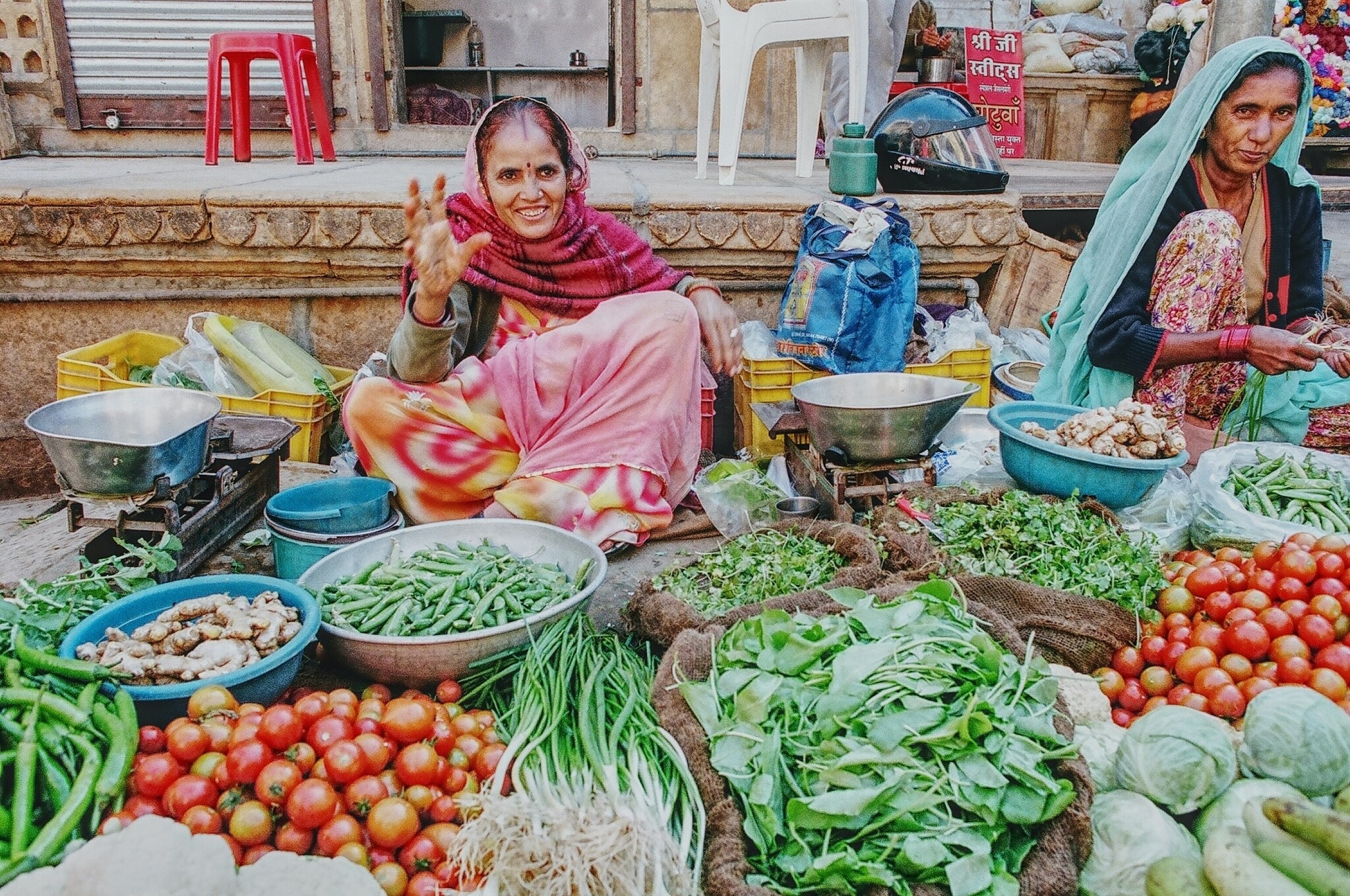
For the ongoing month, high frequency food price data so far shows that while prices of cereal and pulses rose further, edible oil prices continued on a broad-based decline, according to the RBI. Among key vegetables, onion prices, though elevated, are showing signs of correction in December. Potato prices declined, while tomato prices registered an uptick.
GDP clocked a growth of 7.7% in the first half of FY24. High frequency indicators suggest that this build-up in momentum will sustain over the rest of the year, it said. The central bank's economic activity index now casts GDP growth for Q3 FY24 at 6.7%.
Key Highlights
A silver lining is that hitherto tepid rural demand is on the mend.
The recent release of Rs 10,000 crore to meet enhanced expenditure under the rural job guarantee scheme and the provision of free food grains under the Pradhan Mantri Garib Kalyan Anna Yojana for a period of five years would cushion rural consumption and preserve the stimulus from government final consumption expenditure.
A major driver of growth has been the public policy thrust on infrastructure, which has propelled gross fixed capital formation into double-digit growth.
This boost is also likely to be sustained as the quality of public spending improves on an ongoing basis.
Merchandise exports recorded a positive momentum and incoming data will indicate if this is a turnaround from a long contraction.
On the supply side, agriculture is flattening after seven consecutive years of record food grain production, but prospects remain bright for allied activities such as livestock, forestry and fishing.
The biggest upside surprise is stemming from the broad-based strengthening of industrial value added, especially manufacturing. The surge in profitability, aided by easing input costs, is expected to sustain this dynamism.
As inflation eases, a revival of top-line growth will support the manufacturing expansion. Among services, construction activity remains robust, boosted by housing demand.
Other categories of services are normalising from the post-pandemic revenge spending, but underlying momentum remains resilient.

-
Why Amazon And Flipkart Are Struggling To Beat Meesho In India's Smaller Cities

With 274 million users and lowest-cost logistics, Meesho is defending its value commerce crown against giants like Amazon and Flipkart.
-
High US Salaries, No Green Card Certainty: The Financial Calculation Facing Indian H-1B Families
The suspension of PERM processing at eight technology employers does not cancel existing H-1B visas. What it does is force a question many Indian families have been avoiding: is the US salary worth tying your career and family plans to one employer?
-
Swiggy vs Eternal: Food Delivery's Two Rivals Are No Longer In The Same Race
Eternal is building a private AI assistant, dark.ai. Swiggy is still working out how to make Instamart pay, with an operating loss of Rs 895 crore in the July-September quarter while Blinkit stayed profitable.
-
Where You Live Shapes How You Get To Work | The Reason Why
Two-wheelers are the most popular way to get to work in India, accounting for nearly 43% of workplace commutes.
-
Unhedged Position: Can India See An Indonesia-Style Time Correction?
The Nifty is trading below levels it first clocked in 2024. Is there, then, as I have suggested in the headline, potential that the current time correction drags on painfully for the next three-five, even ten years?
-
Navigating Friction And Energy Realities: An Analysis Of Marco Rubio's October Visit To India
Occurring at a critical juncture marked by stalled trade negotiations and escalating geopolitical pressures over global energy supplies, the visit offers a profound window into modern US-India relations.
-
India Exports Capital. Why Not Export Trusteeship?
The big question, then, is whether India can build an institution that global borrowers, investors, banks, and lawyers can trust, even without an Indian connection.
-
France's Economy & Politics Are In Crisis | The Reason Why
Let's look at how the French economy and politics evolved under Nicolas Sarkozy, Franois Hollande and Emmanuel Macron.
-
You May Inherit The Business. You Must Earn Its Credibility.
Succession tests the founder's ability to share authority as much as it tests the next generation's readiness to assume it.
-
Signing Deals Is One Thing; Making Them Work Is Another | The Week In Whys
Sometimes, things don't turn out as planned. Indian companies have lost some bids to rivals, some projects won't produce until 2030.










