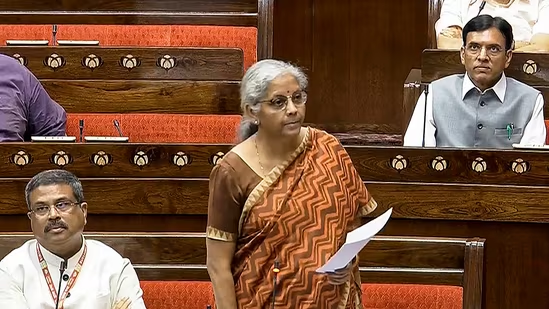
The International Monetary Fund (IMF)'s recent poor grading of Indian national accounts data is based on an outdated base year and does not question the robust GDP growth figures, Finance Minister Nirmala Sitharaman said on Wednesday.
In its country report last week, the IMF assigned a ‘C' rating to India's national accounts statistics, which includes data on gross domestic product, consumption and income levels. The rating indicated the data have "some methodological weaknesses" that "somewhat hamper surveillance", the report said.
"The point of contention was the quality of data on which the ‘C' grade was given... the data currently being used is based on the 2011–12 base year, and it is solely for this reason that we have been given a ‘C' grade. The IMF report does not question the growth figures," Sitharaman told lawmakers in the Lok Sabha during a discussion.
The minister informed that the government is updating the base year to 2022–23, and fresh metrics will come into effect from Feb. 27 next year.
The IMF's 'C' rating drew criticism from the opposition, with former finance minister and Congress veteran P Chidambaram seeking an explanation from the government.
The Washington-based multilateral lender expects India to grow at 6.5% and "they actually appreciated our inflation management", Sitharaman said. "Overall, India was rated ‘B' on all the fronts, including inflation, government finance, external sector statistics, monetary and financial statistics and inter-sectoral consistency,” she said.
The world's fourth-largest economy expanded at the fastest pace in six quarters in the July-September period at 8.2%, thanks to higher manufacturing output and robust private consumption.
India is facing headwinds from the export shock caused due to the highest US tariff rate of 50% which took effect in August. A bilateral trade deal planned by the end of the year is yet to be finalised.
Essential Business Intelligence, Continuous LIVE TV, Sharp Market Insights, Practical Personal Finance Advice and Latest Stories — On NDTV Profit.