For years, insurance policyholders have often found themselves at the weaker end of the system grappling with mis-selling, opaque commissions, delayed claims and limited accountability.
The Sabka Bima Sabki Raksha Bill, 2025 seeks to change that balance decisively by placing consumer protection at the centre of insurance regulation.
At the heart of the Bill cleared by Lok Sabha on Tuesday are three powerful, policyholder-friendly reforms — disgorgement of wrongful gains, a stronger policyholder protection framework, and capping of commissions.
Also Read | Layoffs Are Rising In Tech, But These Skills Are Helping People Unlock Better Pay
One of the most significant changes is the explicit empowerment of the insurance regulator, IRDAI, to order disgorgement. In simple terms, this means that insurers or intermediaries who violate rules can be forced to return profits earned or losses avoided through wrongdoing.
For policyholders, this is a crucial shift. Earlier, penalties were often seen as a cost of doing business.
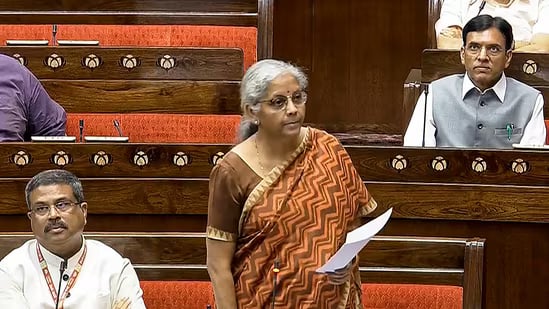
During the discussion on the Bill, Finance Minister Nirmala Sitharaman said the “legislation aims to strengthen regulatory oversight of insurance companies and ensure orderly conduct of the sector, adding that the proposed law seeks to bring greater transparency to insurance operations.”
The finance minister described these measures as a policyholder-friendly reform, aimed at ensuring that regulatory breaches do not result in financial benefit for errant entities.
The Bill also strengthens the policyholder protection framework by enhancing IRDAI's enforcement powers. Regulatory penalties have been rationalised, with the maximum penalty proposed to be raised to Rs 10 crore and extended to insurance intermediaries.
Funds recovered through regulatory action (including disgorgement) can be used in a manner aligned with policyholder protection objectives.
According to the finance minister, higher penalties are intended to act as a deterrent and improve legal and regulatory compliance.
Lok Sabha Passes Amendment Bill To Hike FDI In Insurance Sector To 100%To address mis-selling and incentive-driven distribution practices, the Bill empowers IRDAI to cap commissions, remuneration and rewards paid to insurance agents and intermediaries. The regulator will be authorised to prescribe commission limits, the manner of payment and disclosure requirements, a move aimed at improving transparency and aligning distributor incentives with policyholder interests.
The finance minister also said the Bill proposes one-time registration for insurance intermediaries, a measure intended to ensure uninterrupted services and reduce procedural disruptions. In addition, the government may notify exemptions for insurance intermediaries operating in Special Economic Zones, including International Financial Services Centres, to attract investment.
On sectoral growth, the finance minister said the removal of the upper cap on foreign direct investment in insurance is seen as a key enabler, with greater opening up expected to bring better technology and improved insurance products. The Bill also proposes amendments to the LIC Act to grant greater operational autonomy to LIC, enabling more efficient decision-making.
She added that the legislation aims to create a more conducive business environment, including by standardising the regulation-making process through a formal SOP framework to ensure consistency and transparency in regulatory actions.
Insurance Bill 2025: HDFC Bank, ICICI Bank, Axis Bank In Focus On Commission Cap RiskEssential Business Intelligence, Sharp Market Insights, Practical Personal Finance Advice, Daily Fuel, Gold and Silver Prices and Latest Stories — On NDTV Profit.