Wheat Production Dented By Heatwave , Could Limit Centre's Stock Holding
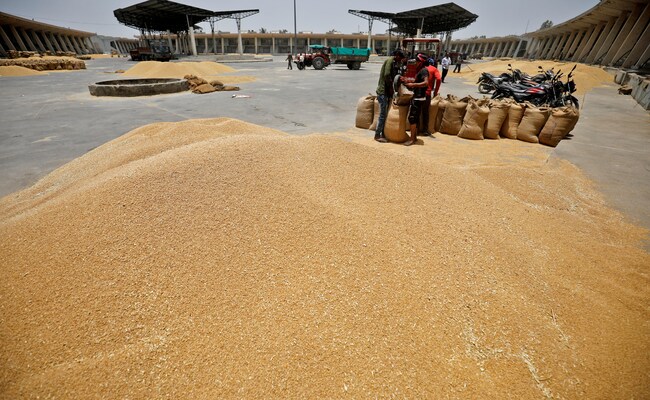
A heatwave in northern and central India at a time the crop is ripening is threatening to damage grains and dent the country's wheat production for the second straight year.
The reduction in production amid a drop in inventories to the lowest level in 6 years may force the world's second-biggest producer of the grain to allow imports after banning exports last year.
"Winter hasn't ended yet, but during the day temperatures rise like summer," said Rameshwar Chowdhury, who has planted wheat on six acres in the Niwai village in the northwestern state of Rajasthan.
"We are irrigating fields to limit the impact, but beyond that we can't do anything."
The maximum temperature in some wheat-growing areas jumped above 39 degrees Celsius for a few days in February, nearly 10 degrees Celsius above normal, according to weather department data.
Higher temperatures would lead to early maturity of the crop and grains could be shrivelled, like they were last year, said Chowdhury.
India recorded its highest ever maximum temperature in February and the weather office has warned the country is likely to experience another heatwave in March, especially in the key wheat-producing central and northern states.
A heatwave in March could further harm the crop, which has already been showing signs of stress, said another farmer, Gopilaal Jaat.
In 2022, a heatwave in March curtailed India's wheat production to 100 million tonnes against local consumption of 103.6 million tonnes, estimates the U.S. Department of Agriculture's Foreign Agricultural Service.
India last month estimated wheat production in 2023 could rebound to a record 112.2 million tonnes, but trade bodies are less optimistic due to the heatwave.
"Higher temperatures in March can trim output by 4 to 5 million tonnes. We are estimating production of around 106 to 107 million tonnes," said Pramod Kumar S, president of the Roller Flour Millers' Federation of India (RFMFI).
Global and Indian trade houses are even more bearish and forecasting a far bigger drop in production.
"We trimmed the estimate to 103 million tonnes from 109 million tonnes," said a New Delhi-based dealer with a global trading firm, adding production could fall to around 100 million tonnes if temperatures remain above normal in March as forecast by the weather department.
Lower production would keep wheat prices above the government's buying price and encourage farmers to sell to private players, the dealer said.
State purchases fell by 53% in 2022 to 18.8 million tonnes, pushing up local rates and forcing the government-backed Food Corporation of India (FCI) to release 5 million tonnes of the grain from its reserves to cool prices.
But the sales, which are ongoing, would halve the government's stocks at the start of the April-March marketing year to 10.2 million tonnes, the lowest in six years, estimates USDA.
To replenish stocks, the government is aiming to procure about 34 million tonnes from farmers in 2023.
"The government will do everything to ensure food security and to keep prices under control. It can even allow imports if needed," said Kumar of RFMFI.

-
One El Nino, India Can Handle. Two Could Break The Granary

India's grain stocks can absorb one bad year, but a second El Nino could drain the buffer in two to three years, economists say.
-
India's Troika Of Good Luck | Joining The Dots
As Jensen Huang's exit drags Nvidia down, a cooling AI trade and resilient earnings have revived investor interest in India. A likely RBI rate hike looms.
-
Talking Points This Week: Leadership Shock At Nvidia, Earnings Strength, And The Fog Over Hormuz
The Anthropic IPO pricing and first trading day, Nvidia's upcoming earnings, and any fresh signals from Iran will set the tone for the following week.
-
Signature Play: The Classic Cocktail Is Dead. Or Is It?
Classic cocktails are disappearing from India's cocktail menus. But they're still being ordered, taught to bartenders and borrowed from. So, who's really having the last drink?
-
A New Samvat Wishlist: Inclusive Prosperity And Human Development
India has strengthened its economic foundations through infrastructure, digital access and enterprise. Its next growth chapter must deepen productivity, create better livelihoods and widen participation in prosperity.
-
Love, Sex Aur Dhokha: The Audacious Plot To Spy On Jensen Huang
A Taipei dinner, a Singapore chip buyer and a suspected Chinese asset: inside the alleged spy operation that got close to NVIDIA's Jensen Huang.
-
Ten Things I Learnt This Samvat
Patience can be a trap. Cheap stocks can stay cheap. Leverage can wipe you out. What did Samvat 2082 teach us? Niraj Shah writes on 10 lessons from the year gone by.
-
Talking Points This Week: Tech Nerves, FII Buying, And A Faraway Banking Shock
The global markets are not shining this Diwali. The exception in the large markets is, India.
-
Midterm Rally Lasted A Day. The Hard Reality Of A Divided US May Last Two Years | Opinion
Between a contested AI boom, a debt ceiling that arrives in 2027 and a president with every incentive to act alone, the next two years may prove more volatile than the first day's rally suggests.
-
Blue Wave Will Derail the AI Trade but Won't Dismantle the AI Era | Unhedged Position
The Democrats' sweep of the US Congress will see politics collide with economic forces both over the long and short term.









