Two Of London’s Most Expensive Mansions Are Struggling To Sell

(Bloomberg) -- Two of London's priciest mansions, on the market for a combined £475 million ($602 million), are struggling to sell as high interest rates and a tough tax environment curb investment.
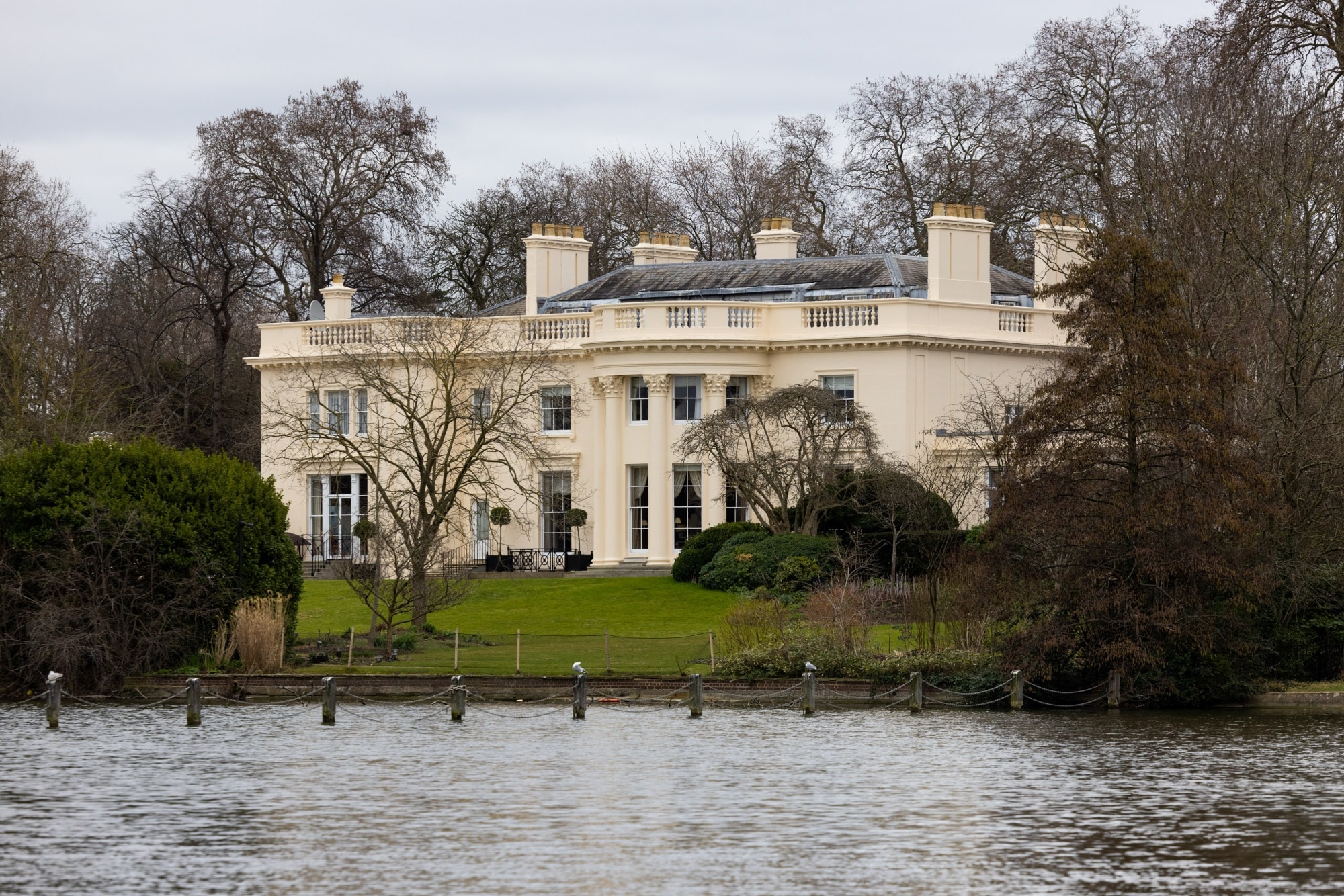
Hui Ka Yan, founder of embattled real estate firm China Evergrande Group, almost sold his Rutland Gate mansion this year for about £200 million — £25 million below asking price, according to a person familiar with the matter. The Knightsbridge property, which holds the distinction of being London's priciest home, was under offer from a Middle Eastern buyer before negotiations broke down.
Another bid is on now the table from a different Middle Eastern buyer, the person said, although it too falls short of Hui's asking price. The Chinese tycoon had two luxury houses in Hong Kong seized by creditors last month as a debt crisis at Evergrande continues to erode his wealth.
Read more: Mansions Tied to Evergrande Chairman Hui Are Seized by Creditor
A one-hour walk from Rutland Gate, through Hyde Park and the affluent Marylebone district, leads to The Holme, a 40-room mansion in Regent's Park. The property was formerly owned by the Saudi royal family but is now in receivership following a lapse of a loan. Despite dozens of visits from prospective buyers this year, the sellers have yet to receive an offer close enough to the £250 million asking price, according to the person familiar.
“Buyers in the market right now want to feel they're getting a discount, but super prime sellers remain highly discretionary,” said Jo Eccles, managing director at buying agent Eccord.
Rising borrowing costs, economic uncertainty and the worst cost-of-living crisis in a generation have driven a slowdown in the UK property sector this year. While London's luxury housing market is more insulated from such headwinds as buyers are typically less debt-dependent, demand is still being impacted by negative sector sentiment and political uncertainty in advance of a general election that could come as soon as next year.
The discreet nature of London's ultra-prime property market means agents typically sound out prospective buyers through private networks. This allows sellers to experiment with pricing without leaving a digital footprint, meaning they are less likely to be disadvantaged if they choose to re-market at a later date.
“The difference between asking and achieved prices across prime central London for the best homes currently averages 5% to 6% discount,” said Jeremy Gee, managing director at luxury broker Beauchamp Estates, which is working on both sales. “For homes priced above £15 million, going up to over £100 million, negotiations between the vendor and buyer can be extremely complex.”
Read more: Billionaires Eye Renting in London as Interest Rates Dent Buying
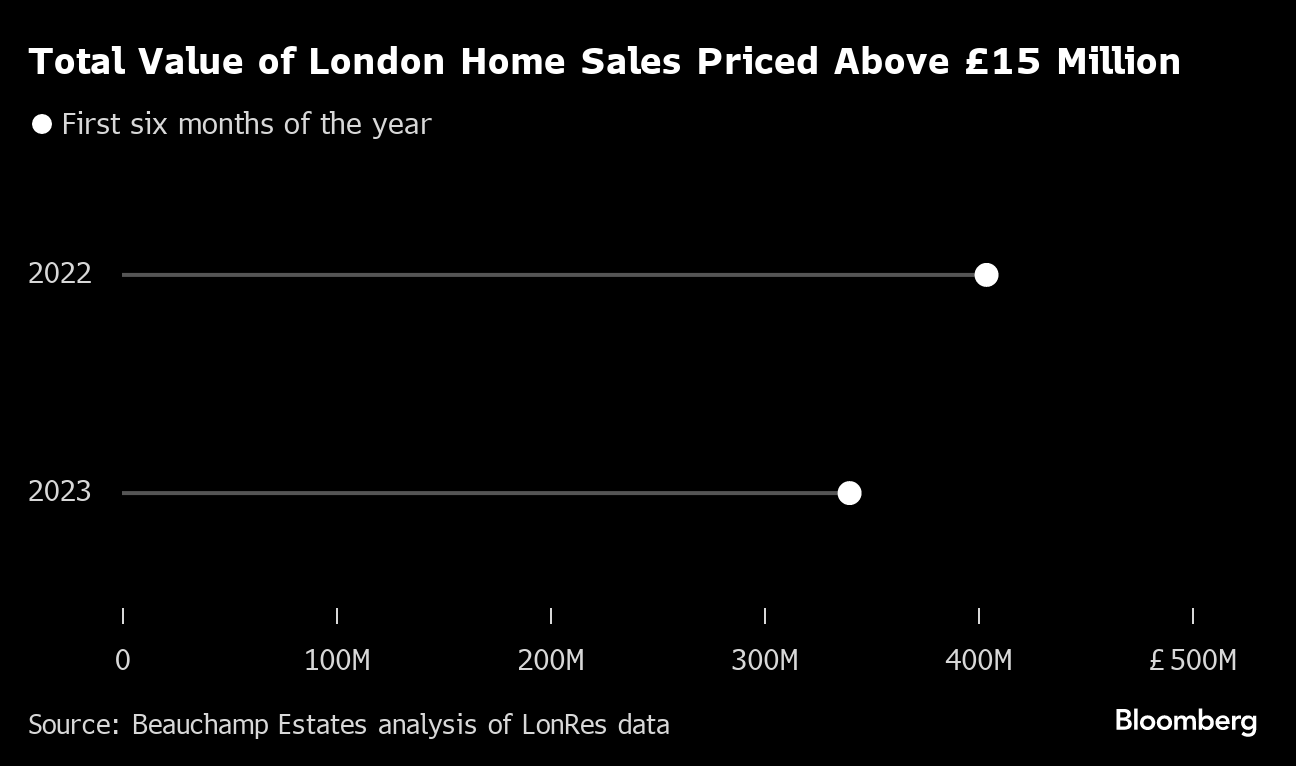
Billionaires and multi-millionaires purchased £340 million worth of London homes valued above £15 million between January and June, according to a report by Beauchamp Estates — an average of two deals per month. That's down from over £400 million worth of sales in the first half of 2022, and £514 million in a six-month post-lockdown period during 2021.
What's more, vendors that are managing to secure deals now typically have to accept discounts. A six-bedroom apartment in Knightsbridge based in a former Harrods chocolate factory sold this month to a European multimillionaire for £18 million, some 8% below the asking price.
Read more: London Luxury Home Deals Set to Slump Deeper for Rest of Year
On a summer tour of a dozen properties across Knightsbridge and Kensington with a client searching for a home valued up to £15 million, four of the sellers were prepared to break even or accept a loss, according to Eccord's Eccles.
“This can be a bitter pill to swallow,” she said.
Eccles also noted that the asking price for a house in the affluent St John's Wood suburb had been reduced from £9 million to £6.5 million in a bid to attract offers, before achieving a final sale price of £8.5 million. Properties which require major refurbishment or have been personalized to reflect a specific taste are being impacted the most, Eccles said.
“Sellers are finally waking up to the fact that they need to adjust their expectations and are much more open to lower offers,” Eccles said. “This is being driven by a need to simplify their affairs by consolidating financial and property assets, and pressure from advisers or banks to offload underperforming investments.”
Read more: Oil Tycoon, Art Collector Cut London Mansion Price on Low Demand
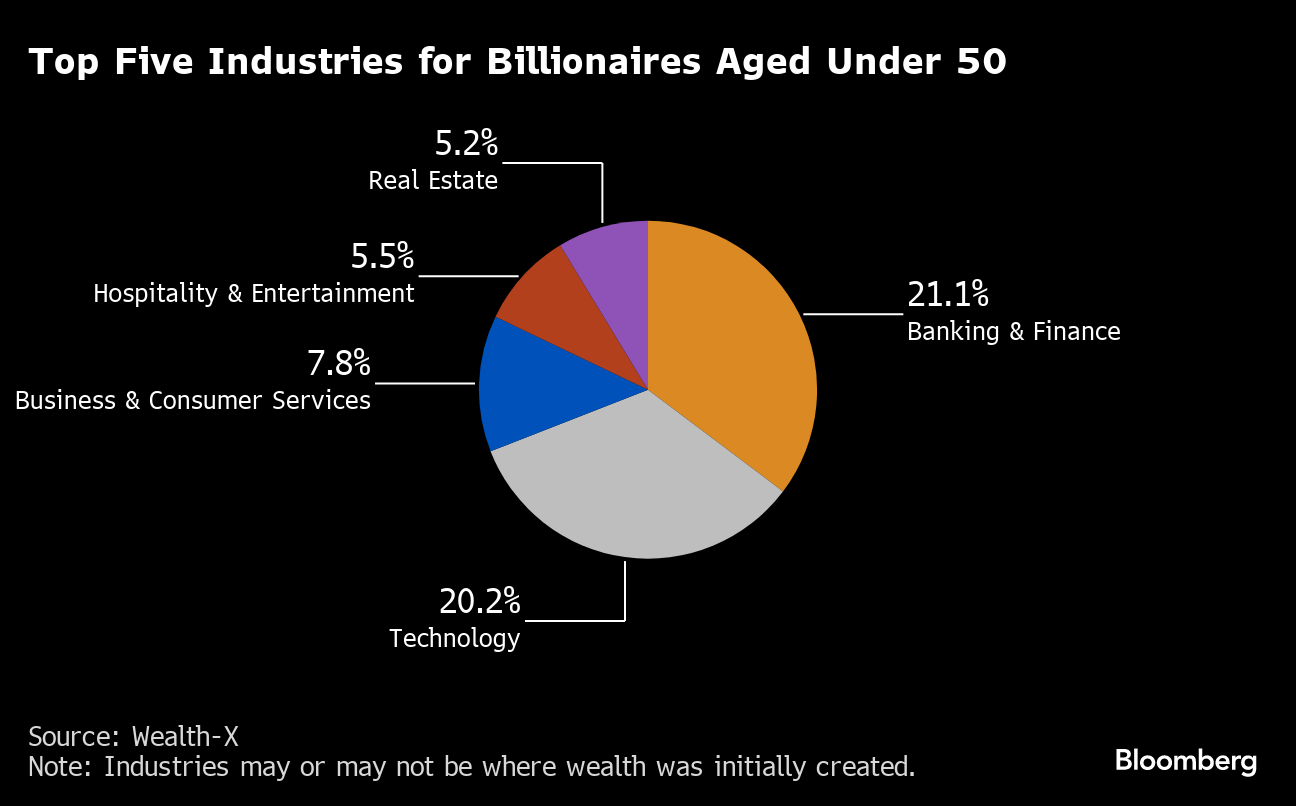
Even so, the less debt-reliant nature of London's luxury housing market means the costliest transactions are proving more durable than cheaper ones. Beauchamp Estates' Gee said asking prices for “trophy homes” — typically the most expensive, lavish properties — can still be met or exceeded despite the current market downturn.
Some 17% of ultra-high-net-worth individuals bought at least one home last year, according to a report from broker Knight Frank, and the wealthiest home owners are still securing deals. Indian billionaire Ravi Ruia, for instance, bought a £113 million London mansion overlooking Regent's Park this summer.
“The market for homes above £10 million in prime central London is currently being driven by American and Middle Eastern buyers, in particular clients from Saudi Arabia and the UAE,” Beauchamp Estates' Gee said.
More stories like this are available on bloomberg.com
©2023 Bloomberg L.P.

-
'Never Seen This Level Of Negativity': Sandeep Tandon Says The Next Rally May Be Closer Than You Think

Veteran investor Sandeep Tandon says foreign selling is easing, large-caps are due a comeback and mid-caps are crowded, while he turns positive on gold, power and pharma this Diwali.
-
Indians Stay With Family, Not In Hotels | The Reason Why
India still lacks enough clean, reliable and affordable hotels for budget-conscious travellers.
-
The Economic Imperative: Analysing The Material Driving Force Behind India-Canada Strategic Reset
This economic complementarity is further reinforced by deep institutional investment ties and talent mobility, which form the bedrock of the bilateral framework.
-
Medicine Pricing: Where Must Profit Stop?
India must confront excessive margins, hidden incentives and regulatory gaps that threaten the integrity of medicine.
-
Why Amazon And Flipkart Are Struggling To Beat Meesho In India's Smaller Cities
With 274 million users and lowest-cost logistics, Meesho is defending its value commerce crown against giants like Amazon and Flipkart.
-
High US Salaries, No Green Card Certainty: The Financial Calculation Facing Indian H-1B Families
The suspension of PERM processing at eight technology employers does not cancel existing H-1B visas. What it does is force a question many Indian families have been avoiding: is the US salary worth tying your career and family plans to one employer?
-
Swiggy vs Eternal: Food Delivery's Two Rivals Are No Longer In The Same Race
Eternal is building a private AI assistant, dark.ai. Swiggy is still working out how to make Instamart pay, with an operating loss of Rs 895 crore in the July-September quarter while Blinkit stayed profitable.
-
Where You Live Shapes How You Get To Work | The Reason Why
Two-wheelers are the most popular way to get to work in India, accounting for nearly 43% of workplace commutes.
-
Unhedged Position: Can India See An Indonesia-Style Time Correction?
The Nifty is trading below levels it first clocked in 2024. Is there, then, as I have suggested in the headline, potential that the current time correction drags on painfully for the next three-five, even ten years?
-
Navigating Friction And Energy Realities: An Analysis Of Marco Rubio's October Visit To India
Occurring at a critical juncture marked by stalled trade negotiations and escalating geopolitical pressures over global energy supplies, the visit offers a profound window into modern US-India relations.










