- US President Trump has imposed a $100,000 fee on H-1B visa applications affecting global tech firms
- Indian IT companies face higher costs and must increase offshoring and local hiring to offset fees
- Replacing one-third of H-1B workers locally could reduce EBIT margins by 20–50 basis points
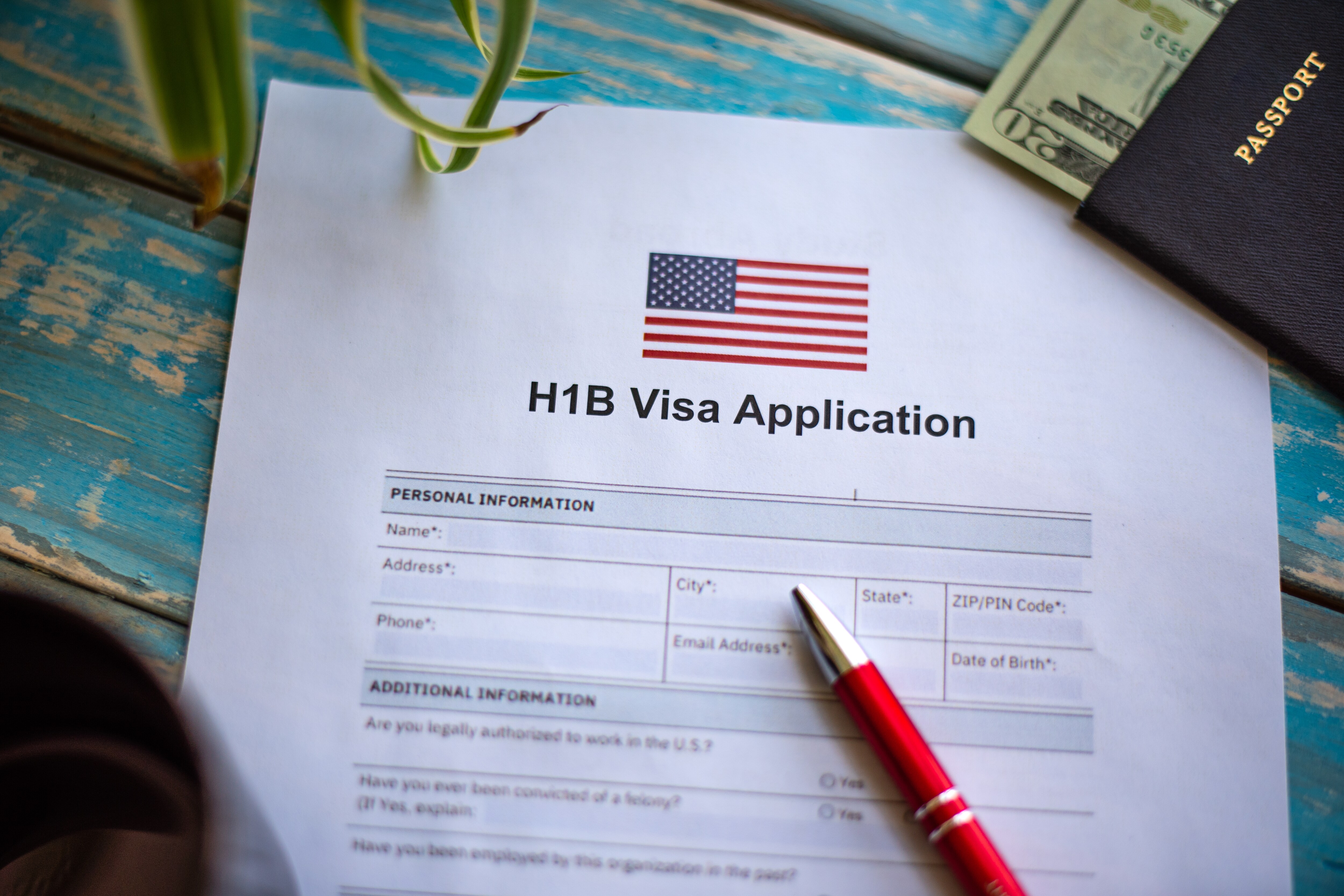
US President Donald Trump's decision to impose a steep $100,000 fee on H-1B visa applications is reverberating across the global tech industry, from India's outsourcing majors to America's fledgling startups.
For Indian IT companies, the proclamation means higher operating costs in the medium term, as firms are forced to accelerate offshoring and local hiring to offset the additional burden.

-
 Indian Markets Turning Corner After Two Tough Years, Says Sandeep Tandon
-
 NDTV Profit Ignite 2026: Experts See Opportunity In Equities, Stay Bullish For Long-Term
-
 Buy Right, Sit Tight Does Not Work for Individual Stocks, Says Dinshaw Irani
-
 'Worst Is Behind': Quant MF Sees Market Bottom, Flags 'Extreme Euphoria' In Midcaps
-
 India's Mutual Fund Industry Could Become A $1 Trillion Opportunity, Say Fund Managers
-
 'Foreign Investors Are Baraatis': Raamdeo Agrawal's Take On LTCG Tax
-
 Stay Invested Through Market Cycles: Raamdeo Agrawal at NDTV Profit Ignite
-
 Ramesh Damani Remains Bullish On India For Next 20-30 Years, Sees Bargains Amid Market Weakness
-
 CAS Came After A Long Consultation Process: SEBI Chairman Tuhin Kanta Pandey AT NDTV PROFIT IGNITE
-
 Aim To Cut FPI Onboarding Time From Mth To Five Days: SEBI Chairman Tuhin Kanta Pandey AT NDTV PROFI
Analysts at Dam Capital estimate that replacing one-third of H-1B employees with local hires could shave 20–50 basis points off EBIT margins and 2–4% off earnings per share. Brokerages say Cyient and Tata Consultancy Services are least exposed, while Citi Research highlights HCLTech and Infosys as better placed thanks to their aggressive localisation strategies.
Also Read | Layoffs Are Rising In Tech, But These Skills Are Helping People Unlock Better Pay
Although the new fee applies prospectively — $100,000 per application, not per year — Morgan Stanley cautioned that the medium-term impact could still be significant as companies reduce their reliance on the US work visa program.
But the adverse implications of the visa aren't confined to India. American founders and venture capitalists told CNBC the move threatens the very fabric of the startup ecosystem, where every hire is critical.
"As an early-stage startup, every hire is precious," said Desmond Lim, co-founder of HR tech platform Workstream, which has already seen all its H-1B applications rejected this year. Alma, a San Francisco-based legal tech startup, reported a 100-fold surge in anxious client inquiries after the White House announcement.
"The main problem becomes: is there enough local supply to meet demand if this international talent goes away?" asked Alma CEO Aizada Marat. Venture capitalists warn that early-stage firms, unlike tech giants, lack the resources to absorb such costs and depend heavily on global talent to compete.
Essential Business Intelligence, Sharp Market Insights, Practical Personal Finance Advice, Daily Fuel, Gold and Silver Prices and Latest Stories — On NDTV Profit.