It has been an unexpectedly entertaining season for Big Tech announcements in India, a sort of American-powered relay race where each runner refuses to be outshone.
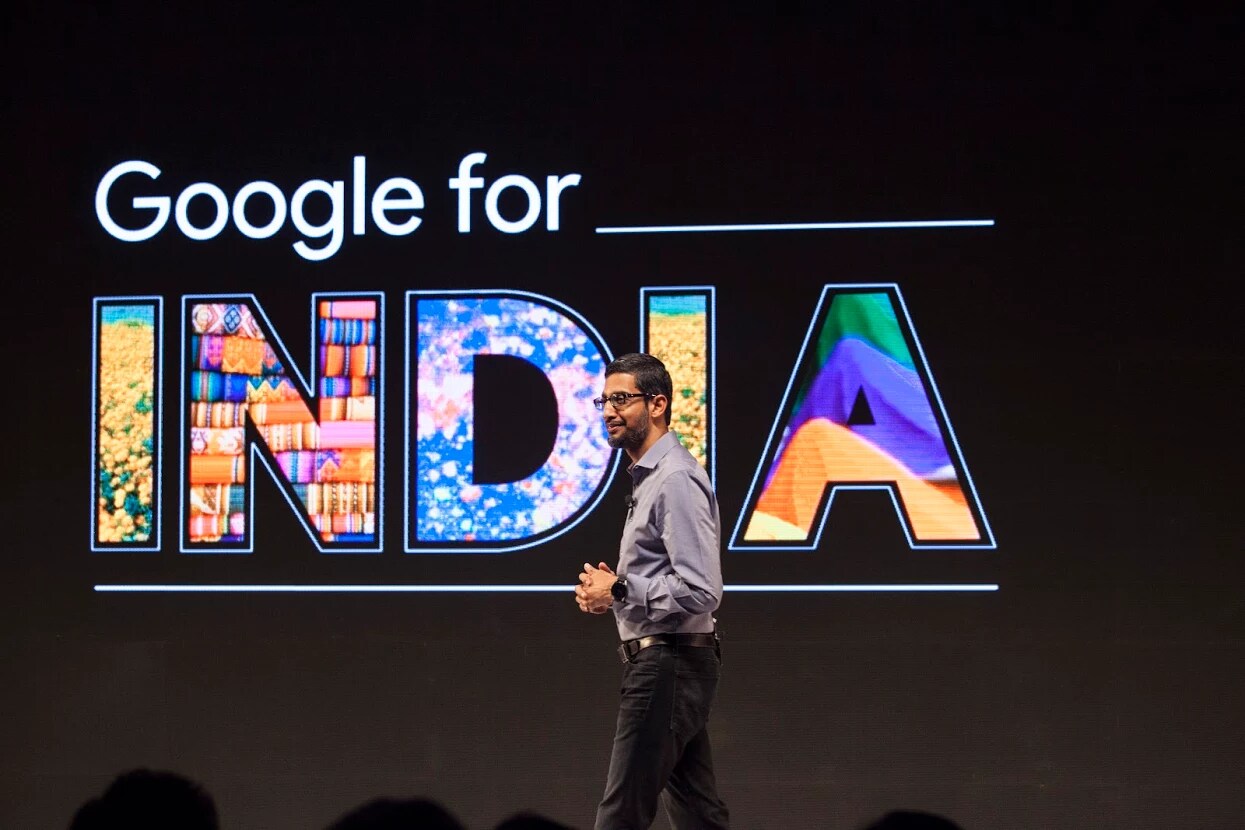
It began innocently enough, with Google lobbing an impressive $15-billion investment plan into India's Andhra Pradesh (a state where BJP's ally TDP is in power). A respectable number, strategic, neatly aligned with the country's digital ambitions. For about two months, Google basked in the glow of being the tech giant most loudly professing its love for India.
Then Satya Nadella showed up.
Microsoft raised the stakes with a $17.5-billion declaration, a masterclass in one-upmanship. But just as everyone thought the show was over, Amazon entered – doubling Microsoft's commitment – at $35 billion (which includes employee compensation?) through 2030.
Across three announcements, India suddenly found itself courted with $67.5 billion in impending investments, roughly the GDP of a small country, or according to the 2025 Stanford HAI AI Index Report, about 62% of the private-sector AI investments made in the US in 2024.
Most of this money is headed toward AI infrastructure, data centres, digitisation and export engines, exactly the sectors the government has been signalling it wants global players to bet big on.
And so here we are: Google set the bar, Microsoft raised it, and Amazon somersaulted over it. If there's any lesson in this, it's that Big Tech may compete fiercely with each other, but when it comes to wooing India, nobody wants to finish second.
It's important to note the global context here. It comes amid fears in Silicon Valley and beyond of a bubble as the value of AI tech companies has soared in recent months and companies spend big on the burgeoning industry.
In an exclusive interview to BBC, Google's Sundar Pichai said while the growth of artificial intelligence investment had been an "extraordinary moment", there was some "irrationality" in the current AI boom. And on whether Google would be immune to the impact of the AI bubble bursting, he said "no company is going to be immune, including us."
So, even as India-US trade negotiations continue with the fall deadline beyond us, renewed tariff threats, and red lines weighing down exporters, Big Tech doesn't seem to be bothered.
In fact, while diplomats haggle over market access and duties, America's tech giants are showering India with some of the biggest investment announcements in their global portfolios.
So even as the official trade relationship looks complicated, Silicon Valley's cheque-writing suggests a very different reality. For Big Tech, India is simply too big, too digital, and too strategically essential to wait for perfect geopolitics.
The irony is hard to miss, while Washington and New Delhi tussle over tariffs, America's largest corporations are betting tens of billions on India's AI future, treating the country less like a trade partner in negotiation and more like an indispensable growth market they can't afford to ignore.
Essential Business Intelligence, Continuous LIVE TV, Sharp Market Insights, Practical Personal Finance Advice and Latest Stories — On NDTV Profit.