SEBI Unravels How Brightcom Group Cooked Its Books
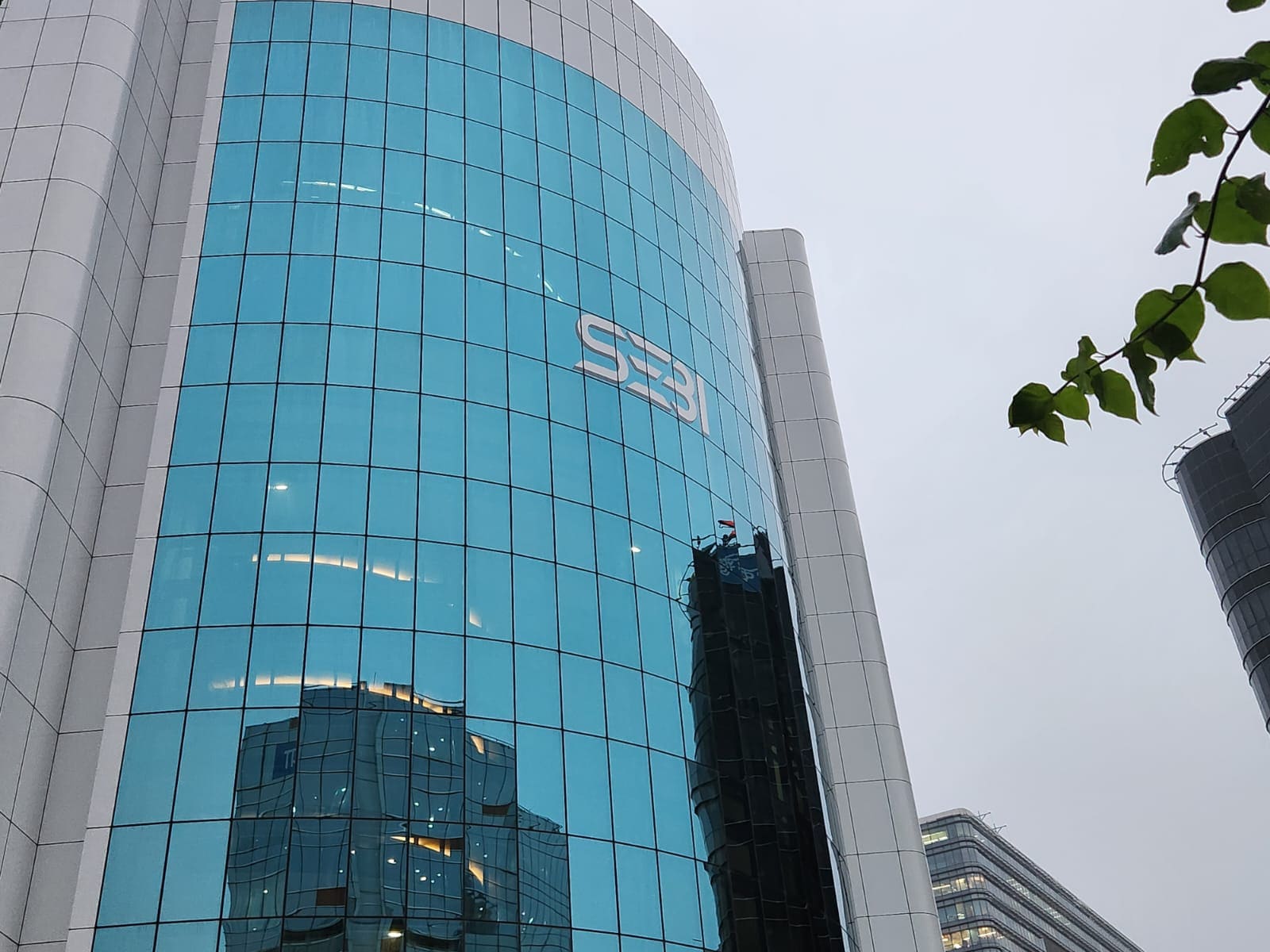
Four promoter entities of the Brightcom Group have come under scrutiny of the market regulator over alleged misrepresentations of funds that prompted action against two top executives.
The Securities and Exchange Board of India's interim order barred Chief Executive Officer Suresh Kumar Reddy and Chief Financial Officer Narayana Raju from company boards. The regulator also restrained 22 other entities, including investor Shankar Sharma, from disposing of the company's shares.
This is the second interim order from SEBI accusing Brightcom of manipulating its books. In an April order, the regulator barred the directors of the company from disposing of their shares for overstating the company's profits and understating its expenses.
At the time, SEBI found misstatements of Rs 868 crore in the books of Brightcom and irregularities in the accounting practices, including impairment of assets and categorisation of intangible assets. The regulator highlighted "capriciousness" in the shareholding pattern, including a preferential issue of shares to entities that subsequently became part of the promoter group. The present order specifically deals with the inconsistencies in the preferential issues.
According to the regulator, the company and its top executives circulated Brightcom's own funds as receipts against the preferential issue of shares to certain allottees. Later, they syphoned these funds and tried to cover it up by submitting forged and fabricated statements to SEBI with the intent to mislead the investigation, the regulator has said.
The modus operandi is consistent in the cases of all 22 entities restrained by SEBI from selling shares. But the market regulator specifically flagged four allotees who were later classified as promoter entities of Brightcom.
Modus Operandi
According to SEBI, here's how the manipulation happened:
In FY21 and FY22, Brightcom Group raised Rs 868 crore from four preferential issues of shares and warrants to 82 allottees.
Of the shares issued to 22 allotees, SEBI found the company received only Rs 52.5 crore against a total receivable of Rs 245.2 crore. The remaining 192.7 crore was either not paid or was routed back to the allottee entity through layered transactions using conduit accounts, SEBI said in its order.
SEBI specifically flagged four allottees: Aradhana Commosales LLP, Sarita Commosales LLP, Kalpana Commosales LLP, and Shalini Sales LLP. They were subsequently classified as promoter entities, with Suresh Kumar Reddy acquiring stakes in these firms. The four firms, according to SEBI, were issued shares worth Rs 111.7 crore when only Rs 1.41 crore was received from them.
Brightcom provided bank account statements detailing how much money was received. SEBI, however, was not satisfied with the response and decided to peruse the bank statements of the four allottees, revealing alleged fraud.
The regulator found inconsistencies in the bank statements. While Brightcom's account statement showed it received funds, allottees' bank accounts told a different story, according to SEBI. The money that Brightcom claimed to have received was never debited from the allottee's accounts, the regulator said.
SEBI also discovered discrepancies in the money that the allottees had already paid, as it was traced back to Brightcom.
In the case of Kalpana3 Commosales, Brightcom was supposed to receive Rs 19.3 crore against the shares issued to it but got only Rs 4.81 crore. The company's books, however, showed it received nearly Rs 8 crore.
The inconsistencies didn't end there. The amount that Kalpana Commosales paid was later found to have originated from Brightcom Group itself, routed through its subsidiary entities Lil Projects Pvt., YReach Media Ltd., and a conduit entity Jatan Developers, all on the same day.
The same subsidiary entities received loans worth Rs 824 crore from Brightcom from the money raised via preferential issue, signalling the intention to divert funds.
And even this loan was later found to be overstated. Of the Rs 824 crore, the companies actually received only Rs 318 crore. The remaining amount, according to SEBI, was either syphoned off or overstated, violating several SEBI regulations, the regulator said.
According to SEBI, Brightcom "engaged in a structured circulation of funds where the preferential allotment proceeds were transferred to its subsidiaries, which in turn were transferred back to preferential allottees."
Such transactions were merely entries meant to inflate the books of the company to mislead the investors, SEBI said.

-
Gold Is Rs 22,000 Cheaper Than A Month Ago. Should You Buy Amid The Wedding Season?

Gold's potential slide to $3,500 could save around Rs 4,700 per 10 grams, but a soft inflation print could just as easily push prices back up. One way to split the risk is to buy in parts, some now and the rest after the Fed's Dec. 9 decision.
-
AI Agents Are Gaining Power. Who Governs Them?
Artificial intelligence agents promise to transform productivity by moving machines from assisting decisions to executing them. But as organisations delegate greater authority to these AI-agents, they must first establish who controls that authority and who remains accountable when things go wrong.
-
Why Swapping Your Old Gold Can Trigger A Rs 5 Lakh Tax Bill, And How You Can Avoid It Legally
Swapping old gold for new is taxed as a sale and a fresh purchase. Getting your own gold remade can cut most of that bill, though it has its own costs.
-
The AI Trade is Done. The Real Opportunity for Investors Starts in 2027 | Unhedged Position
As pureplay AI stocks plunge and circular, capex-led financing unwinds, 2027 is set to be a year of reckoning for AI companies. Yet the bust clears the way for a better opportunity for investors in 2027 -- shifting the spotlight from AI builders to the companies using AI.
-
Leadership As Mission: Why The Age Of AI Demands More Human Leadership
Debjani Ghosh examines how AI is changing leadership, arguing that its success must be measured by its impact on people and the accountability of those guiding its use.
-
We May Need Another Tukaram Mundhe To Fight Air Pollution | The Reason Why
Developers may install basic measures such as sprinklers and green nets, resume work, and continue violating rules when this equipment stops working.
-
Extracting Value From Battery Scrap Could Be Challenging For India | The Reason Why
A discarded lithium-ion battery still contains valuable materials such as lithium, nickel and cobalt. These can be recovered and reused. When such batteries are crushed and shredded, they produce a dark powder called black mass.
-
One El Nino, India Can Handle. Two Could Break The Granary
India's grain stocks can absorb one bad year, but a second El Nino could drain the buffer in two to three years, economists say.
-
India's Troika Of Good Luck | Joining The Dots
As Jensen Huang's exit drags Nvidia down, a cooling AI trade and resilient earnings have revived investor interest in India. A likely RBI rate hike looms.
-
Talking Points This Week: Leadership Shock At Nvidia, Earnings Strength, And The Fog Over Hormuz
The Anthropic IPO pricing and first trading day, Nvidia's upcoming earnings, and any fresh signals from Iran will set the tone for the following week.









