RBI's Discussion Paper Asks If UPI Transactions Should Be Charged
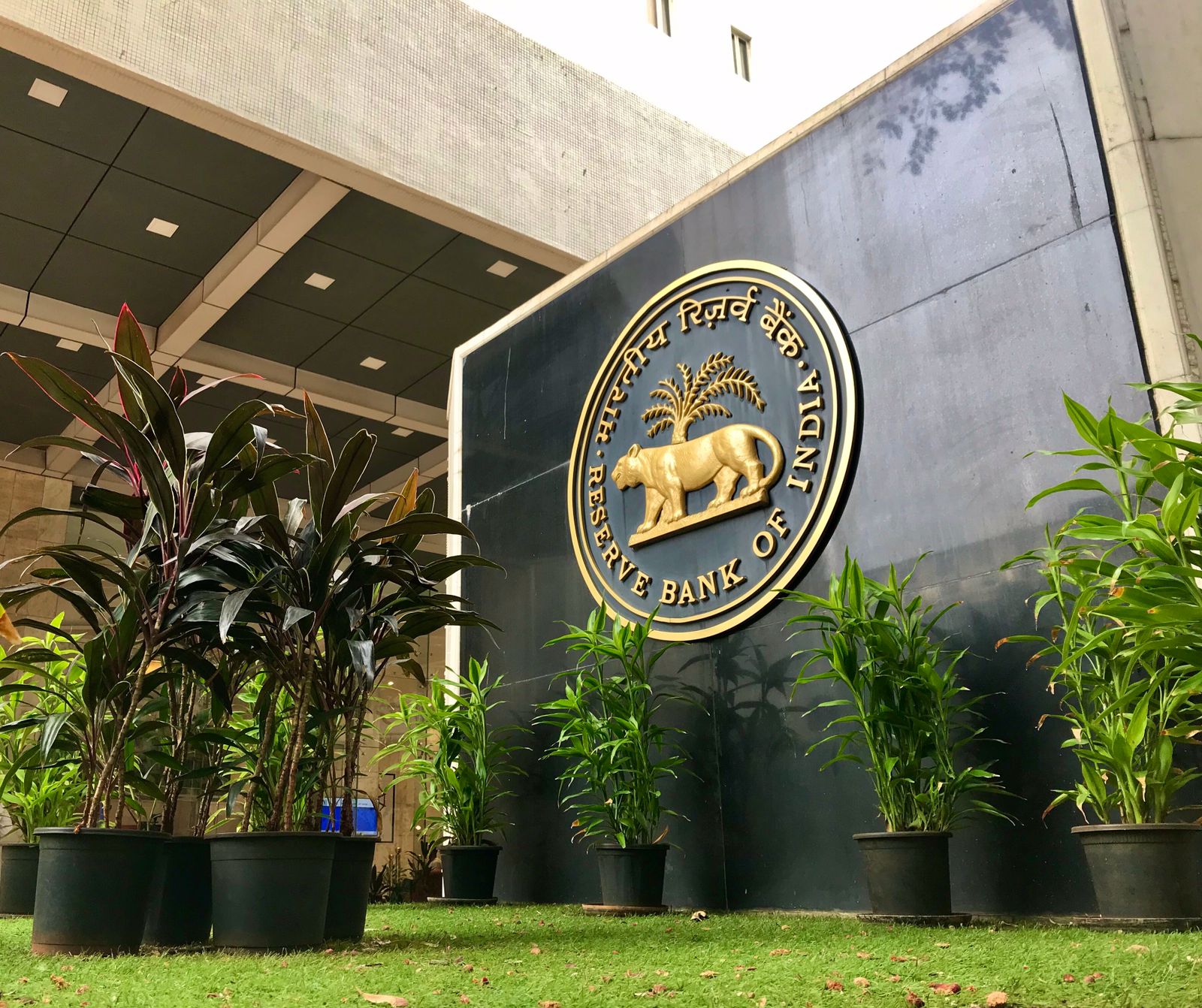
The Reserve Bank of India released a discussion paper on charges in payment systems.
The discussion paper, released on Wednesday, follows an announcement by the regulator in December 2021, where it had said that it would seek public comments on how charges should be levied on digital payment systems.
"In any economic activity, including payment systems, there does not seem to be any justification for a free service, unless there is an element of public good and dedication of the infrastructure for the welfare of the nation," the central bank said in its discussion paper.
However, the RBI did not specify whether it is in favour of or against levying charges on customers in its discussion paper.
Instead, the regulator has asked the respondents a series of questions, depending on the payment system in discussion.
The discussion separates payment systems into two categories: fund transfer payment systems, which enable peer-to-peer transactions, and merchant payment systems, which facilitate the purchase of goods and services.
Fund transfer payment systems mainly include real-time gross settlement system, national electronic fund transfer system and immediate payment services.
Merchant payment systems mainly include card networks and prepaid payment instruments.
In fund transfer payment systems, charges are usually added on top of the amount to be transferred, on a flat fee basis. The charges are recovered from either the originator or the receiver, depending on the type of system.
In case of merchant payments, charges are usually recovered from the merchants, through a merchant discount rate.
The discussion paper delves into the structure of charges applicable right now and whether they need to be amended to ensure that payment system operators and other stakeholders are adequately compensated for their investments.
The RBI has sought comments from various stakeholders by Oct. 3, after which it will decide on the final guidelines.
Some of the key questions raised by the regulator include:
For RTGS transactions, should RBI prescribe the charges which members can levy on customers, or if it should be market-driven?
Should banks be allowed to charge customers for NEFT transactions, whether initiated online or otherwise?
Should RBI fix a ceiling on charges that can be imposed on IMPS?
Should RuPay cards be treated differently from debit cards linked to international card networks?
Should MDR for debit cards be a percentage of the transaction value or should it be a fixed amount irrespective of the transaction value?
Instead of MDR, should RBI regulate interchange for credit card transactions?
Should the charges structure for merchant payments done using PPIs be akin to that of debit cards?
If unified payments interface transactions are charged, should MDR for them be a percentage of transaction value or should a fixed amount, irrespective of the transaction value, be levied?
Should the levy of charges by merchants be marginal cost-based, meaning that only the additional costs incurred by them for facilitating a digital payment transaction should be recovered from the users?

-
Navigating Friction And Energy Realities: An Analysis Of Marco Rubio's October Visit To India

Occurring at a critical juncture marked by stalled trade negotiations and escalating geopolitical pressures over global energy supplies, the visit offers a profound window into modern US-India relations.
-
India Exports Capital. Why Not Export Trusteeship?
The big question, then, is whether India can build an institution that global borrowers, investors, banks, and lawyers can trust, even without an Indian connection.
-
France's Economy & Politics Are In Crisis | The Reason Why
Let's look at how the French economy and politics evolved under Nicolas Sarkozy, Franois Hollande and Emmanuel Macron.
-
You May Inherit The Business. You Must Earn Its Credibility.
Succession tests the founder's ability to share authority as much as it tests the next generation's readiness to assume it.
-
Signing Deals Is One Thing; Making Them Work Is Another | The Week In Whys
Sometimes, things don't turn out as planned. Indian companies have lost some bids to rivals, some projects won't produce until 2030.
-
FOMC Wall, PERM Suspension, Hospital Stocks | Talking Points This Week
A PERM suspension would directly affect green-card sponsorship rather than H-1B visas, so the near-term earnings impact could remain relatively limited. The key question is whether this marks a new phase in US scrutiny of Indian IT.
-
Everything, Everywhere, All At Once: Dalal Street's Week To Forget | Joining The Dots
Visa curbs, a Starlink spat and cancer drug caps: what connects this week's shocks for Indian markets
-
India Is Going Abroad For Critical Minerals. But It May Take Years To Pay Off | The Reason Why
Although India's steps are in the right direction, they remain modest compared with India's growing dependence.
-
When Everyone Has AI, What Gives You An Edge?
India's young workforce is entering an uncertain world of work where powerful AI tools are becoming widely accessible. The advantage will belong to those who combine deep expertise with digital fluency, and the distinctly human capabilities that technology cannot manufacture.
-
Wrong Labels, High Pesticide Residues Holding Back Agri Exports | The Reason Why
India needs stronger domestic food-safety and labelling standards, with best practices becoming part of everyday business for farmers, traders and food companies.










