RBI Rejects ESAF Small Finance Bank’s Stake Transfer Plan To Dia Vikas Capital
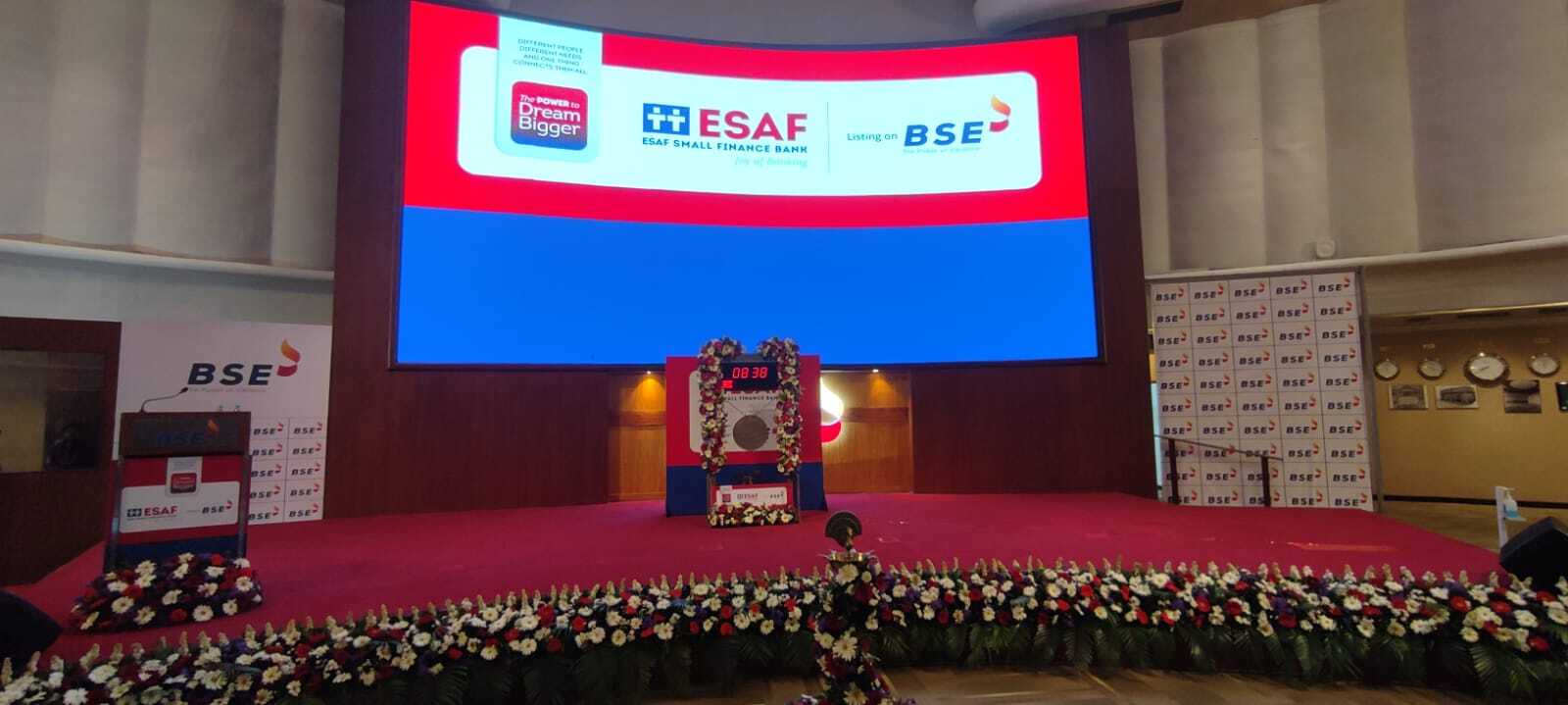
The Reserve Bank of India has rejected a proposal by ESAF Small Finance Bank to issue a 12.17% stake to Dia Vikas Capital, a move that was aimed at reducing promoter shareholding in the bank.
Currently, ESAF Financial Holdings, the promoter of ESAF SFB, holds a 52.92% stake in the lender. As per small finance bank licensing norms, promoters are required to bring down their stake to 26% within 12 years of commencing operations—by 2032 in ESAF's case.
The proposal, submitted in December 2024, sought to restructure shareholding by cancelling Dia Vikas Capital's existing stake in the promoter company and issuing it direct equity in the small finance bank. The arrangement was expected to help ESAF Financial Holdings meet the Reserve Bank's ownership dilution requirements without changing the overall effective control structure.
With the central bank's rejection, ESAF Financial Holdings will now need to explore alternate routes to comply with shareholding guidelines. The setback could delay the promoter's timeline for bringing down its stake, unless a fresh mechanism is approved by the regulator.
This development comes amid the RBI's cautious stance on ownership and licensing matters. Recently, the central bank also returned Jana Small Finance Bank's proposal for a universal banking licence, underscoring its scrutiny of ownership structures and compliance readiness among small finance banks seeking to transition or diversify.
The Bengaluru-headquartered lender had applied to transition from a small finance bank to a universal bank in June this year.
The application was made in compliance with the RBI guidelines for 'on tap' licensing of small finance banks in the private sector, issued on Dec. 5, 2019, and in accordance with the RBI circular on the voluntary transition of small finance banks to universal banks, on April 26, 2024.

-
Talking Points This Week: Leadership Shock At Nvidia, Earnings Strength, And The Fog Over Hormuz

The Anthropic IPO pricing and first trading day, Nvidia's upcoming earnings, and any fresh signals from Iran will set the tone for the following week.
-
Signature Play: The Classic Cocktail Is Dead. Or Is It?
Classic cocktails are disappearing from India's cocktail menus. But they're still being ordered, taught to bartenders and borrowed from. So, who's really having the last drink?
-
A New Samvat Wishlist: Inclusive Prosperity And Human Development
India has strengthened its economic foundations through infrastructure, digital access and enterprise. Its next growth chapter must deepen productivity, create better livelihoods and widen participation in prosperity.
-
Love, Sex Aur Dhokha: The Audacious Plot To Spy On Jensen Huang
A Taipei dinner, a Singapore chip buyer and a suspected Chinese asset: inside the alleged spy operation that got close to NVIDIA's Jensen Huang.
-
Ten Things I Learnt This Samvat
Patience can be a trap. Cheap stocks can stay cheap. Leverage can wipe you out. What did Samvat 2082 teach us? Niraj Shah writes on 10 lessons from the year gone by.
-
Talking Points This Week: Tech Nerves, FII Buying, And A Faraway Banking Shock
The global markets are not shining this Diwali. The exception in the large markets is, India.
-
Midterm Rally Lasted A Day. The Hard Reality Of A Divided US May Last Two Years | Opinion
Between a contested AI boom, a debt ceiling that arrives in 2027 and a president with every incentive to act alone, the next two years may prove more volatile than the first day's rally suggests.
-
Blue Wave Will Derail the AI Trade but Won't Dismantle the AI Era | Unhedged Position
The Democrats' sweep of the US Congress will see politics collide with economic forces both over the long and short term.
-
It's Time To Take The GST Council's Bet On Trust Global
Payment records can prove India's services exports, and clear, proportionate rules can bring foreign digital sellers into the tax net.
-
Opinion | India at 38: From Innovation Overperformer to Innovation Powerhouse
India now has 453 VC-backed deep science startups, 18 of them late-stage, after 117 percent growth since 2020. Laurus Labs, at USD 9.3 billion, is the most valuable deep science company in any middle-income economy outside China.









