Megacities Are Posing Unique Test For FMCG Companies, Says Nestle India MD
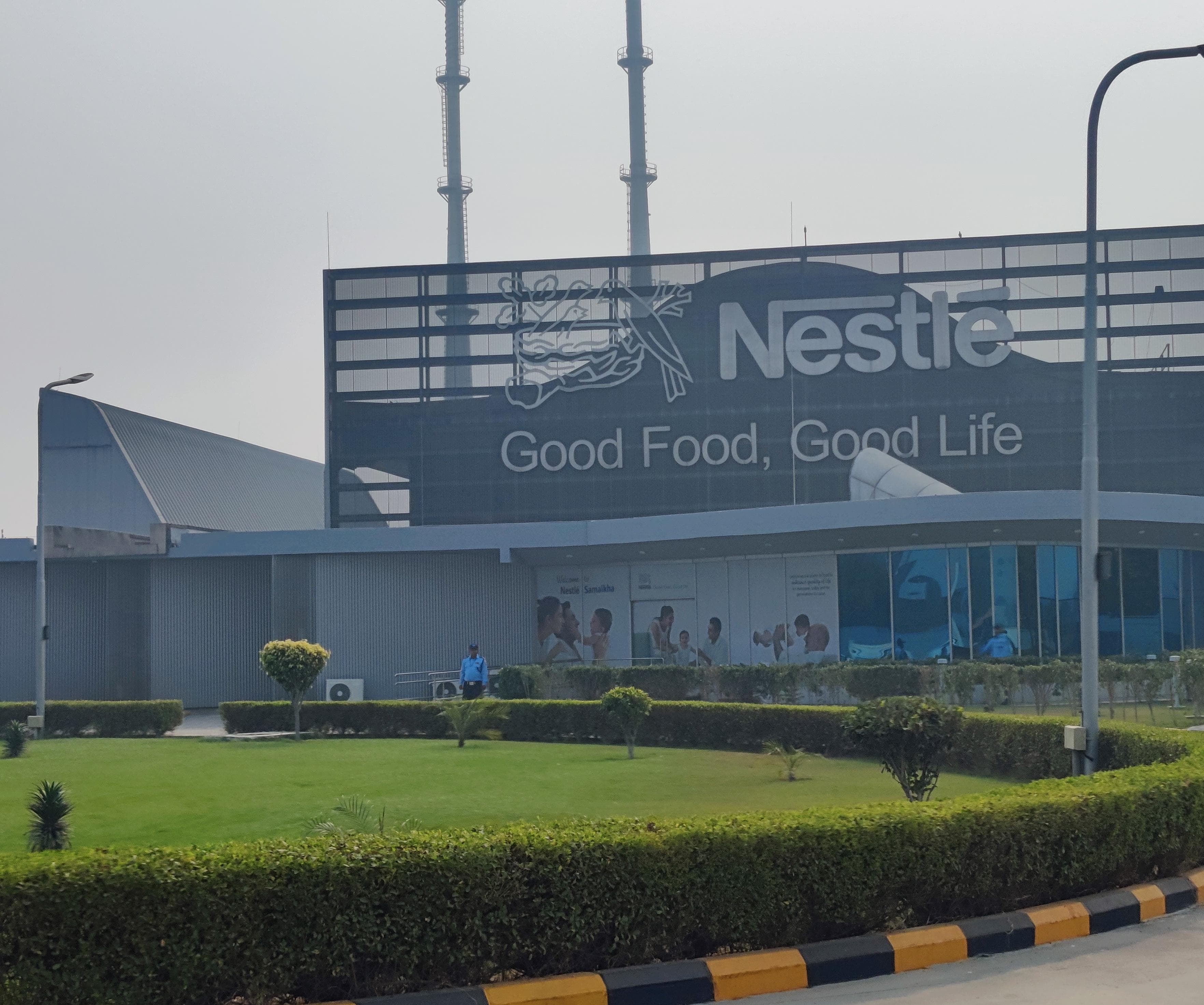
India's middle class is tightening its purse strings as persistent high food inflation strains household budgets, according to Nestle India Ltd. Chairman and Managing Director Suresh Narayanan. Traditionally viewed as a segment with considerable purchasing power, these consumers living in megacities are now spending less, a shift he describes as a trend that's "going out of style". This change is hurting consumer goods companies, leading to subpar volume growth, compared to the double-digit growth rates seen in previous years, he said.
"The FMCG market has become highly polarised," Narayanan told reporters at the company's plant in Samalkha, Haryana on Tuesday. Metros and mega cities are now emerging as "pressure points", while affluent consumers continue to splurge, and rural markets hold steady aided by a good monsoon, he said. "It is almost like we are operating in two Indias."
He, however, doesn't see this as a long-term phenomenon. "If we [the country] have to grow the way our ambitions are on per capita income, we can't have a consumption growth of 3-4%. So, I reckon it is problem of a few quarters."
Tata Consumer Products and Dabur are among companies that have also called out stress in cities, that has been as a drag on their overall growth.
In the July-September quarter of fiscal 2025, the maker of Maggi instant noodles reported a 1.5% decline in volume growth. Categories such as milk and nutrition, chocolates as well as confectionary were particularly affected amid price hikes and rising regional competition, Narayanan said.
To revive volumes, he said that the first thing that the company has to do is correct the price-value equation. "But today, we are constrained as adjusting the equation would mean that I get into a loop of very low to negative returns, which will eventually hurt the company," he explained.
The chairman further said that Nestle's Munch was contending with increasing regional competition. "Going forward, this brand will be addressed more fundamentally, such as accelerating the premium part of its portfolio."
Besides, Nestle India is planning further price hikes of coffee and chocolates due to soaring commodities costs. Cocoa, for instance, has experienced a 2.5-fold increase in cocoa prices and there has been a 60-70% rise in coffee prices over the last year, Narayanan said.
The packaged consumer goods maker raised prices by 15-30% last year on large packs to offset cost pressures and vacated lower price points of Rs 5 to protect margins.
Narayanan, however, remains optimistic of a gradual demand revival. “Mega cities and metros will go through their own pain points. Once they come back—which will also play a role in overall economic revival—and rural starts to improve, then we are reasonably on the road to recovery,” he said.
FMCG Sector Under Strain|Watch

-
Indians Are Travelling, But Not Every Journey Is A Holiday | The Week In Whys

Pilgrims, patients and working women are the real travellers, and the system hasn't quite caught up with them.
-
Getting To Work Costs Women More | The Reason Why
It is not just about women paying more than men. It is about women paying much more in cities than in villages.
-
AI Bias In Investing Cannot Be Eliminated, But It Can Be Governed
Framing is a particularly important example as identical financial information presented in terms of gains rather than losses can lead an LLM to reach a different assessment.
-
Joining The Dots | Dark Skies, Steady Diya: Why Hope Holds This Diwali
With war, a weak rupee and foreign outflows weighing on sentiment, policymakers at the NDTV World Summit and market veterans at NDTV Profit Ignite: Diwali Edition offered the same advice: stay invested and filter out the noise.
-
The Curious Case of Equitas Small Finance Bank And A CEO Who Quit For Stock
PN Vasudevan believes persistent investor concerns over a perceived conflict of interest had become a governance overhang on Equitas Small Finance Bank's stock, even as the lender improved profitability and asset quality.
-
Talking Points This Week: AI Cash Burn, A Tiger Comeback And An India That Still Finds Its Own Path
India is not immune to higher oil or tighter global liquidity, yet its earnings base is broader, its domestic policy levers are still available.
-
Foreign Investors Own Half Of HDFC Bank and ICICI Bank. An LTCG Cut Could Matter Most Here
Foreign portfolio investors have US$115 billion parked in HDFC Bank, ICICI Bank. If the government cuts long-term capital gains tax, Jefferies says returning foreign money could land here first.
-
'Never Seen This Level Of Negativity': Sandeep Tandon Says The Next Rally May Be Closer Than You Think
Veteran investor Sandeep Tandon says foreign selling is easing, large-caps are due a comeback and mid-caps are crowded, while he turns positive on gold, power and pharma this Diwali.
-
Indians Stay With Family, Not In Hotels | The Reason Why
India still lacks enough clean, reliable and affordable hotels for budget-conscious travellers.
-
The Economic Imperative: Analysing The Material Driving Force Behind India-Canada Strategic Reset
This economic complementarity is further reinforced by deep institutional investment ties and talent mobility, which form the bedrock of the bilateral framework.










