GST Cuts Power India's Highest Navratri Sales In 10 Years In Auto, Appliances Sectors
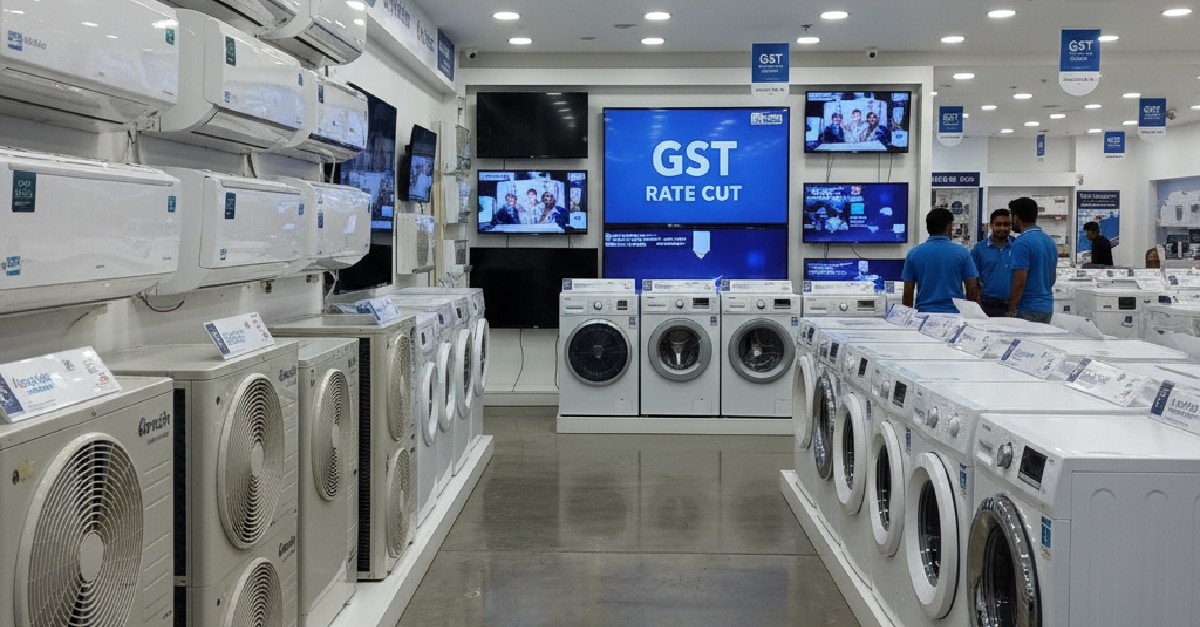
From automobiles to electronics, all segments of the Indian consumer economy saw a sharp rise in their festive sales during the nine-day festival of Navratri, turning festive cheer into record-breaking consumption after recording the highest sales in over a decade, according to government sources.
The consumer sentiment is believed to be boosted by the incumbent government's NextGen GST reforms that reduced tax rates across categories and made products more accessible.
These measures not only induced price cuts but also unlocked consumer aspirations, enabling families to upgrade vehicles, invest in home appliances, and spend more freely on lifestyle goods.
Brands & retailers reported sales growth ranging from 25% to 100% while in consumer electronics space, LG, Haier, and Godrej Appliances reported high double-digit sales growth this Navratri compared to last year.
Haier's sales soared 85%, sales at Reliance Retail grew by 20-25% driven by large-screen TVs, smartphones, and fashion and those at Electronics retail chain Vijay Sales also saw a 20% year-on-year sales growth. LG Electronics India also noted "exponential growth" in sales this Navratri season.
Auto Sales
Major auto players such as Maruti Suzuki saw sales doubling from the year-ago period. Maruti reported 1,50,000 bookings and expects to reach 200,000 bookings. The company retailed 85,000 vehicles last Navratri, as per reports. On the first day of Navratri, Maruti delivered record 30,000 cars, its best single-day performance in 35 years.
Mahindra & Mahindra saw retails jump 60% year-on-year. At Hyundai, the surge in demand for models like Creta and Venue pushed SUVs' share of total sales to over 72%. Apart from this, showroom footfalls of two-wheeler maker Hero MotoCorp have doubled this Navratri with high traction in the commuter segment. Tata motors also retailed more than 50,000 vehicles during the festive period, with demand from Altroz, Punch, Nexon and Tiago models. Sales of Bajaj Auto also went up during Navratri.

-
Ten Things I Learnt This Samvat

Patience can be a trap. Cheap stocks can stay cheap. Leverage can wipe you out. What did Samvat 2082 teach us? Niraj Shah writes on 10 lessons from the year gone by.
-
Talking Points This Week: Tech Nerves, FII Buying, And A Faraway Banking Shock
The global markets are not shining this Diwali. The exception in the large markets is, India.
-
Midterm Rally Lasted A Day. The Hard Reality Of A Divided US May Last Two Years | Opinion
Between a contested AI boom, a debt ceiling that arrives in 2027 and a president with every incentive to act alone, the next two years may prove more volatile than the first day's rally suggests.
-
Blue Wave Will Derail the AI Trade but Won't Dismantle the AI Era | Unhedged Position
The Democrats' sweep of the US Congress will see politics collide with economic forces both over the long and short term.
-
It's Time To Take The GST Council's Bet On Trust Global
Payment records can prove India's services exports, and clear, proportionate rules can bring foreign digital sellers into the tax net.
-
Opinion | India at 38: From Innovation Overperformer to Innovation Powerhouse
India now has 453 VC-backed deep science startups, 18 of them late-stage, after 117 percent growth since 2020. Laurus Labs, at USD 9.3 billion, is the most valuable deep science company in any middle-income economy outside China.
-
Navigating Energy Crossroads: S Jaishankar's Call For Diversified Supply Chains At G20 Ministerial Meeting
As geopolitical fault lines continue to test maritime trade routes and commodity flows, Jaishankar's message remains pertinent: true economic resilience requires open markets, protected transit lines, and a genuine commitment to multilateral cooperation rather than coercion.
-
Indians Are Travelling, But Not Every Journey Is A Holiday | The Week In Whys
Pilgrims, patients and working women are the real travellers, and the system hasn't quite caught up with them.
-
Getting To Work Costs Women More | The Reason Why
It is not just about women paying more than men. It is about women paying much more in cities than in villages.









