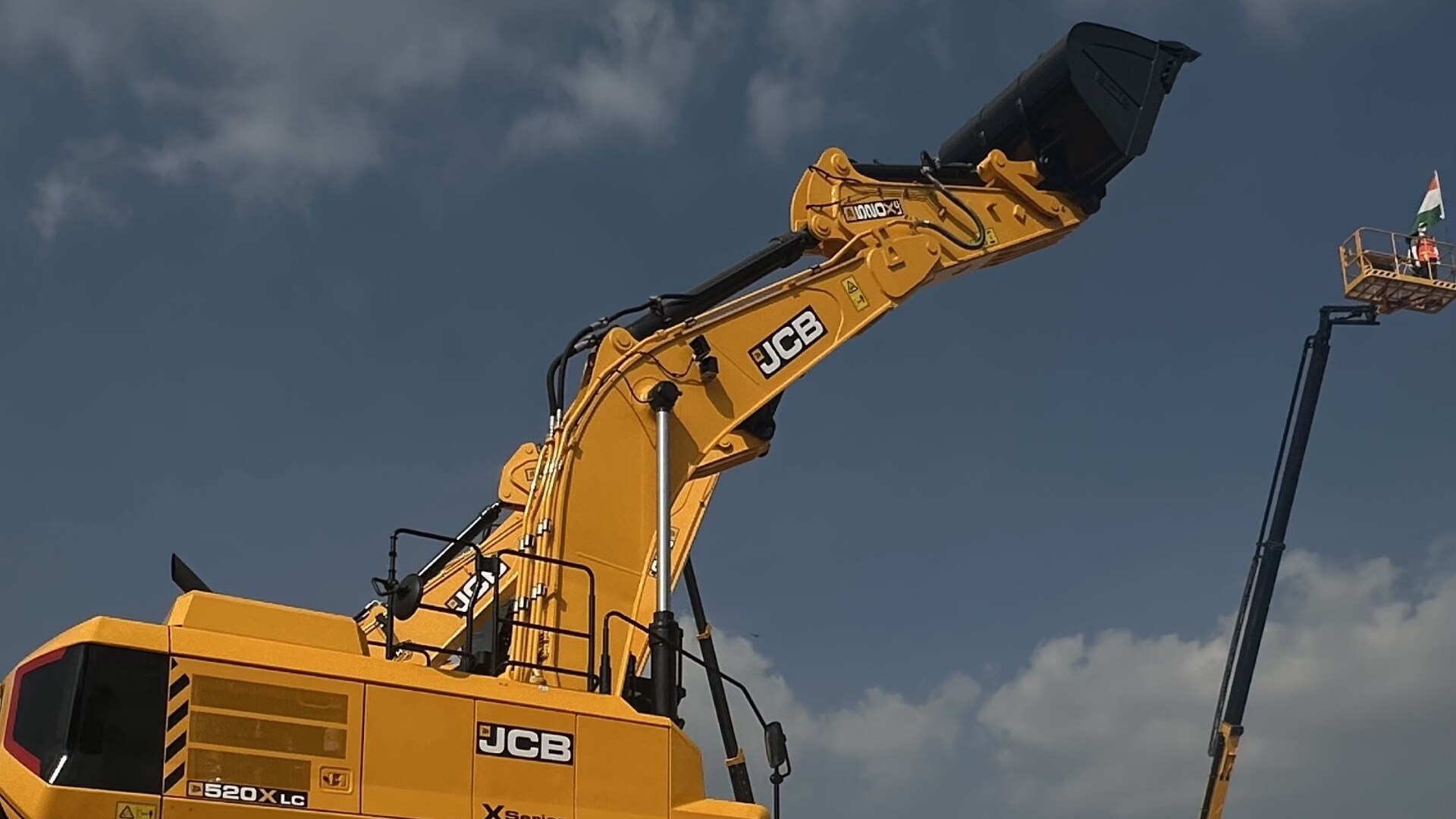
JCB India used this year's Excon exhibition to make an unmistakable statement about where it sees the future of construction machinery.
The company put more than a dozen fresh machines and digital systems on display, but it was the hulking 52-tonne excavator, towering over visitors, that naturally became the crowd magnet. JCB says it's the largest excavator it ever produced in India, and judging by the attention it drew on the show floor, the size alone was enough to spark conversations.
However, the company didn't just arrive with big machines. It also broadened its compact offerings, adding excavators in the 2- to 5-tonne category and refreshing its backhoe loaders. Engineers have tinkered with fuel efficiency and comfort features this time, acknowledging that infrastructure work in the country ranges from narrow urban job sites to large-scale industrial projects.
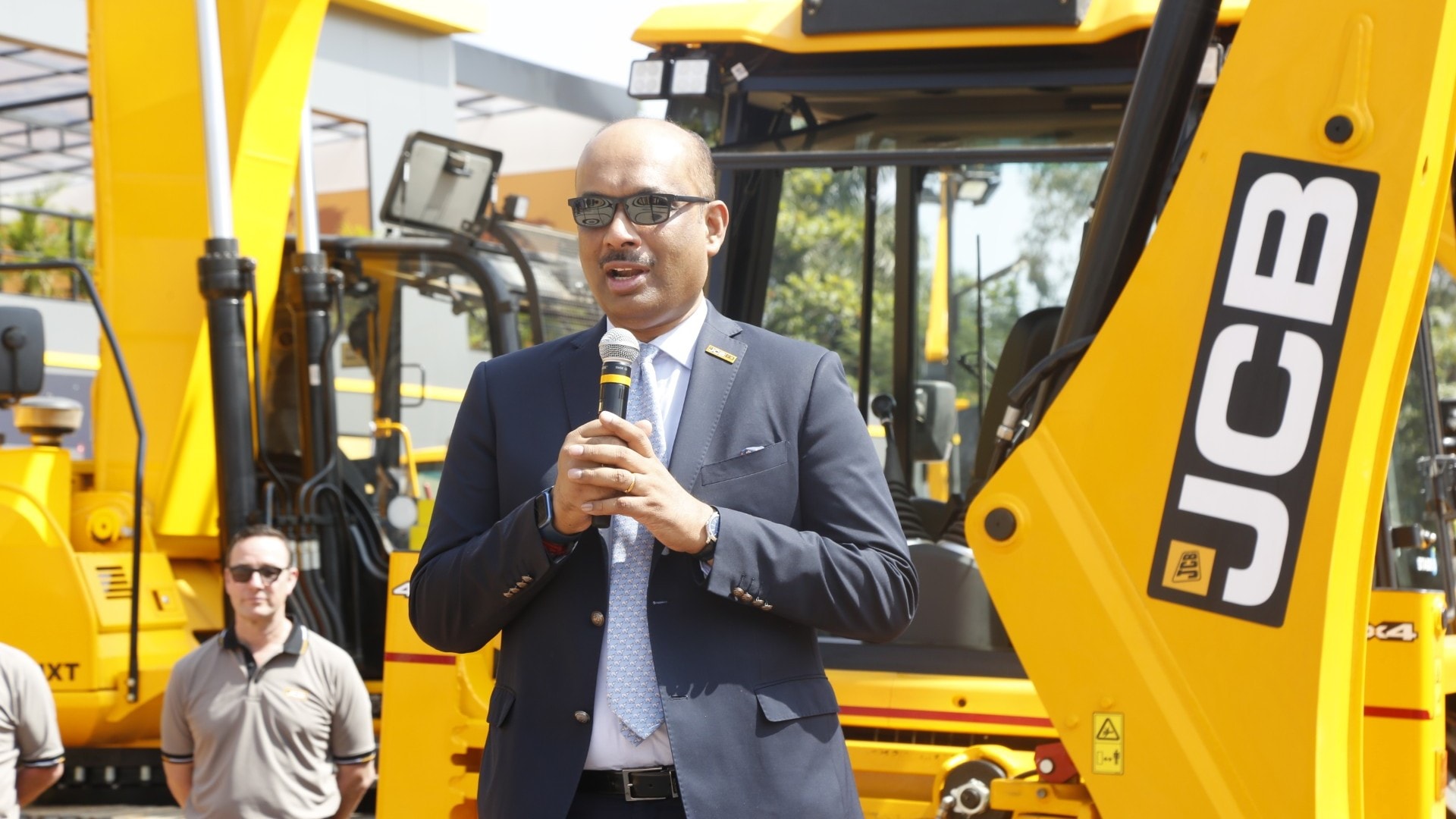
Speaking at the venue, JCB India Chief Executive Officer Deepak Shetty called Excon a "pulse check" for the entire industry. According to him, the footfall isn't limited to domestic contractors, international buyers are beginning to take interest in Indian-made equipment. That shift could eventually elevate India from a manufacturing base to an export hub in the construction equipment space.
A Lean Toward Hydrogen
Amid the metal and hydraulics, JCB's real pitch seems to be a bet on hydrogen. Two years after surprising the industry with a hydrogen-powered backhoe loader, the company has added a hydrogen genset to its evolving green portfolio. While still an emerging fuel option globally, JCB appears convinced that hydrogen might be the long-term answer for heavy industry, especially where batteries can't provide the required power density.
Shetty suggested the company isn't waiting for regulations to catch up. By integrating cleaner tech now, JCB hopes to stay ahead of any market push, or pushback, around future emissions mandates.
Digital Touchpoints for Owners
The hardware wasn't the sole focus. JCB is trying to modernise how machines are owned, serviced, and managed. To that end, the company has launched an online parts store — Parts Online, intended to give customers a direct way to order spares instead of navigating the usual dealer-led process. The goal is convenience: browse, check compatibility, place orders, and track availability digitally.
JCB also highlighted upgrades to its telematics stack. Its machines can now stream diagnostic and performance data in real time, letting contractors monitor operation patterns and health parameters much like fleet tracking in logistics. Complementing this is a new Operator App, an extension of JCB's Skill Development Programme, which allows drivers and site personnel to log maintenance records and follow service schedules without paper-based checklists.
Training Goes Virtual
Another curious display at the JCB stall wasn't a machine at all. It was Daksh, a simulator designed to teach operators how to handle backhoe loaders in a virtual environment. The company says the response has been encouraging enough to green light a similar simulator for excavators, expected by 2026. Virtual training isn't just about convenience — it reduces risk and saves fuel by moving a large part of the learning curve out of real-world job sites.
The Bigger Picture
JCB's footprint in India has been steadily growing, with more than 700 dealer outlets and a sizable mobile service fleet supporting customers in remote zones. Yet, the company's strategy at Excon 2025 reveals something more layered: the machines may still be heavy, but everything around them, fuel choices, service practices, training modules, and parts procurement — is becoming lighter, faster, and digital.
If the exhibition was meant to hint at where the market is headed, JCB's message was hard to miss: the future of construction equipment isn't just about bigger engines or tougher metal. It's about pairing those things with cleaner energy and smarter ecosystems.
Essential Business Intelligence, Continuous LIVE TV, Sharp Market Insights, Practical Personal Finance Advice and Latest Stories — On NDTV Profit.