Dabur Spices Meet FSSAI Regulations, CEO Assures No Use Of Ethylene Oxide
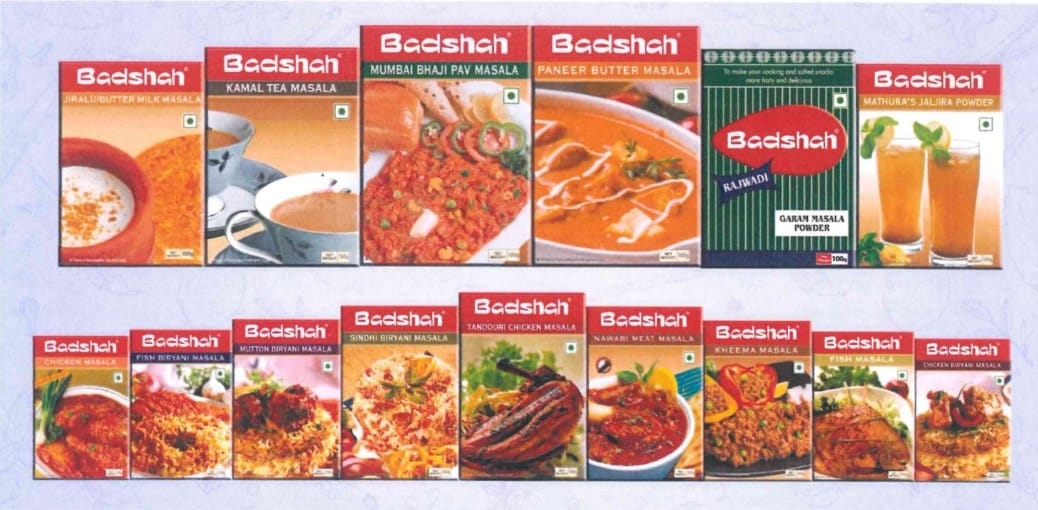
Dabur India Ltd. said on Thursday that its masala powders are safe and free from any regulatory issues in light of recent contamination concerns surrounding MDH and Everest spices. Dabur does not treat its Badshah spice mixtures for the domestic market with the carcinogenic ethylene oxide, and their use in international markets complies with prescribed limits, according to the company.
"All our spices comply with the regulations set up by FSSAI for Indian markets and by the Spice Board of India for the overseas markets," Mohit Malhotra, chief executive officer, Dabur India, said in a post-earnings call.
Dabur's Badshah brand has not been banned anywhere, he clarified.
For exports, Dabur's ethylene oxide treatment, which is used to prevent microbial growth, adheres to the limits set by the Indian Spice Board. Each consignment undergoes testing by the Spice Board to ensure compliance with their regulations and specifications before being shipped out, he said.
The clarification follows last month's recall of popular Indian spice blend brands—MDH and Everest—in Singapore and Hong Kong due to high levels of ethylene oxide, which is unfit for human consumption and can cause cancer over long exposure. Australia's food safety agency and the US Food and Drug Administration have also stepped up scrutiny of spices sold by Indian companies to decide if any action is required.
India has banned the use of ethylene oxide in food products. However, as global regulators investigate suspected contamination in MDH and Everest spices, the Food Safety and Standards Authority of India has ordered testing and inspections at all spice-making companies on various safety and quality parameters, including the presence of ethylene oxide.
The Spices Board has released comprehensive guidelines for exporters to prevent ethylene oxide contamination in spices. The guidelines discourage the use of ETO as a sterilising agent to reduce microbial contamination in spice shipments and instead recommend steam sterilisation and irradiation as alternative methods, excluding certified organic goods. It has also mandated ETO testing for all packaged spices exported to Hong Kong and Singapore. This testing comes into effect from May 6.
Dabur has established a microlab to guarantee the sterilisation of their export batches, emphasising quality control, Malhotra said. It has already opted for steam sterilisation for exports instead of ethylene oxide.
In the financial year ended March 2024, Dabur's Badshah Spices business grew 23.2% on the back of focused marketing efforts and a rejuvenated portfolio.
Malhotra sees a significant opportunity to expand its spice business, given that the majority of the market remains unbranded. In the masala business, the company has resorted to price cuts, with inflation showing signs of easing, which has stimulated volume growth. Dabur's management is hopeful that Badshah's margins will grow going forward, driven by high price hikes.
India exported spices worth $3.95 billion in 2022–23, per the Spices Board.
Quality concerns could threaten over half of India's spice exports, according to an analysis done by the research body Global Trade Research Initiative. It pegs the value of spices exported to the United States, Hong Kong, Singapore, Australia, and Male in the fiscal year 2024 at approximately $692.5 million.
"I hope the issue is behind the entire industry," said Malhotra.
He does not foresee any new opportunities arising for the company's spice portfolio due to the recent controversy involving market leaders.

-
We May Need Another Tukaram Mundhe To Fight Air Pollution | The Reason Why

Developers may install basic measures such as sprinklers and green nets, resume work, and continue violating rules when this equipment stops working.
-
Extracting Value From Battery Scrap Could Be Challenging For India | The Reason Why
A discarded lithium-ion battery still contains valuable materials such as lithium, nickel and cobalt. These can be recovered and reused. When such batteries are crushed and shredded, they produce a dark powder called black mass.
-
One El Nino, India Can Handle. Two Could Break The Granary
India's grain stocks can absorb one bad year, but a second El Nino could drain the buffer in two to three years, economists say.
-
India's Troika Of Good Luck | Joining The Dots
As Jensen Huang's exit drags Nvidia down, a cooling AI trade and resilient earnings have revived investor interest in India. A likely RBI rate hike looms.
-
Talking Points This Week: Leadership Shock At Nvidia, Earnings Strength, And The Fog Over Hormuz
The Anthropic IPO pricing and first trading day, Nvidia's upcoming earnings, and any fresh signals from Iran will set the tone for the following week.
-
Signature Play: The Classic Cocktail Is Dead. Or Is It?
Classic cocktails are disappearing from India's cocktail menus. But they're still being ordered, taught to bartenders and borrowed from. So, who's really having the last drink?
-
A New Samvat Wishlist: Inclusive Prosperity And Human Development
India has strengthened its economic foundations through infrastructure, digital access and enterprise. Its next growth chapter must deepen productivity, create better livelihoods and widen participation in prosperity.
-
Love, Sex Aur Dhokha: The Audacious Plot To Spy On Jensen Huang
A Taipei dinner, a Singapore chip buyer and a suspected Chinese asset: inside the alleged spy operation that got close to NVIDIA's Jensen Huang.
-
Ten Things I Learnt This Samvat
Patience can be a trap. Cheap stocks can stay cheap. Leverage can wipe you out. What did Samvat 2082 teach us? Niraj Shah writes on 10 lessons from the year gone by.
-
Talking Points This Week: Tech Nerves, FII Buying, And A Faraway Banking Shock
The global markets are not shining this Diwali. The exception in the large markets is, India.









