Consumers Call for Change In Advertising Regulator Amid Growing Mistrust: LocalCircles
Consumers are advocating for a change in advertising regulators as their trust in ads continues to decline in an era marked by an overwhelming amount of digital content. They say that current regulations fall short in protecting them from misleading and deceptive marketing practices.
As many as 78% of consumers want the Central Consumer Protection Authority to take over the regulation of advertising from the Advertising Standards Council of India, according to a survey conducted by LocalCircles. The findings are based on 37,000 responses from 312 districts.
Over 73% have expressed concerns over misleading claims and inadequate standards in the advertising industry, leading to demands for greater transparency and accountability. They feel regulation of misleading ads can be made more effective by transitioning the responsibilities from the industry body ASCI to the CCPA. However, as many as 11% feel that ASCI is "already effective and the current self-regulation system should continue."
The survey showed that 25% of consumers have zero trust in advertisements, and at least 53% have low trust. As many as 84% indicated that they have come across at least a few advertisements endorsed by celebrities in the last 12 months, which they later found to be misleading. The survey showed that 52% have come across "several" of such misleading ads and 32% have come across "few of them."
"Misleading advertisements continue to be regulated through the industry body ASCI and complaints are also filed with Broadcast Seva, the Press Council of India and the National Consumer Helpline," according to LocalCircles.
LocalCircles will escalate the findings of this survey to the key stakeholders for action.
The survey comes at a time when India is planning to bring in a unified system to tackle consumer complaints against misleading ads, days after the Supreme Court pulled up the government citing inadequate action.
Recently, the Supreme Court mandated all companies to submit a self-declaration form before advertising any product. The apex court has also asked influencers and celebrities to endorse products with a sense of responsibility.
These actions take place against the backdrop of a surge in misleading advertisements during the pandemic, with numerous brands claiming to protect consumers from the Covid-19 virus or to enhance immunity. Misleading claims spanned a wide range of products, from mattresses and multivitamins to hand sanitisers and ready-made clothing, with many household brands contributing to consumer confusion. Additionally, this period saw the rise of digital influencers, many of whom promoted various products without clearly disclosing their sponsorships.
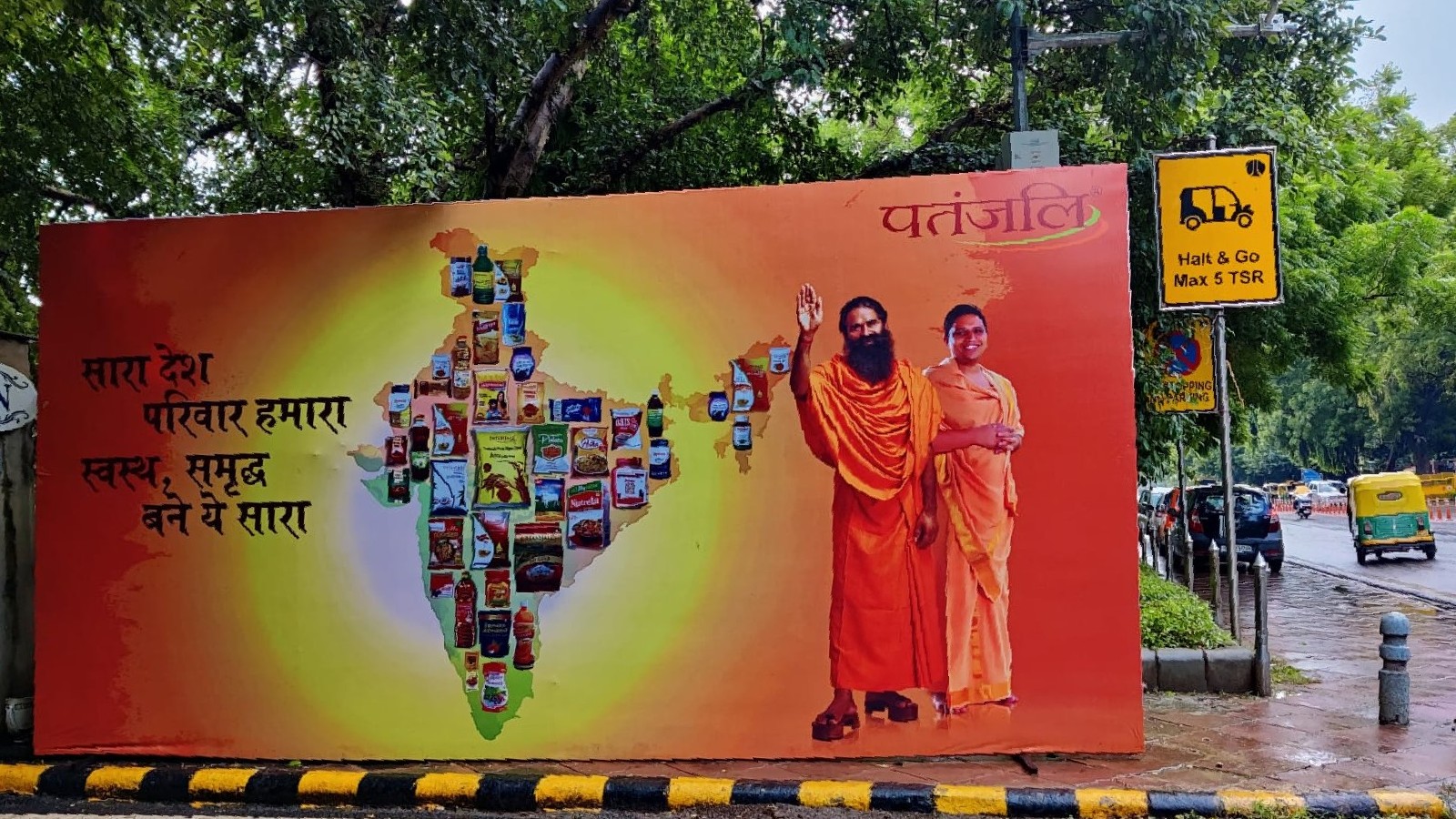
Ramdev-led Patanjali Ayurveda has drawn rebuke from the top court as misleading advertisements have triggered concerns about violations of consumer rights.
"With limited action from self-regulating body ASCI and the government, the misleading ads and influencer media have continued post-pandemic as well, leading to a significant reduction in consumers' trust in advertisements," according to LocalCircles.
The government's plan for a unified mechanism is likely to be presented to the Supreme Court this week by the Ministry of Consumer Affairs.

-
Why Swapping Your Old Gold Can Trigger A Rs 5 Lakh Tax Bill, And How You Can Avoid It Legally

Swapping old gold for new is taxed as a sale and a fresh purchase. Getting your own gold remade can cut most of that bill, though it has its own costs.
-
The AI Trade is Done. The Real Opportunity for Investors Starts in 2027 | Unhedged Position
As pureplay AI stocks plunge and circular, capex-led financing unwinds, 2027 is set to be a year of reckoning for AI companies. Yet the bust clears the way for a better opportunity for investors in 2027 -- shifting the spotlight from AI builders to the companies using AI.
-
Leadership As Mission: Why The Age Of AI Demands More Human Leadership
Debjani Ghosh examines how AI is changing leadership, arguing that its success must be measured by its impact on people and the accountability of those guiding its use.
-
We May Need Another Tukaram Mundhe To Fight Air Pollution | The Reason Why
Developers may install basic measures such as sprinklers and green nets, resume work, and continue violating rules when this equipment stops working.
-
Extracting Value From Battery Scrap Could Be Challenging For India | The Reason Why
A discarded lithium-ion battery still contains valuable materials such as lithium, nickel and cobalt. These can be recovered and reused. When such batteries are crushed and shredded, they produce a dark powder called black mass.
-
One El Nino, India Can Handle. Two Could Break The Granary
India's grain stocks can absorb one bad year, but a second El Nino could drain the buffer in two to three years, economists say.
-
India's Troika Of Good Luck | Joining The Dots
As Jensen Huang's exit drags Nvidia down, a cooling AI trade and resilient earnings have revived investor interest in India. A likely RBI rate hike looms.
-
Talking Points This Week: Leadership Shock At Nvidia, Earnings Strength, And The Fog Over Hormuz
The Anthropic IPO pricing and first trading day, Nvidia's upcoming earnings, and any fresh signals from Iran will set the tone for the following week.
-
Signature Play: The Classic Cocktail Is Dead. Or Is It?
Classic cocktails are disappearing from India's cocktail menus. But they're still being ordered, taught to bartenders and borrowed from. So, who's really having the last drink?
-
A New Samvat Wishlist: Inclusive Prosperity And Human Development
India has strengthened its economic foundations through infrastructure, digital access and enterprise. Its next growth chapter must deepen productivity, create better livelihoods and widen participation in prosperity.









