China Automakers Miss 2023 Sales Goal As Competition Intensifies
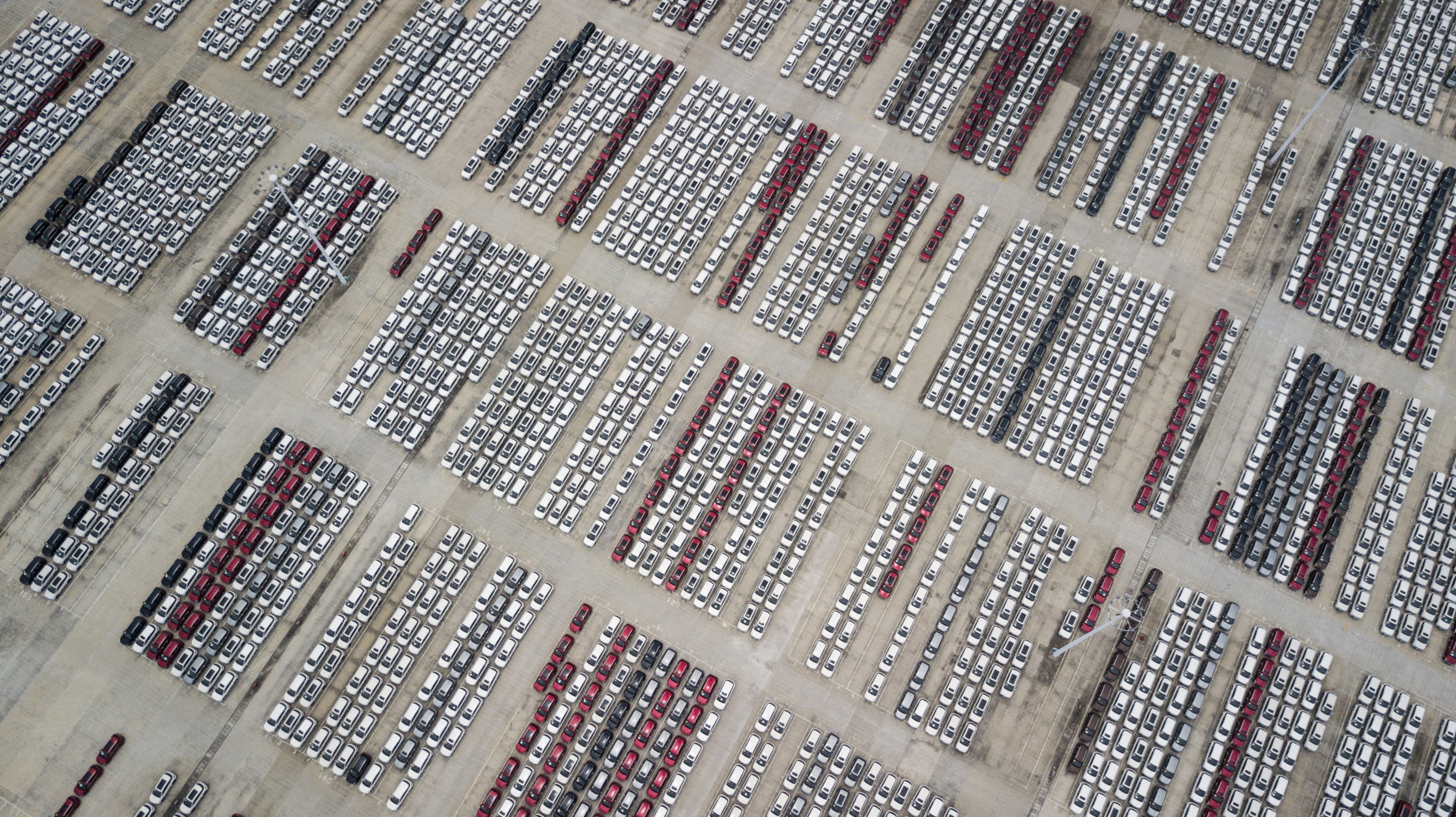
(Bloomberg) -- Just a third of Chinese automakers met their annual sales goal in 2023 as competition in the world's largest car market heats up.
Only four of the 13 brands that have disclosed annual sales figures accomplished their targets, led by electric vehicle maker Li Auto Inc., which delivered 376,030 vehicles in 2023 — exceeding its original goal of 300,000 by 25%.
BYD Co. met its ambitious 3 million target, selling 3.01 million cars in 2023 — in the process overtaking Tesla Inc. as the world's top-selling EV maker. The Shenzhen-based company's rise to dominance with a broad lineup across most price points is squeezing some smaller players as it gobbles up a bigger share of the market.

Geely Automobile Holdings Group Ltd. is so far the only traditional established automaker to meet its annual target, though its EV brand Zeekr delivered only 85% of its sales goal.
Among the underperformers, Nio Inc., Xpeng Inc., and Zhejiang Leapmotor Technology Co. all fell short of their targets for a second straight year, prompting them to reshuffle executive teams, and, in Nio's case, trim its workforce. The misses came even as total sales of battery electric vehicles and plug-in hybrids rose 38% last year to 8.88 million units, according to preliminary data released by China's Passenger Car Association on Wednesday.

Hozon New Energy Automobile Co., which was established in 2014 and focuses on the competitive mass-market EV segment, not only failed to meet its sales goal but also recorded a decline in annual shipments. In response, co-founder and Chief Executive Officer Zhang Yong said on his social media account that he will personally take charge of the marketing team, attributing the underperformance to shoddy marketing and communication, as well as poor pricing and product transition.
“The growth in China's auto market is mainly driven by new-energy vehicles and exports,” said Cui Dongshu, the secretary general of the PCA. “Carmakers that couldn't excel on these two fronts could easily fall behind.”
Demand for gasoline cars is expected to shrink further, he said, adding that shifting to electrified vehicles and expanding into more markets, such as Russia, might be the only way out for the stragglers.
What Bloomberg Intelligence says:
Chinese BEVS have become almost as affordable as internal-combustion engine cars, opening a path to wider adoption. Automakers struggling to migrate to BEVs and PHEVs face earnings risk. Battery-electric and hybrid cars have gone from regulatory box-ticks to market heavyweights.
The fiercer competition on models and pricing has driven more smaller players out. In November, only 82 new energy vehicle makers were able to sell at least one car, compared to 92 last year, according to Bloomberg analysis of data from the China Automotive Technology and Research Center.
“The fast fade-out of China's post-pandemic economic rebound caused tougher-than-expected market competition in 2023,” said Joanna Chen, an auto analyst at Bloomberg Intelligence, adding that pricing headwinds may last through most of 2024 as consumer confidence remains low. “Automakers need to step up EV efforts for volume breakthrough.”
More stories like this are available on bloomberg.com
©2024 Bloomberg L.P.

-
Getting To Work Costs Women More | The Reason Why

It is not just about women paying more than men. It is about women paying much more in cities than in villages.
-
AI Bias In Investing Cannot Be Eliminated, But It Can Be Governed
Framing is a particularly important example as identical financial information presented in terms of gains rather than losses can lead an LLM to reach a different assessment.
-
Joining The Dots | Dark Skies, Steady Diya: Why Hope Holds This Diwali
With war, a weak rupee and foreign outflows weighing on sentiment, policymakers at the NDTV World Summit and market veterans at NDTV Profit Ignite: Diwali Edition offered the same advice: stay invested and filter out the noise.
-
The Curious Case of Equitas Small Finance Bank And A CEO Who Quit For Stock
PN Vasudevan believes persistent investor concerns over a perceived conflict of interest had become a governance overhang on Equitas Small Finance Bank's stock, even as the lender improved profitability and asset quality.
-
Talking Points This Week: AI Cash Burn, A Tiger Comeback And An India That Still Finds Its Own Path
India is not immune to higher oil or tighter global liquidity, yet its earnings base is broader, its domestic policy levers are still available.
-
Foreign Investors Own Half Of HDFC Bank and ICICI Bank. An LTCG Cut Could Matter Most Here
Foreign portfolio investors have US$115 billion parked in HDFC Bank, ICICI Bank. If the government cuts long-term capital gains tax, Jefferies says returning foreign money could land here first.
-
'Never Seen This Level Of Negativity': Sandeep Tandon Says The Next Rally May Be Closer Than You Think
Veteran investor Sandeep Tandon says foreign selling is easing, large-caps are due a comeback and mid-caps are crowded, while he turns positive on gold, power and pharma this Diwali.
-
Indians Stay With Family, Not In Hotels | The Reason Why
India still lacks enough clean, reliable and affordable hotels for budget-conscious travellers.
-
The Economic Imperative: Analysing The Material Driving Force Behind India-Canada Strategic Reset
This economic complementarity is further reinforced by deep institutional investment ties and talent mobility, which form the bedrock of the bilateral framework.
-
Medicine Pricing: Where Must Profit Stop?
India must confront excessive margins, hidden incentives and regulatory gaps that threaten the integrity of medicine.










