BlackRock's Private Credit Arm Falls Prey To $500-Million Credit Fraud By Indian Businessman
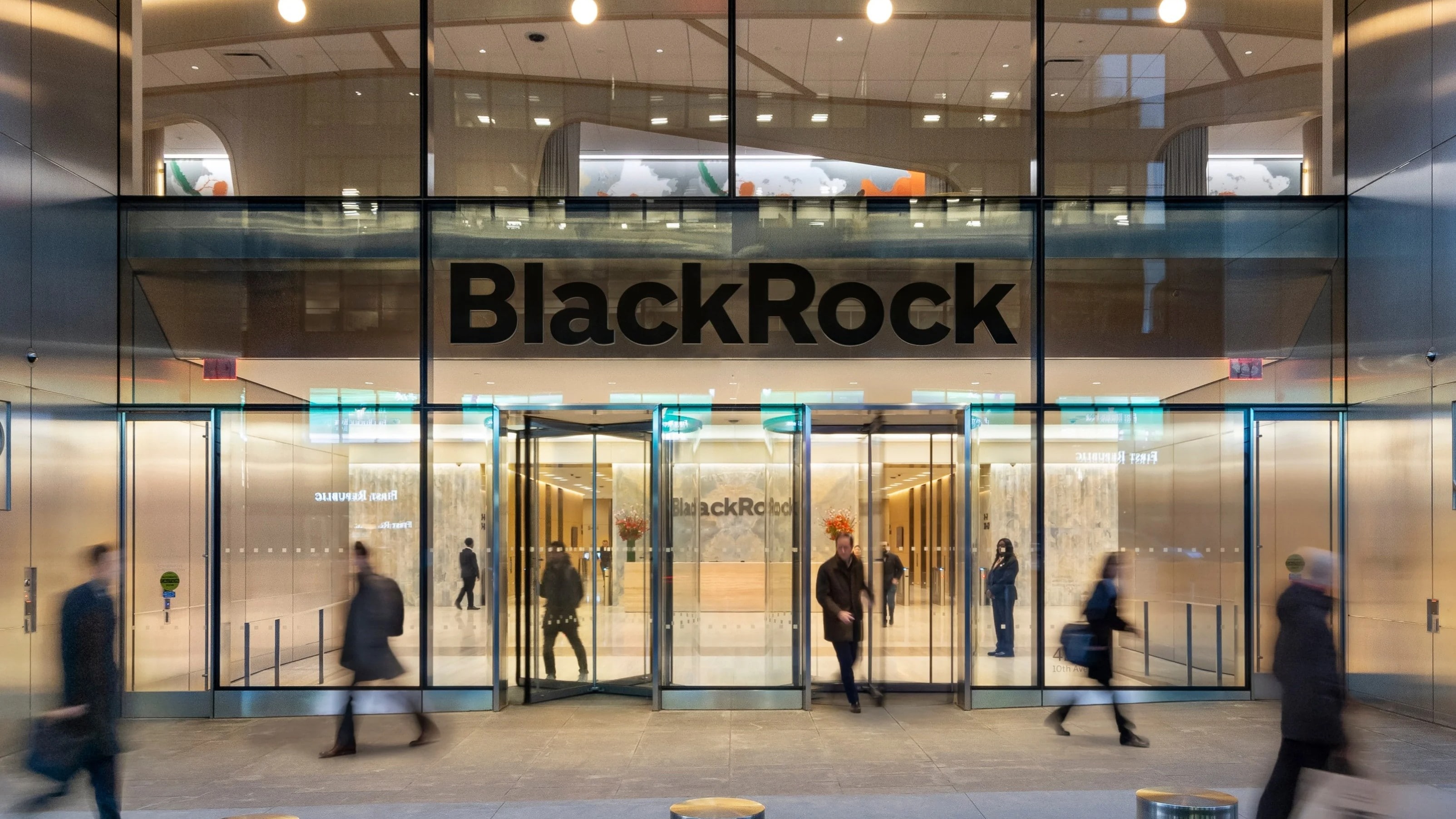
BlackRock's private-credit division has been defrauded of more than $500 million in what is emerging as one of the most significant scams to hit the global private-credit industry. The alleged mastermind, Indian businessman Bankim Brahmbhatt, orchestrated an elaborate deception through his telecom-financing firm, Carriox Capital, which presented fabricated assets as legitimate collateral for large loans, according to media reports.
BlackRock and other lenders filed a lawsuit, insisting that the ventures led by Brahmbhatt owe the $500 million in connection with the allegations launched by them.
Carriox Capital purportedly financed receivables for major international telecom companies including T-Mobile, Telstra, and Telecom Italia Sparkle. However, investigators later discovered that the contracts and invoices presented as proof of these receivables were entirely fabricated, according to reports. Brahmbhatt is said to have gone to extraordinary lengths to make the scheme appear authentic — including creating fake email domains that mimicked those of the telecom giants, allowing his team to send fraudulent confirmations and correspondence to lenders.
The falsified receivables were used to secure hundreds of millions of dollars in loans from global financial institutions, most notably BlackRock's private-credit arm and BNP Paribas. For years, the loans were serviced on paper through fictitious payments and circular transactions, concealing the fraud from auditors and lenders. The scheme began to unravel earlier this year when discrepancies were found during routine due diligence checks, leading to a full-scale investigation.
By August 2025, both Carriox Capital and its associated borrowing entities filed for bankruptcy, unable to reconcile their fake receivables with any real underlying business. Soon after, Brahmbhatt himself declared personal bankruptcy, effectively collapsing the entire operation.
According to a report by Wall Street Journal, BlackRock-owned credit giant HPS had started lending to at least one financing arm linked with Brahmbhatt's ventures in September 2020. In 2021, it extended the debt investment size to $385 million, followed by another expansion of nearly $430 million in August 2024. According to the report, 50% of the loan to Brahmbhatt's Carriox and other affiliates were funded by BNP Paribas.
The lawsuit came after an HPS employee came across irregularities with some email address that were linked to Carriox customers. It was after this that the lenders called out emails originating from fake domains that appeared to be impersonating real telecom companies. A similar pattern emerged in a review of past emails.

-
One Battle After Another: India's Corporate Dynasties Battle For Control

2026 could go down as Corporate India's year of succession wars, governance battles and family fault lines.
-
Rs 50-Lakh Gold In Bank Locker, Rs 3 Lakh Of Protection: The Gap Most Families Don't Know About
The RBI ties a bank's liability to the annual locker rent and families who want to insure their jewellery face a separate question about how to prove what was inside.
-
The More Food Turns Into Fuel, The Harder It Is To Read Agricultural Markets | The Reason Why
A policy designed to reduce dependence on imported fuel can create new pressures elsewhere in the food economy.
-
Your iPhone Costs 12 Grams Of Gold, A Car About 100. What Does Your Life Weigh?
Measured in rupees, almost everything looks more expensive than it did a generation ago. Measured in grams of gold, a lot of it has become cheaper.
-
Gold Is Rs 22,000 Cheaper Than A Month Ago. Should You Buy Amid The Wedding Season?
Gold's potential slide to $3,500 could save around Rs 4,700 per 10 grams, but a soft inflation print could just as easily push prices back up. One way to split the risk is to buy in parts, some now and the rest after the Fed's Dec. 9 decision.
-
AI Agents Are Gaining Power. Who Governs Them?
Artificial intelligence agents promise to transform productivity by moving machines from assisting decisions to executing them. But as organisations delegate greater authority to these AI-agents, they must first establish who controls that authority and who remains accountable when things go wrong.
-
Why Swapping Your Old Gold Can Trigger A Rs 5 Lakh Tax Bill, And How You Can Avoid It Legally
Swapping old gold for new is taxed as a sale and a fresh purchase. Getting your own gold remade can cut most of that bill, though it has its own costs.
-
The AI Trade is Done. The Real Opportunity for Investors Starts in 2027 | Unhedged Position
As pureplay AI stocks plunge and circular, capex-led financing unwinds, 2027 is set to be a year of reckoning for AI companies. Yet the bust clears the way for a better opportunity for investors in 2027 -- shifting the spotlight from AI builders to the companies using AI.
-
Leadership As Mission: Why The Age Of AI Demands More Human Leadership
Debjani Ghosh examines how AI is changing leadership, arguing that its success must be measured by its impact on people and the accountability of those guiding its use.
-
We May Need Another Tukaram Mundhe To Fight Air Pollution | The Reason Why
Developers may install basic measures such as sprinklers and green nets, resume work, and continue violating rules when this equipment stops working.









