- Vijay Gopalan highlights structural issues hurting Indian aviation profitability
- Fuel costs form 50% of airline expenses, impacted by high state taxes
- About 75% of airline costs are dollar-denominated, raising FX risk concerns
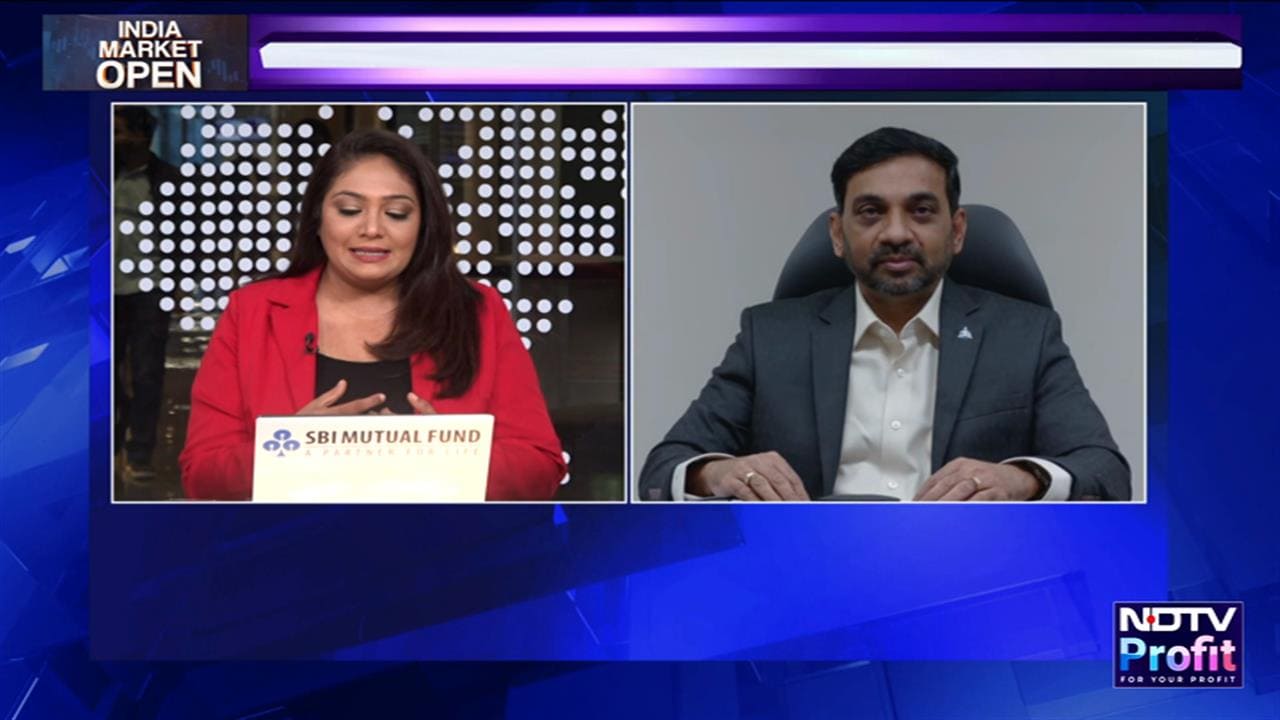
Air Asia's former Chief Financial Officer Vijay Gopalan has said the Indian aviation industry had "structural issues" that are impacting their profitability.
"Now is probably a great time to streamline and ensure that it is cost-competitive. And, therefore, investors are not afraid to enter this industry," Gopalan, who is the CFO of rare earth mineral company Entellus, said in a video shared on X. "It's high time that we make structural changes and not make quick fixes."
He added that half of the expenses borne by airlines were due to fuel costs. These, in turn, were influenced by state taxes that had varying costs that affected overall costs that firms had to bear. The former airline executive argued for fuel tax rationalisation.
Air Asia CFO Vijay Gopalan explains, why airline business is not profitable in India. #IndiGoCrisis pic.twitter.com/rCNzlNKxlu
December 10, 2025Gopalan added that 50% of the cost was governed by air turbine fuel, which is the fuel cost. "The taxes are not governed by GST. It is governed by the state governments' taxes. And in some states, the taxes on the fuel are as high as 30%. It's not going to be structurally profitable. We need to rationalise the cost," he added.
He said that 75% of the expenses were paid in US dollars, and stated that foreign exchange should be maintained to accommodate for this.
"About 75% of my costs are costs that I spend in US dollars. Meaning, my fuel cost is benchmarked to the Brent Index, which is a dollar-denominated one. My aircraft leases are paid for in dollars. My maintenance costs are paid for in dollars," tje Air Asia's former CFO said. "So, when you have all these things in dollars, foreign exchange should be maintained."
With the rupee falling in value to Rs 90 per dollar, Gopalan noted that this would also increase costs for airlines as payments they make in rupees would be higher.
"Today, we are speaking about rupee being at 90 to a dollar. So, if my payout is 100 dollars for aircraft lease rentals. Two years back, I ended up paying Rs 8,000. Today, I end up paying Rs 9,000 for the same aircraft. So, this is the second biggest issue. Because most of our costs are dollar-denominated," Gopalan said.
Gopalan also noted that obtaining aircrafts for Indian airlines is a difficult task due to high leasing costs.
"It's not as if you can go and shop for an aircraft and come. Aircraft should be available. There is a lead time in placing the orders. And a lot of lessors believe that India is a risky market, given that a lot of airlines have folded. So, it makes the leasing cost inherently high. So, the cost structure is very, very uncompetitive in India," he stated.
Other factors he named included difficulty in obtaining aircraft slots for takeoff and landing.
"We still haven't come to slots-related issues. In Chennai, the slots are full. And we may not even have slots to connect to major cities. There are a whole lot of these structural issues," Gopalan said.
He also stressed the importance of improving training facilities for pilot personnel.
"Our training facilities, for instance, need to be approved by DGCA. And the current approved list may not be sufficient to cater to the ramp-up in the pilot needs," the CFO stated.
Essential Business Intelligence, Continuous LIVE TV, Sharp Market Insights, Practical Personal Finance Advice and Latest Stories — On NDTV Profit.