Anil Ambani Case: Money Laundering Probe Launched Against RHFL, RCFL, ED Tells Rajya Sabha
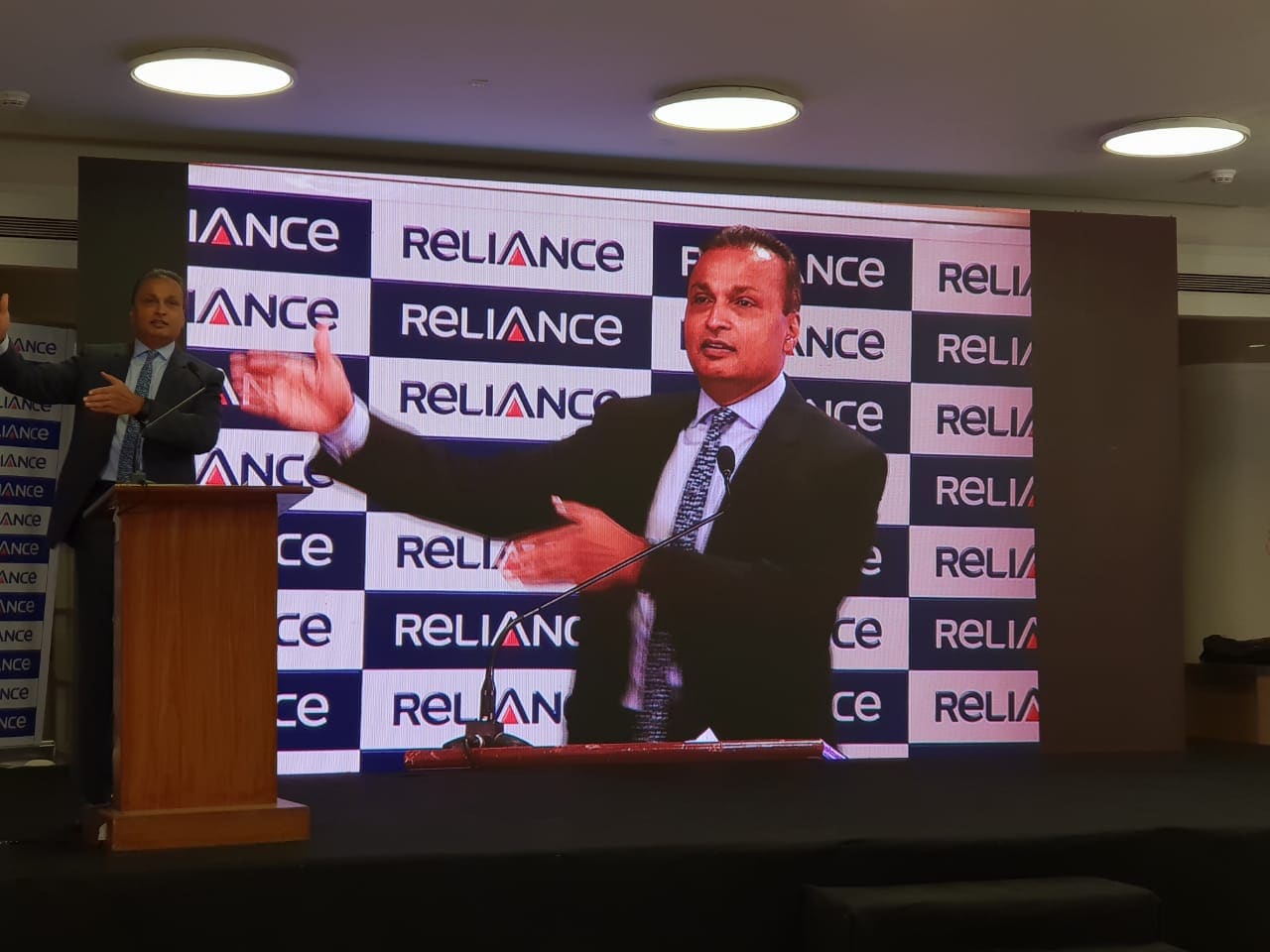
The Enforcement Directorate has informed the Rajya Sabha that it has launched a probe under the Prevention of Money Laundering Act into suspected loan frauds by Reliance Home Finance Ltd. and Reliance Commercial Finance Ltd. The investigation is based on two FIRs filed by the Central Bureau of Investigation.
According to the ED, loans amounting to Rs 12,524 crore were extended by RHFL and RCFL, with the majority disbursed to firms linked to the Reliance Anil Ambani Group. Of this, loans worth Rs 6,931 crore have been declared non-performing assets.
Preliminary findings suggest the funds were routed back to other companies within the Reliance group, raising concerns of "circular lending." Yes Bank's Rana Kapoor played a key role in sanctioning these loans, the ED said, adding that his family-linked firms RAB Enterprises, Imagine Estates, and Bliss House also received credit facilities.
An audit by Grant Thornton has flagged significant fund diversion and violations of lending policies. So far, the ED has conducted searches across 60 companies and 22 individuals, with the probe currently underway.
In June this year, the State Bank of India declared Reliance Communications and its promoter Anil Ambani's account as 'fraud', notifying the Reserve Bank of India and filing a complaint with the CBI. Investigators have since seized documents and digital records from group offices in Mumbai and Delhi as part of a wider probe into suspected misuse of public funds through a network of shell companies.
Earlier, the Securities and Exchange Board of India had barred Anil Ambani and several senior group executives from the securities markets for five years and imposed a monetary penalty for alleged diversion of funds from Reliance Home Finance.

-
We May Need Another Tukaram Mundhe To Fight Air Pollution | The Reason Why

Developers may install basic measures such as sprinklers and green nets, resume work, and continue violating rules when this equipment stops working.
-
Extracting Value From Battery Scrap Could Be Challenging For India | The Reason Why
A discarded lithium-ion battery still contains valuable materials such as lithium, nickel and cobalt. These can be recovered and reused. When such batteries are crushed and shredded, they produce a dark powder called black mass.
-
One El Nino, India Can Handle. Two Could Break The Granary
India's grain stocks can absorb one bad year, but a second El Nino could drain the buffer in two to three years, economists say.
-
India's Troika Of Good Luck | Joining The Dots
As Jensen Huang's exit drags Nvidia down, a cooling AI trade and resilient earnings have revived investor interest in India. A likely RBI rate hike looms.
-
Talking Points This Week: Leadership Shock At Nvidia, Earnings Strength, And The Fog Over Hormuz
The Anthropic IPO pricing and first trading day, Nvidia's upcoming earnings, and any fresh signals from Iran will set the tone for the following week.
-
Signature Play: The Classic Cocktail Is Dead. Or Is It?
Classic cocktails are disappearing from India's cocktail menus. But they're still being ordered, taught to bartenders and borrowed from. So, who's really having the last drink?
-
A New Samvat Wishlist: Inclusive Prosperity And Human Development
India has strengthened its economic foundations through infrastructure, digital access and enterprise. Its next growth chapter must deepen productivity, create better livelihoods and widen participation in prosperity.
-
Love, Sex Aur Dhokha: The Audacious Plot To Spy On Jensen Huang
A Taipei dinner, a Singapore chip buyer and a suspected Chinese asset: inside the alleged spy operation that got close to NVIDIA's Jensen Huang.
-
Ten Things I Learnt This Samvat
Patience can be a trap. Cheap stocks can stay cheap. Leverage can wipe you out. What did Samvat 2082 teach us? Niraj Shah writes on 10 lessons from the year gone by.
-
Talking Points This Week: Tech Nerves, FII Buying, And A Faraway Banking Shock
The global markets are not shining this Diwali. The exception in the large markets is, India.









